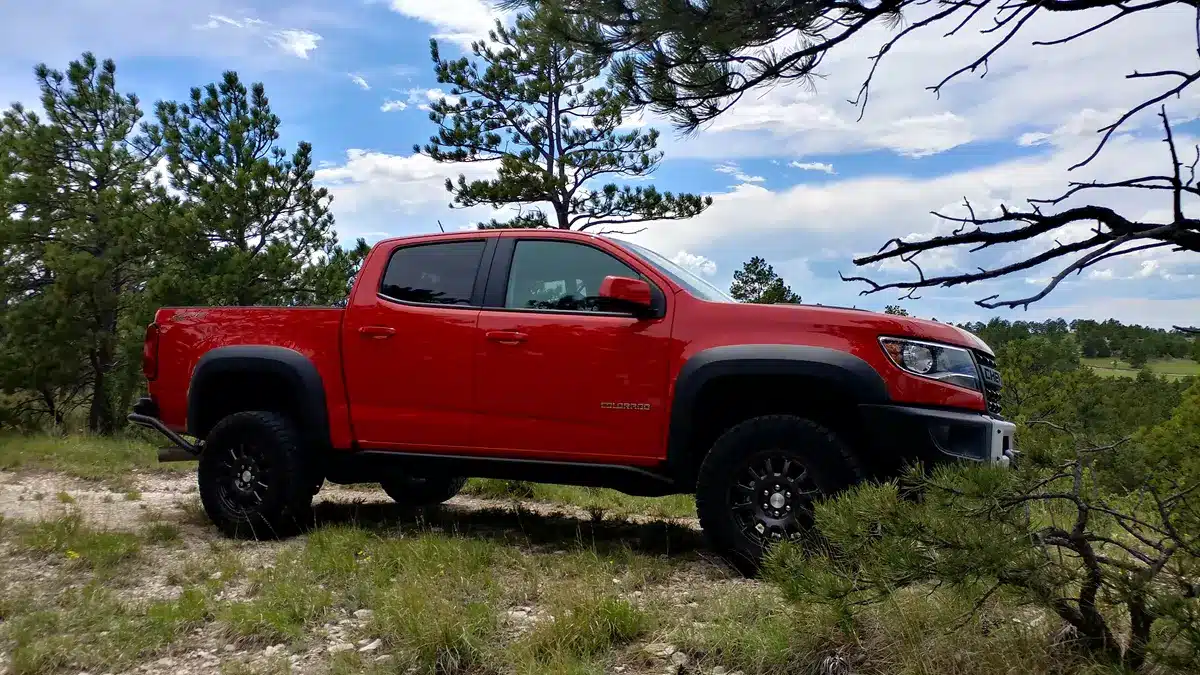
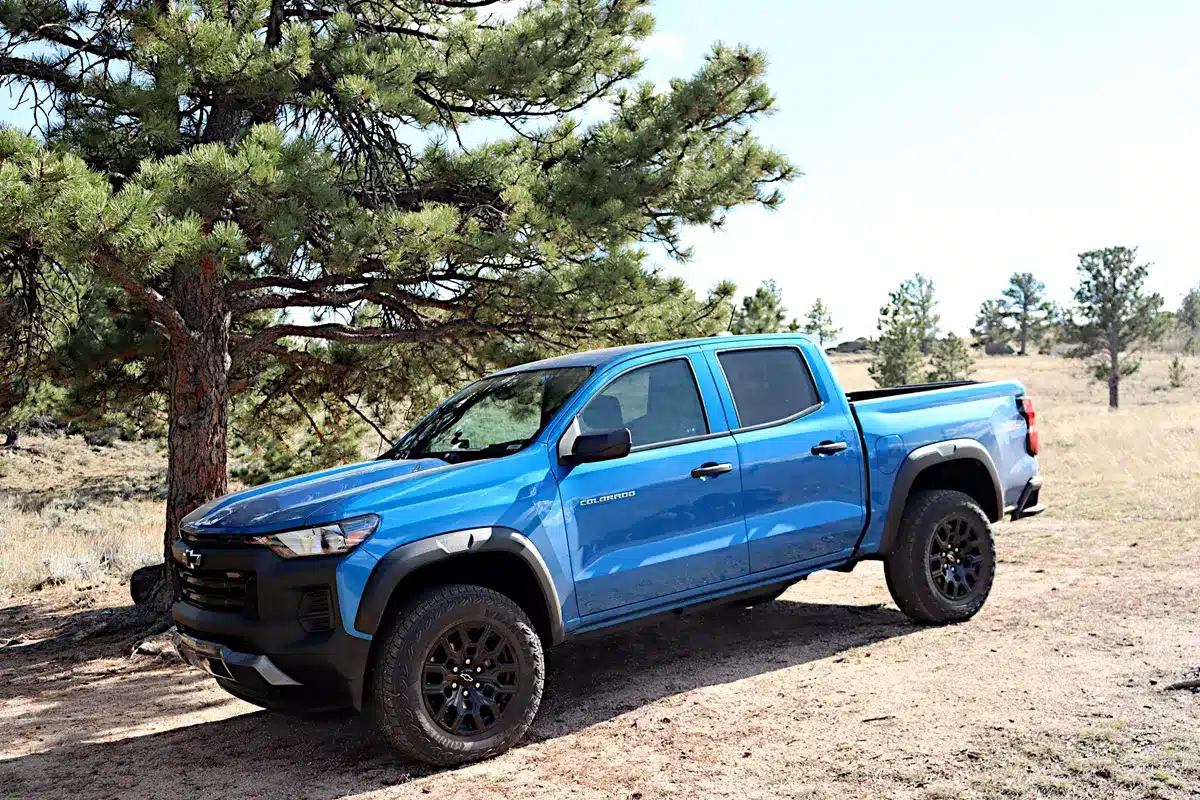
The Chevrolet Colorado returned to the U.S. market for the 2015 model year with its second generation. The current, third-generation truck arrived for 2023, bringing a different engine lineup.
The second-generation Colorado offered a 2.5-liter four-cylinder and a 3.6-liter V-6, with a 2.8-liter Duramax diesel joining for 2016. The 2023 redesign switched to turbocharged 2.7-liter four-cylinder engines. Here is how those choices differ and what to check before buying.
2.5-liter LCV four-cylinder: 2015–2022
The 2.5-liter LCV four-cylinder was the entry-level engine for 2015–2022. It suits buyers who prioritize basic transportation over maximum towing performance. Check the specific truck’s tow rating rather than assuming all Colorados have the same capability.
On a used example, review oil-change records and have a technician inspect for leaks, abnormal timing-chain noise and stored trouble codes. Oil consumption or a variable valve timing fault needs diagnosis; neither should be dismissed as normal simply because a truck has high mileage.
3.6-liter LFX and LGZ V-6: 2015–2022
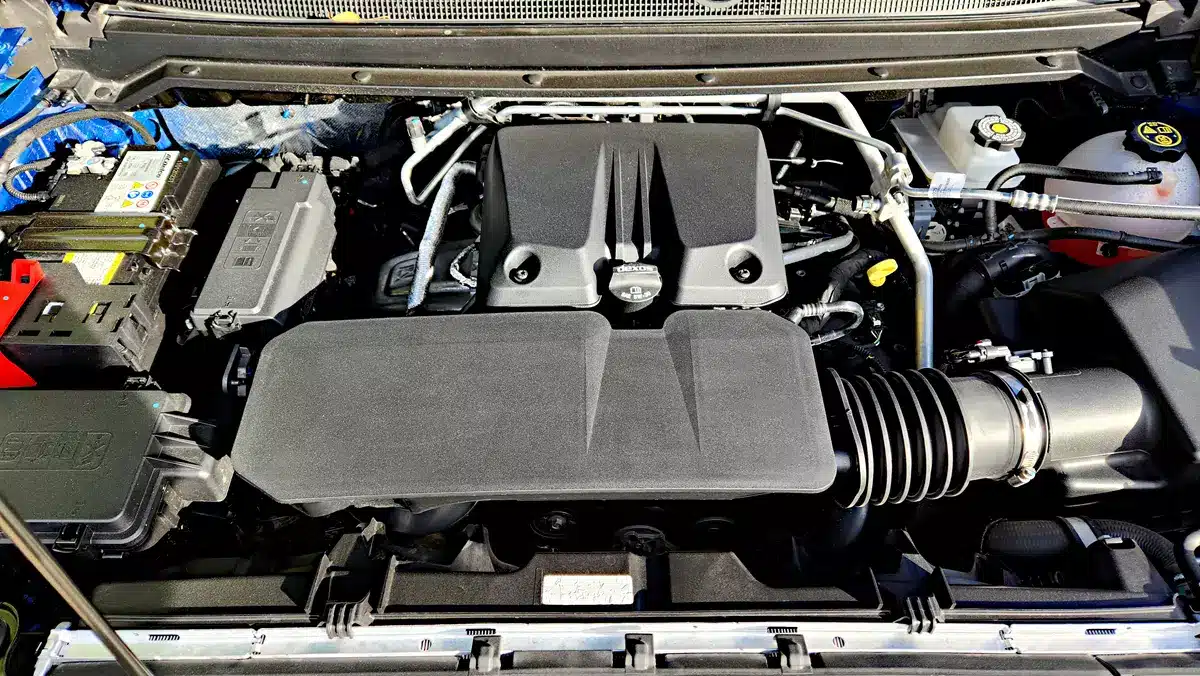
There are two 3.6-liter V-6 versions to distinguish: the LFX in 2015–2016 trucks and the LGZ introduced for 2017 and used through 2022. The later engine was paired with an eight-speed automatic. Treating every second-generation V-6 as an LFX overlooks that change.
A V-6 can be a practical used-truck choice, but condition matters more than the badge. Review maintenance records, listen for unusual startup noise and check for oil loss or drivability problems. Evaluate transmission operation separately from engine condition during a test drive.
2.8-liter LWN Duramax diesel: 2016–2022
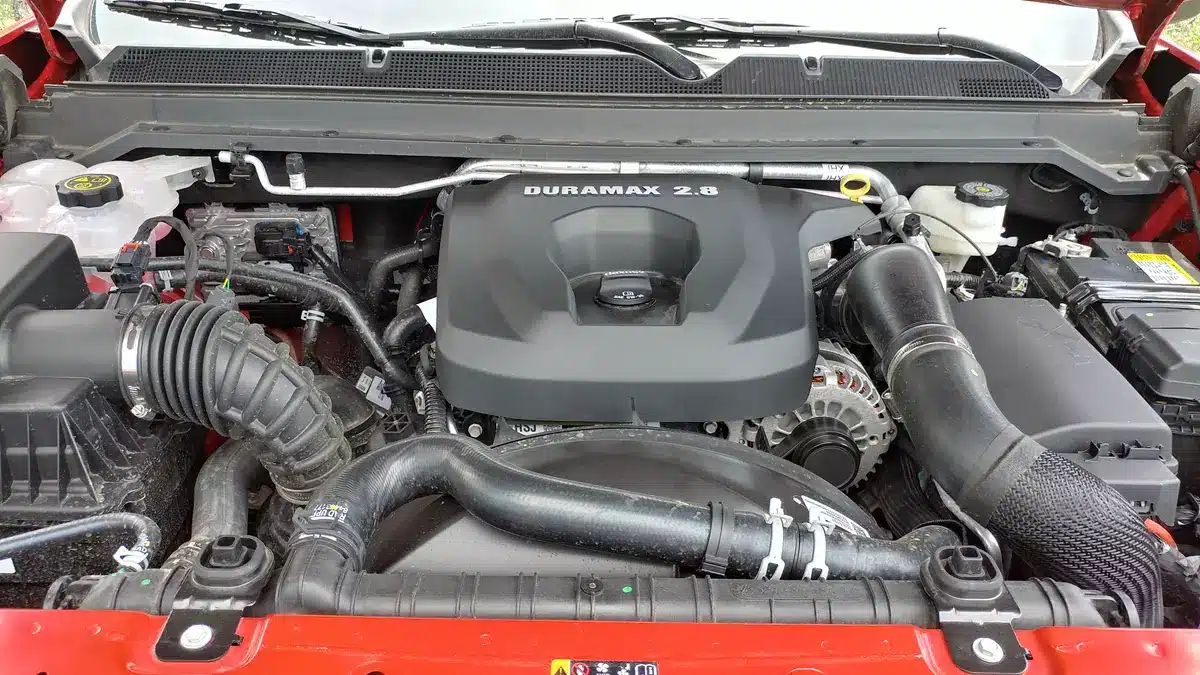
The 2.8-liter LWN Duramax turbodiesel was available for 2016–2022. Its low-speed torque makes it an appealing option for buyers who tow, provided the truck’s configuration meets the trailer’s requirements.
Diesel ownership also brings emissions-system maintenance and repair considerations. Before buying, check for warning lights, incomplete repairs and evidence of emissions-system tampering. Ask a Chevrolet dealer about any VIN-specific coverage or campaigns instead of assuming a warranty extension applies to every diesel Colorado.
2.7-liter L2R turbo four-cylinder: 2023–2024
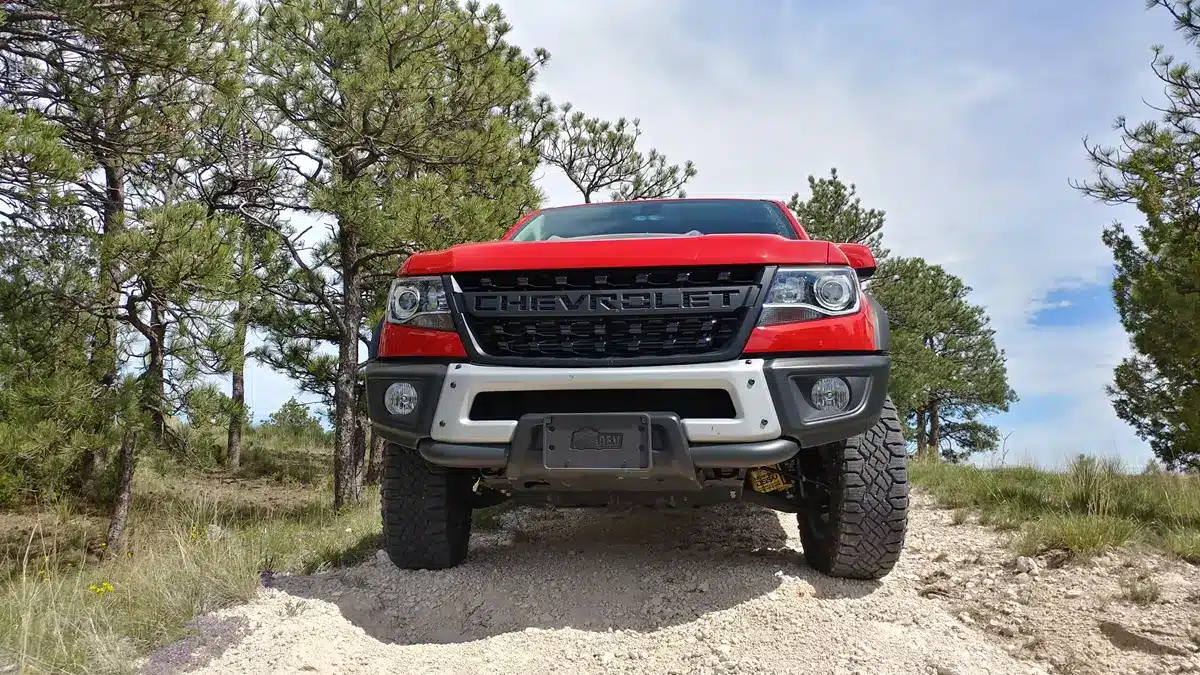
The 237-hp L2R was the Colorado’s lower-output 2.7-liter turbo engine for 2023–2024. It was not the engine offered in the redesigned GMC Canyon, which used the higher-output version. The L2R left the Colorado lineup for 2025.
GM service update N232411311 addressed an engine-control calibration issue affecting fuel-injector flow-rate programming on certain 2023 trucks with the L2R or L3B. The remedy was a software update. A service update should not be described as a safety recall.
Check whether the applicable update was completed. The campaign does not establish that mechanical defects caused GM to discontinue the lower-output engine, and it does not provide a failure rate for the L2R.
2.7-liter L3B turbo four-cylinder: 2023–2026
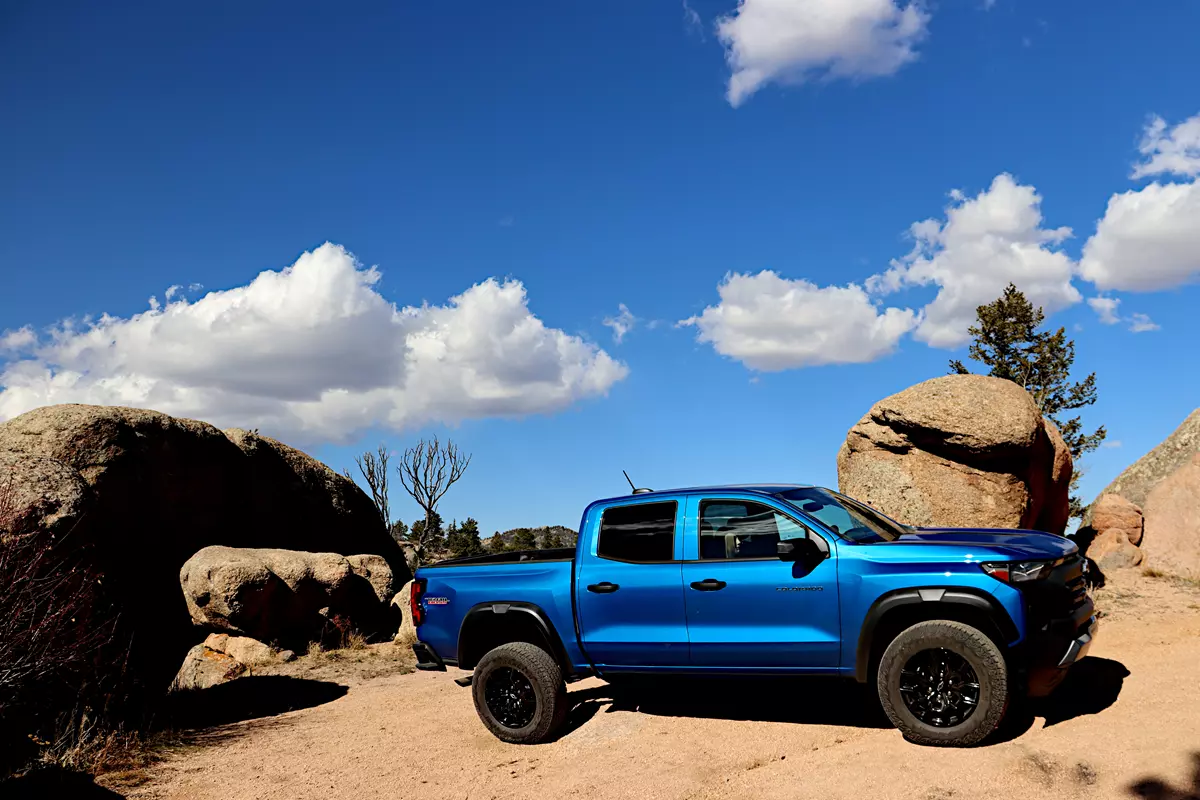
The L3B is the higher-output 2.7-liter turbo four-cylinder. For 2025–2026, the Colorado uses the 310-hp TurboMax version with 430 pound-feet of torque across the lineup.
The L3B was also included in the 2023 fuel-injector calibration service update described above. A dealer can check a truck’s repair history and current campaigns by VIN.
A technical service bulletin describes a particular condition and repair procedure; it does not mean every engine will experience the problem. For a truck with rough running, warning lights or abnormal noises, request a documented diagnosis rather than assuming a software update will fix it.
The current Colorado has less long-term ownership history than the 2015–2022 generation. That makes broad claims about its eventual durability premature.
Which Engine Is Most Reliable In the Colorado?
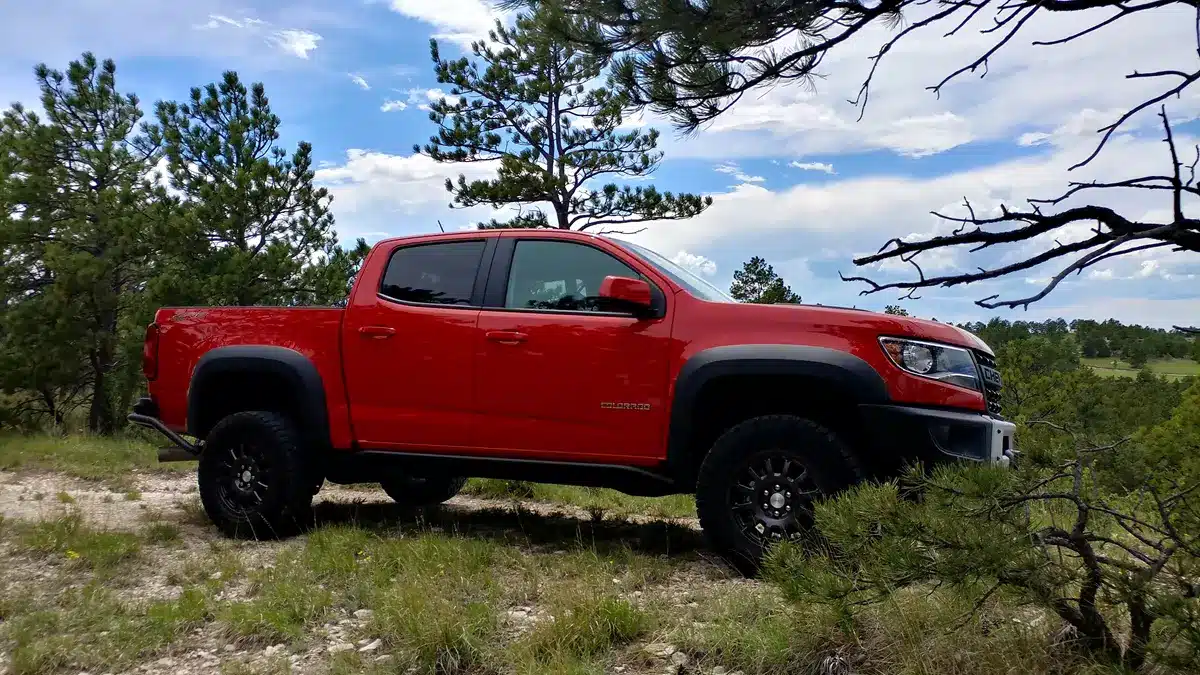
There is not enough comparable failure-rate data here to declare one Colorado engine the most reliable. The second-generation gasoline engines offer a longer ownership track record, while the diesel and newer turbo four-cylinder bring different capabilities and maintenance considerations.
For a used purchase, I would start with a well-maintained second-generation gasoline truck that fits the intended workload. That is a buying preference, not proof that these engines are trouble-free. A neglected example can be a worse purchase than a carefully maintained truck with a different engine.
Should You Buy One?
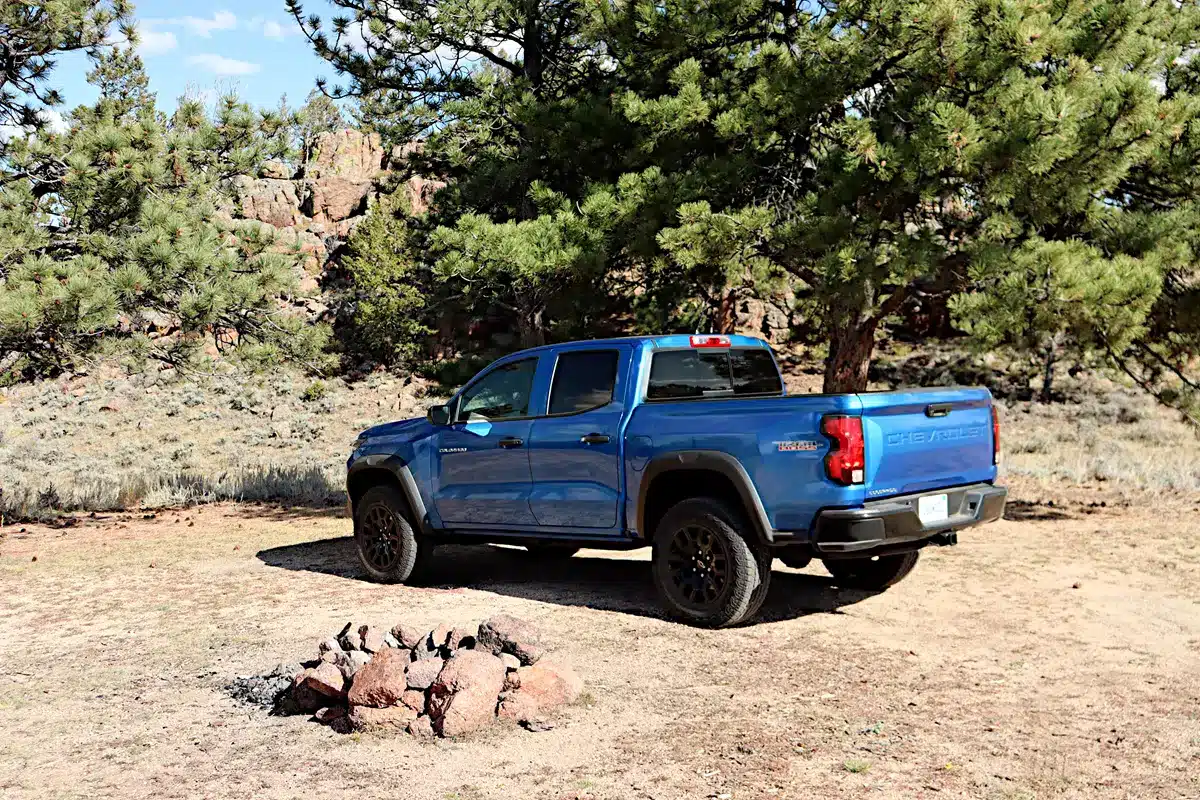
The Colorado is worth considering, but an engine comparison is only part of the decision. Check transmission behavior, electronics, brakes, recall completion and overall condition. A pre-purchase inspection can uncover expenses that an engine reputation alone will not reveal.
Put service history, inspection results and the asking price ahead of a blanket “best” or “worst” label. A well-maintained used Colorado can make sense when its condition and capabilities match your needs.