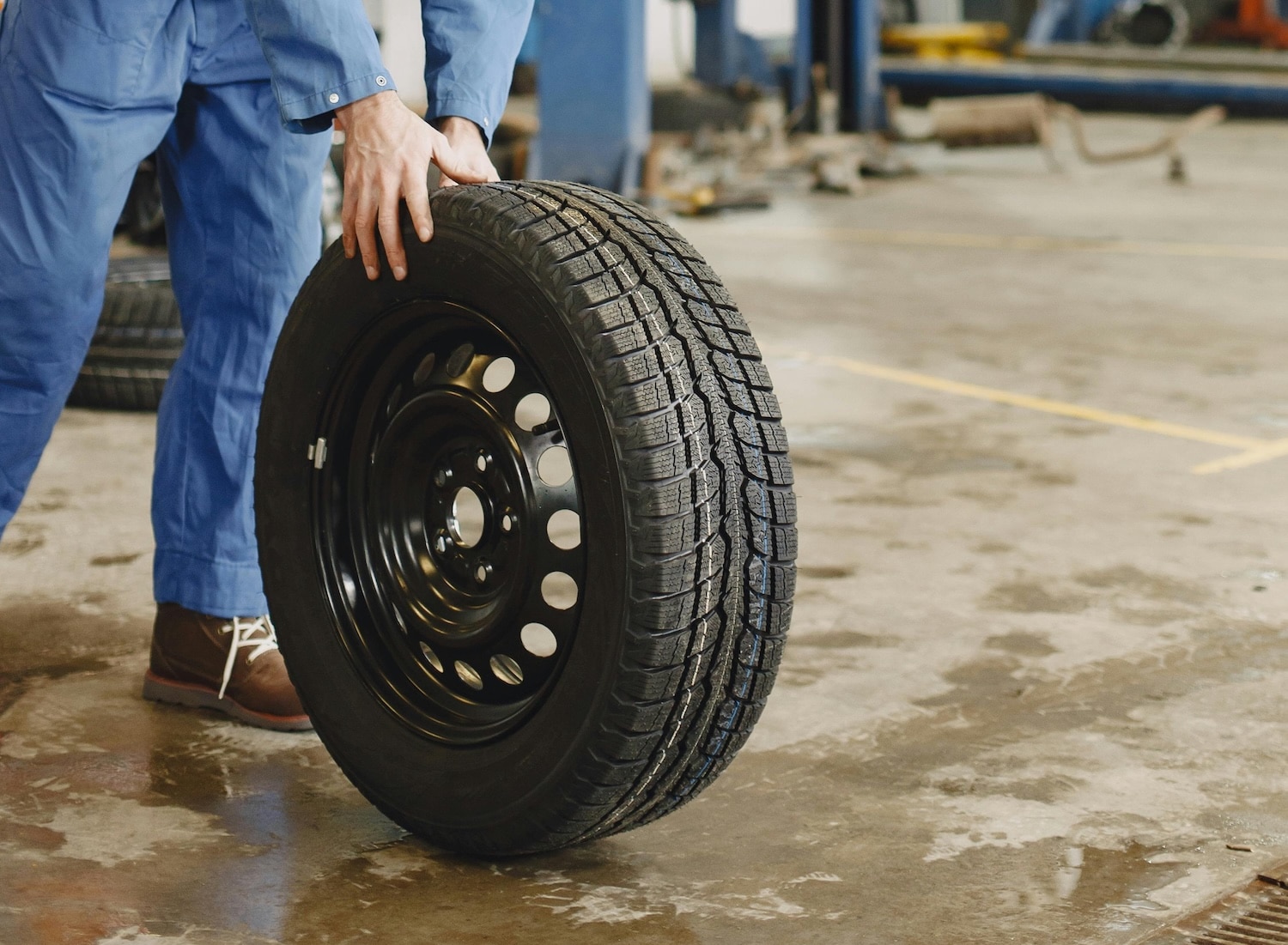
If you saw a headline this week screaming that California is “banning” your tires, take a breath. It’s not that simple, but it’s not nothing, either. On August 18, the California Energy Commission unanimously approved the country’s first-ever efficiency standards for replacement tires. Don’t panic just yet! Nobody’s coming to pull the rubber off your truck. But these new rules will change what you can buy, what you’ll pay, and how many choices are hanging on the wall at the shop down the road.
Here’s the plain language version, and what you actually need to know about the California tire ban before your next set.
What the California Tire Rules Actually Say

The program doesn’t regulate how you drive or what you can legally own for your truck. It regulates what stores are allowed to sell you. The roll out is starts in 2029 and once the rule kicks in, replacement tires sold in California will have to meet minimum “rolling resistance” targets; basically, how much energy your tires burn off just rolling down the highway. Lower rolling resistance means better fuel economy, or more range if you drive electric.
Sacramento’s pitch is straightforward: the tires that come on a brand-new truck are typically quite efficient, but when you replace them, you often end up with something thirstier without even realizing it. The state wants your replacement tires to be roughly as efficient, on average, as the ones the truck rolled off the lot with. They’re also rolling out a “leaf” rating label, one to four leaves, so you can spot the efficient options at a glance.
The Commission claims this saves you money at the pump: somewhere around $85 to $150 in fuel over the life of a set, and close to $1 billion a year statewide once it’s fully phased in. Chairman David Hochschild framed it as consumer protection, saying the goal is “sheltering the public from higher costs in the long run.”
That’s the sales pitch. Now the fine print.
Timeline: Stock Up Now!

This isn’t happening immediately The rules phase in over several years:
Phase 1 (2029): Targets the least efficient tires on the market today. The worst offenders get squeezed out first.
Phase 2 (2033): Tightens the screws further, with stricter thresholds that a lot more tires will have to meet.
So if you’re buying tires today, nothing changes. The real question is what the shelves look like as the next decade rolls around.
What’s Exempt (the Important Part)

Before you panic about your mud tires or your snow setup, know that the state carved out a long list of exemptions. If you buy any of these, the rules don’t apply:
- Winter and snow tires
- Competition and track/motorsport tires
- Deep-tread off-road tires
- Used and retreaded tires
- Motorcycle, ATV, and off-road-vehicle tires
- Temporary spares and space-savers
- Small tires (13-inch rims and under)
- Low-volume specialty tires and heavy-duty/emergency-vehicle tires
For most guys running a daily-driver half-ton or a commuter on regular all-season tires, that everyday street tire is the category the rule is really aimed at. If you’re a weekend wheeler or you swap to a dedicated off-road or winter setup, your go-to tires are likely untouched (i.e. your Bro-dozer is safe!). The catch: a lot of working trucks ride on standard highway all-seasons every single day, and that’s exactly the tire in the crosshairs.
What They Don’t Put in the Press Release

Here’s where working folks should keep their eyes open, because the savings story has a second half.
Yes, the state projects fuel savings. But those savings assume you keep a set of tires for its full life and that gas stays expensive. The upfront cost is a different conversation. The Commission’s own estimates say the rules add roughly $6 to $26 to the price of a set. Sounds small, but that’s an average, and averages hide the outliers.
Tire maker Goodyear warned that by 2033, the stricter standards could knock out about 70% of the tires currently sold in California. Read that again. Even if the survivors are more efficient, a market with a fraction of today’s options is a market where prices don’t tend to fall. When choices shrink, the cheap end of the shelf usually disappears first, and the cheap end is exactly where a lot of working families shop.
SEMA, the trade group that represents the aftermarket and enthusiast world, put it bluntly. Their government-affairs rep Christian Robinson pointed out that efficiency-focused tires are “broadly more expensive than the typical tire you find on the marketplace today,” floating figures as high as $365 for a single tire in some cases, and warned about “undue burdens on working-class families.” On a truck, remember, you’re buying four or five of those at a time.
Not everyone in the industry is against it. Michelin actually endorsed the standards, calling the targets “technically feasible.” That’s worth noting, but it’s also worth remembering that the companies best positioned to build premium efficient tires have the least to lose when the budget options get regulated off the shelf.
The Bottom Line

Strip away the politics, and here’s what the California tire rules mean for your driveway:
1. Nothing changes right now. Buy now to prevents tears later. The first real deadline is 2029, and the big one is 2033.
2. Your specialty tires are probably safe. Winter, off-road, track, trailer, and used tires are exempt. This rule is aimed squarely at everyday passenger and light-truck tires.
3. Watch the price of your daily-driver tires. That’s where the squeeze lands, the standard highway all-seasons your work truck lives on. That’s the category getting regulated, and that’s where fewer choices could mean a higher floor on price.
4. Learn the leaf label. When it shows up, use it. More leaves means better mileage, which is a real, if modest, savings if you keep your tires for the long haul.
5. Efficiency isn’t the whole story. A fuel-sipping tire that wears out faster, costs more up front, or won’t grip in the rain or hold up under a loaded trailer isn’t automatically a “win.” Rolling resistance is one number on the box. Tread life, wet traction, towing capability, road noise, and price still matter, arguably more, for anybody who actually works their truck.
6. If you live near a state line, you’ll have options. These rules govern California sales. Plenty of drivers near Nevada, Arizona, and Oregon already cross over for big purchases, and tires may join that list.
California likes to be first, and where it goes, other states often follow, so even if you’re reading this from Texas or Ohio, keep an ear to the ground. Nobody’s banning your tires. But the folks in Sacramento just decided which ones the shop is allowed to sell you, and for truck owners buying four or five at a crack, that’s a change worth watching with your wallet in hand.