The Department of Justice has dropped its civil lawsuit against EZ Lynk, ending a five-year legal fight over whether the company’s diesel tuning platform violated the Clean Air Act.
The dismissal also ends the federal government’s controversial effort to obtain personal information belonging to potentially hundreds of thousands of EZ Lynk customers.
According to federal court records, attorneys for the government and EZ Lynk submitted a joint filing to dismiss the case on July 10, 2026. The case is listed as terminated.
EZ Lynk publicly announced the outcome on July 28, calling it a victory for drivers, customer privacy and the right-to-repair movement.
DOJ Accused EZ Lynk of Selling a Defeat Device

The DOJ originally filed its lawsuit against EZ Lynk, its owners and a related company in March 2021.
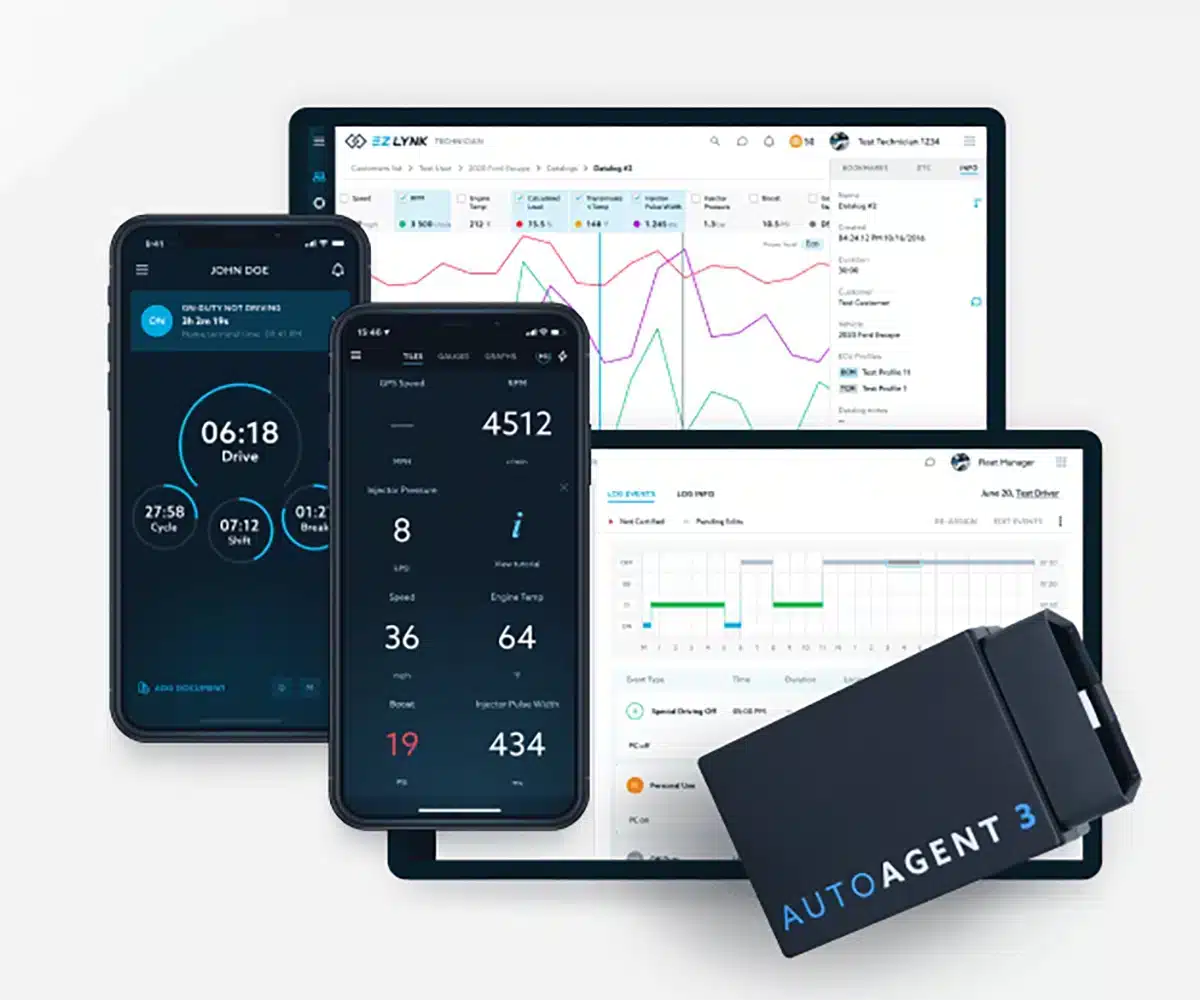
Federal attorneys alleged the EZ Lynk System, which combines an OBD-II-connected Auto Agent device, smartphone application and cloud-based software platform, qualified as an illegal emissions defeat device.
Owners and technicians can use the platform to diagnose vehicles and remotely install engine or transmission software commonly called “tunes.” Some third-party tuners allegedly used the platform to distribute software that disabled diesel emissions equipment.
EZ Lynk maintained it operated an open technology platform with numerous legitimate diagnostic, repair and vehicle-management uses.
A federal district court dismissed the government’s main claim in 2024, finding EZ Lynk was protected under Section 230 of the Communications Decency Act because third-party technicians created the tuning software.
However, the Second Circuit Court of Appeals overturned that decision in August 2025. The appeals court ruled the government’s complaint sufficiently alleged EZ Lynk had directly and materially contributed to the creation of some delete tunes.
That decision sent the case back to the district court for further proceedings. It did not determine that EZ Lynk had violated the Clean Air Act.
Government Sought EZ Lynk Customer Data

The legal fight took another controversial turn earlier this year when the government sought information about EZ Lynk customers.
As we reported in May, federal investigators demanded records from Apple, Google, Amazon and Walmart.
Those demands reportedly included names, addresses, phone numbers and purchase information tied to people who downloaded the EZ Lynk app or purchased its hardware. The requests could have exposed the identities of more than 100,000 users, including owners who never used the platform to disable emissions equipment.
EZ Lynk’s attorneys argued identifying every customer went far beyond what the government needed to investigate its claims and created serious privacy concerns.
The company now says it resisted that effort successfully.
“During the suit, the government attempted to force EZ Lynk to identify all its users, a gross overreach that EZ Lynk fought in court and won,” the company said in its July 28 announcement.
It is important to note this statement comes from EZ Lynk. The broader lawsuit was dismissed through a joint filing, rather than a trial verdict finding the government’s underlying allegations were false.
EZ Lynk Calls Dismissal a Right-to-Repair Victory
EZ Lynk is framing the outcome as more than a win for one automotive technology company.
The company argues modern vehicle owners and independent repair shops need access to advanced diagnostic tools as vehicles become increasingly dependent on proprietary software.
EZ Lynk co-founder and CEO Brad Gintz said his interest in the issue began while growing up around his family’s automotive repair shop, where access to advanced vehicle diagnostics was often restricted.
The company says its technology allows owners and independent technicians to diagnose problems, install manufacturer software updates and manage commercial vehicles without relying entirely on dealerships.
However, the dismissal does not make diesel emissions deletes legal.
Federal law still prohibits knowingly removing or disabling emissions-control equipment on vehicles operated on public roads. The DOJ’s decision only ends this particular civil case against EZ Lynk and its owners.
The Bottom Line
The EZ Lynk lawsuit is over, and the company will not have to defend its platform at trial against the government’s Clean Air Act allegations.
For diesel truck owners, the most immediate result is that the federal effort to collect personal information about a massive number of EZ Lynk users has also ended with the case.
The dismissal is nevertheless narrower than EZ Lynk’s right-to-repair framing might suggest. It does not establish a nationwide legal right to install emissions-delete software, nor does it overturn existing Clean Air Act restrictions.
What it does establish is that the federal government has chosen to walk away from one of its most prominent civil cases targeting a cloud-based diesel tuning platform.