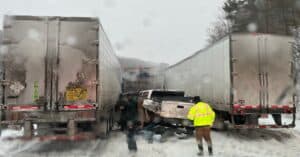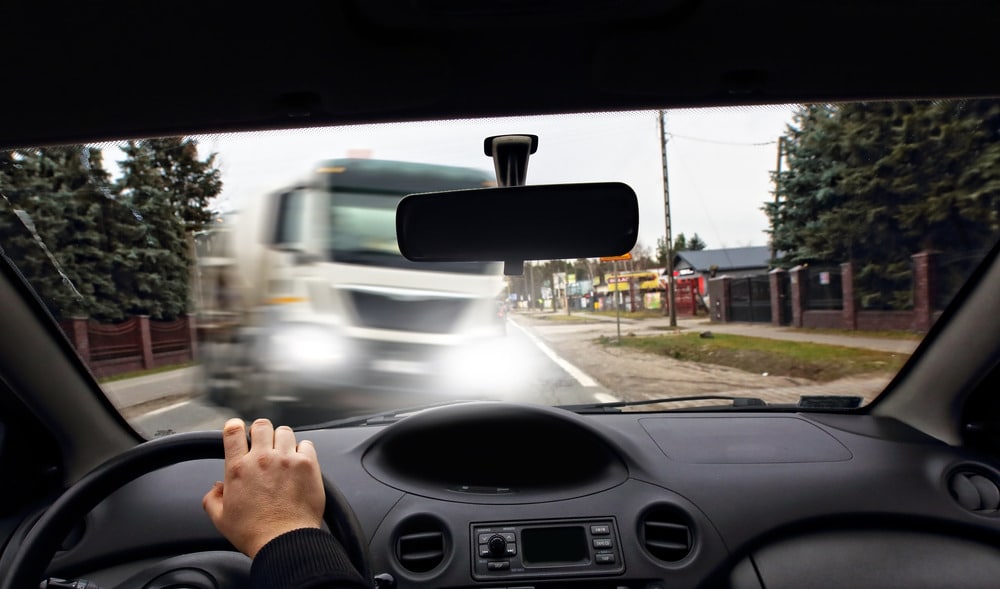
A truck on a highway represents more than a driver behind the wheel. It connects a chain of businesses that prepare, manage, load, and maintain that vehicle before it reaches the road. A single decision made by any part of this chain can affect safety. Looking at evidence after a truck accident often means looking beyond the crash itself and finding the actions that shaped what happened.
Truck accident responsibility is rarely limited to one person, and this article explores how different businesses may become part of the investigation. The process involves many details that are often hidden from view.
A Commercial Truck Is Part of a Larger Business Network
Commercial trucking works through a network of companies, not just one driver and one vehicle. A trucking company may hire drivers, a shipping company may arrange cargo, and another business may handle repairs. Each role creates responsibilities that can affect how safely a truck operates.
A crash involving a large truck may involve questions about several parts of the operation. The driver’s actions matter, but the full picture can include decisions made before the truck started its trip. Reviewing these connections helps reveal whether other businesses played a part in creating unsafe conditions.
Common Businesses That May Be Connected to a Truck’s Journey
Several businesses can have a connection to a commercial truck before a collision occurs. These may include:
- Trucking companies that manage drivers, schedules, and safety rules.
- Cargo companies that load and secure goods inside the trailer.
- Maintenance providers that inspect and repair trucks.
- Leasing companies that own vehicles used for transportation.
- Manufacturers that produce parts or equipment used on the truck.
Each company has a different role. A careful review of those roles can help create a clearer picture of how an accident developed.
Responsibility Depends on Each Company’s Actions Before the Crash
Truck accidents are often examined by looking at what happened before the collision. A company decision made days, weeks, or months earlier may become part of the review if it affected safety.
For example, a truck may have problems linked to poor maintenance, improper cargo loading, or missed inspections. A company may also face questions about driver training, work schedules, or safety procedures. These factors do not automatically decide responsibility, but they can become important areas of review.
The focus is usually on actions and decisions connected to the crash. A complete investigation looks at records, company practices, and other details that may explain why the accident happened.
Why Identifying Every Responsible Business Can Change the Direction of a Claim
Finding every business connected to a truck accident can provide a more complete view of the situation. A crash may not happen because of one single mistake. Several smaller issues can sometimes combine and create unsafe conditions.
For example, a vehicle problem may involve a maintenance company, while a cargo issue may involve another business. A trucking company’s decisions may also need to be reviewed. Looking at the entire chain helps avoid focusing only on the person driving the truck.
The goal is not to blame every company involved in transportation. The goal is to understand each role and determine whether any action or failure contributed to the accident.
Building the Full Picture Takes More Than the Police Report
A police report can provide important details, but it may not include every factor connected to a commercial truck crash. Truck accident investigations often require looking at different sources of information.
Records that may be reviewed can include:
- Driver logs and electronic tracking information.
- Maintenance and inspection documents.
- Cargo loading records.
- Company safety policies.
- Communication records related to the trip.
This type of information can show what happened before the crash and how different businesses were involved. The evidence may come from many places, and each detail can help explain the events leading to the collision.
Conclusion
Truck accidents are often more complex than they appear from the outside. A vehicle on the road may represent the work of drivers, companies, contractors, and service providers, all connected through one transportation process. Determining responsibility requires looking at the full picture rather than only the crash itself. Strong investigations examine the decisions, records, and actions of everyone involved. The evidence after a truck accident can help reveal how each business contributed to the circumstances surrounding the collision.
Careful review of every connection can prevent important details from being overlooked. A complete understanding of the situation comes from examining the entire chain of events, not just the final outcome on the road. This approach helps create a clearer view of the factors involved in accident cases.