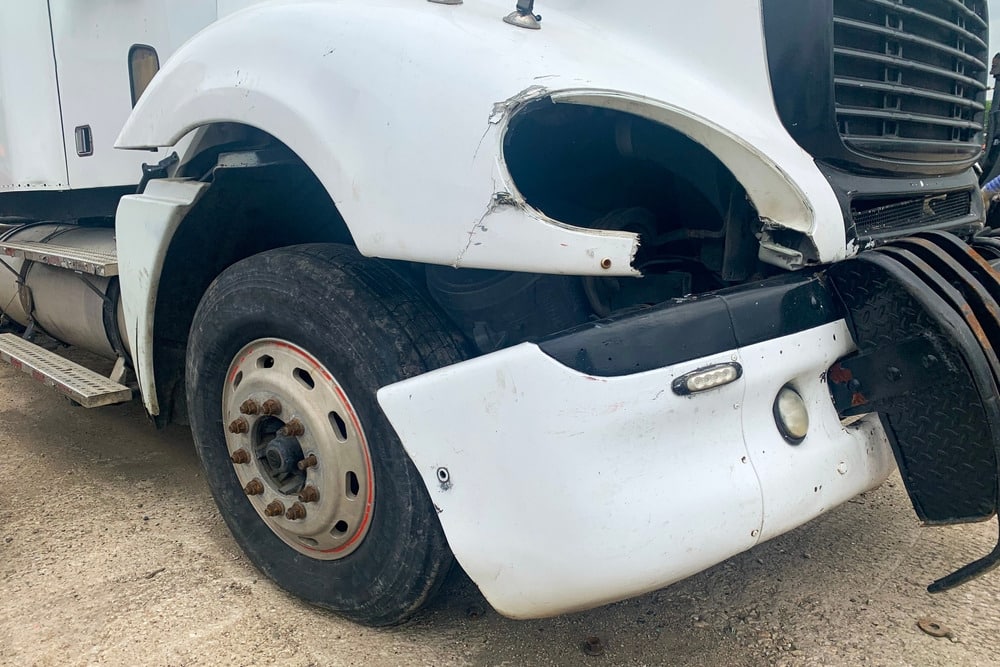
Truck accident cases are rarely decided by what people remember after a crash. They are often shaped by the proof left behind, some of which can disappear much faster than most people expect. A damaged road can be repaired, a truck can be moved, and digital records can be erased if they are not preserved in time. That is why evidence carries so much weight in serious truck accident claims.
An experienced truck accident lawyer understands that every document, recording, and report can help uncover what truly happened. Strong evidence often becomes the foundation that holds the entire case together.
Truck Accident Cases Are Built on More Than the Collision
A truck accident may look simple at first, but the facts behind it are often much more detailed. Commercial trucks operate under different rules than passenger vehicles, and several businesses may be connected to a single truck. Because of this, finding out what caused the crash usually requires much more than looking at the damaged vehicles.
Evidence helps explain events that cannot be seen by standing at the accident scene. Records can show how long the driver had been on the road, whether the truck received proper maintenance, or if cargo was loaded correctly before the trip began. Small details from different sources often fit together like pieces of a puzzle. Instead of depending only on personal opinions or memories, investigators rely on facts that can be checked and supported by documents and data.
The First Hours After a Truck Crash Can Shape the Entire Case
Physical Evidence Begins to Change Quickly
Evidence at the crash scene never stays the same for long. Emergency crews work to clear the road, damaged vehicles are removed, and weather can wash away marks left on the pavement. Debris that once showed how the collision happened may no longer be available after cleanup begins.
Witnesses also play an important part, but memories naturally fade with time. A person who remembers clear details on the day of the accident may struggle to recall those same facts several weeks later. Nearby businesses may record security footage, yet many systems automatically delete older recordings after a short period. These changes show why collecting information early often makes a real difference.
Digital Records Can Be Just as Time Sensitive
Modern commercial trucks create a large amount of electronic information during every trip. Electronic logging devices record driving hours, while GPS systems track travel routes and truck movements. Some vehicles also contain event data recorders, often called black boxes, that capture important information before and during a collision.
Dash cameras, communication records, and dispatch logs may also provide useful details about the events leading up to the crash. These records can help confirm timelines and support other evidence collected during an investigation. Waiting too long may place some of this information at risk because digital records are not always stored forever.
Looking Beyond the Driver to Find the Full Picture
Truck accident investigations often reach far beyond the person behind the wheel. A trucking company may be responsible for vehicle inspections, maintenance schedules, or driver training. Another business may have loaded the cargo, while a separate company handled repairs before the truck returned to the road.
Useful evidence may include inspection reports, maintenance records, repair invoices, loading documents, hiring files, and company safety policies. Each record helps explain whether every part of the transportation process was handled properly. An experienced truck accident lawyer knows how different pieces of evidence work together and understands that a complete investigation often looks beyond one driver to find the full picture behind a serious collision.
Strong Evidence Supports Every Stage of a Truck Accident Claim
Evidence continues to matter long after the accident scene has been cleared. Insurance companies review documents carefully before making decisions about claims, and clear records can support discussions about fault and damages. Medical reports, repair estimates, photographs, and official investigations all help create a better understanding of what happened.
Some of the most helpful forms of evidence include:
- Police reports and crash scene photographs
- Medical records documenting injuries
- Vehicle inspection and maintenance records
- Electronic logging device and GPS data
- Witness statements and surveillance footage
Each piece supports the others and helps build a more complete picture instead of relying on one source alone.
Conclusion
Truck accident litigation depends on facts that can be verified, reviewed, and connected. Every report, photograph, electronic record, and inspection document adds another layer to the overall picture. Missing evidence can leave important questions unanswered, while preserved evidence can provide a clearer understanding of how the collision occurred.
Protecting information as early as possible helps keep those facts available throughout the legal process. Careful investigation and organized documentation allow every detail to be reviewed with greater confidence. Working with an experienced lawyer can support that process by helping ensure important evidence is identified and preserved before it is lost, giving every serious truck accident claim a stronger factual foundation.