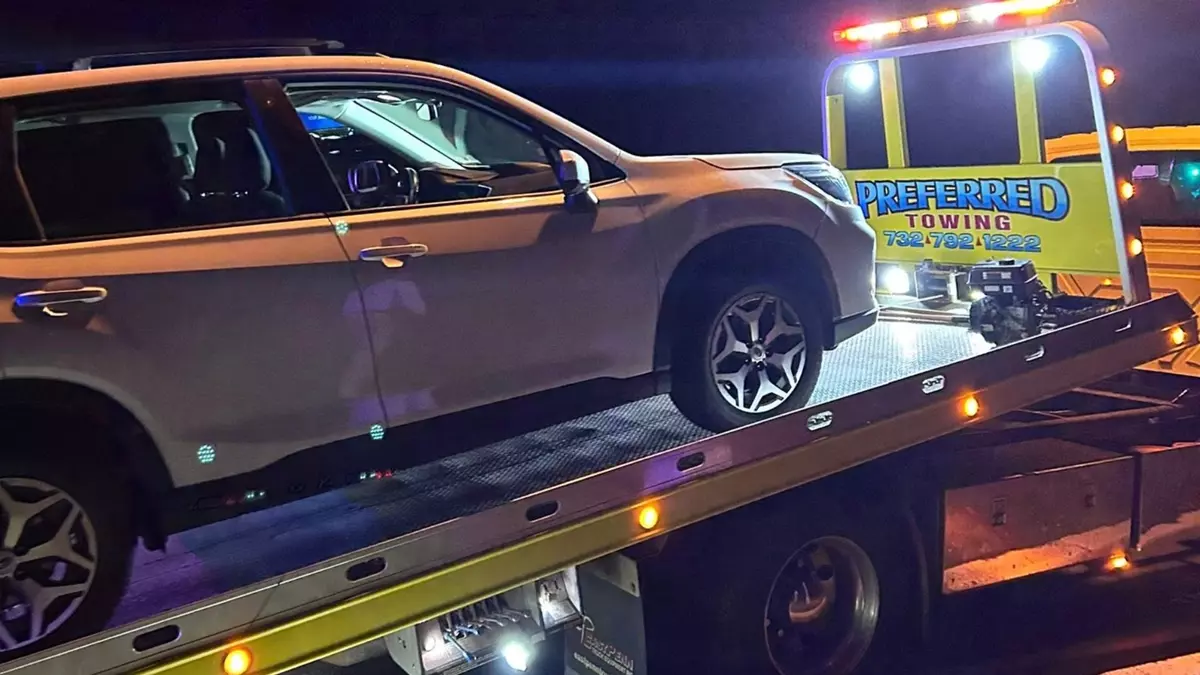
The Subaru Forester has been around since the late 1990s and is currently in its fifth generation as one of the original crossover-SUVs. This Subaru enjoys a reputation for being right-sized and reliable, but that doesn’t mean that the Forester doesn’t have any known problems.
The information presented below was collected from NHTSA.gov complaints, recall information, various Facebook groups and online forums.
Major Recalls for the Subaru Forester

The following major recalls affect Subaru Forester models in the 2019 to 2026 model year range. Starting from newest to oldest.
Fuel Expansion Leak (26V-106): Impacts 2025 Forester Hybrid models. High ambient temperatures can cause fuel expansion, resulting in a leak at the filler neck due to an insufficient seal on the fuel cap. Dealers replace the fuel filler cap gasket.
Moonroof Glass Detachment (26V-346): Affects certain 2026 Forester and Forester Hybrid vehicles. The sliding glass panel of the power moonroof may have been improperly bonded to the frame, creating a hazard if it detaches while driving. Dealers inspect the adhesion and replace the assembly if necessary.
Incorrect Aluminum Alloy Wheels (25V-033): Affects 2025 Foresters equipped with 18-inch aluminum wheels. The wheels have an incorrect lug surface which can compromise attachment, threatening vehicle stability.
Loose Child Seat Anchor Bolts (25V-419): Found on certain 2025 Forester models. Improperly tightened child seat anchor bolts can come loose, increasing injury risks during a crash. Dealers inspect and properly tighten the bolts.
Rear Hatch Support Bracket Failure (25V-889): Re-affecting certain 2026 Forester models. An incorrectly manufactured rear hatch support bracket can detach, causing the tailgate to fall unexpectedly and potentially injure users. Dealers replace the stay and bracket assembly.
Inoperative Inhibitor Switch (23V-755): Impacts numerous vehicles across the 2019-2023 model years. A failing switch can cause the backup camera and reverse lights to stop working, increasing collision risks.
Driveshaft Component Cracks (23V-754): Affects select assemblies in limited pre-2024 model years where front driveshaft components can crack or fracture, leading to a potential loss of power while in motion.
Front Seat Belt Restraint Defect (22V-838): A limited recall for 2022 models targeting a failure where the front seat belt mechanism does not securely restrain the occupant.
Positive Crankcase Ventilation (PCV) Valve Separation (19V-858 / 19V-844): Specific to early 2019 Forester models. The aluminum PCV valve can separate, allowing components to enter the engine and cause a sudden loss of propulsion.
Forester Technical Service Bulletins

A technical service bulletin (TSB) is a set of instructions from the manufacturer addressing common repair or warranty replacement procedures. These are often tied to known issues and are usually for something that is a common warranty claim for service.
CVT Transmission Warranty Extension (TSB 16-155-25): Subaru extended the CVT powertrain warranty from 5 years/60,000 miles to 10 years/100,000 miles to address drivability and premature wear concerns.
Thermo Control Valve (TCV) Issues (TSB 09-119-24): For 2019–2021 models, the TCV can fail and throw diagnostic codes (e.g., P26A3), causing the engine to overheat or stall. Subaru extended the warranty for this part to 15 years/150,000 miles.
Battery Replacements (TSB 07-218-23R): Addresses the parasitic battery drain and provides an updated alternative replacement battery for 2019–2024 Foresters.
Infotainment Unit Warranty (TSB 15-322-25): Addresses screen freezing, audio dropouts, and touchscreen glitches on 2019–2023 Harman Kardon (“Gen 3.1”) head units.
Known Problems with the Subaru Forester

The following are known issues with the Subaru Forester in model years 2019 to 2026. These are common complaints from owners as well as reports from technicians from user forums, online groups, and social media.
Infotainment and Electronics Glitches: Subaru’s Starlink infotainment system has been the target of class-action lawsuits covering 2019–2023 models. Owners commonly report freezing screens, spontaneous reboots, unresponsiveness (“phantom touches”), and Bluetooth/Apple CarPlay disconnects. Some software updates performed at the dealership may resolve minor lag, but severe cases require a full head-unit replacement. Technicians report that for a quick freeze, you can do a hard reset by pushing and holding down both volume and tuning knobs until the screen reboots.
Oversensitive EyeSight Safety Suite: While EyeSight safety system is a major selling point, drivers frequently report jerky steering inputs from the lane-keep assist and unexpected hard braking when the adaptive cruise control misinterprets shadows, guardrails, or turning cars.
Fragile Windshields: Numerous owners of 2019 and 2020 models have reported that the factory windshield is unusually prone to cracking or chipping from minor road debris. Some have resorted to third-party windshields as a better replacement with mixed results.
Subaru Forester Engine and Transmission Issues

The Forester has three engines and two transmissions in its 2019-2026 model year span. The standard 2.5L engine underwent a generational change during this span while a new hybrid powertrain was introduced for 2026.
2019-2024 model years utilized a 2.5-liter direct-injected four-cylinder engine and a continuously variable transmission (CVT). The engine produced 182 horsepower to Subaru’s Symmetrical All-Wheel Drive system.
2025-2026 models use an updated version of that same 2.5L engine, which produces 180 horsepower to its CVT.
2026 models also have a hybrid engine option, a detuned version of the same 2.5L engine mated to an electric motor on the CVT. This produces a combined 194 horsepower.
Outside of the recalls and TSBs above that target the powertrain (engine, transmission), there are no major known problems with the engine and transmission used in the Forester.
Thermo Control Valve Failure

One of the more expensive problems affecting some 2019-2024 Subaru Forester models is failure of the thermo control valve (TCV). The valve helps regulate engine coolant flow to improve warm-up times, emissions, and fuel efficiency. When it fails, the engine computer may trigger a check engine light, display a high coolant temperature warning, disable the EyeSight driver assistance system, or place the vehicle into a reduced-power mode.
Owners have reported the problem occurring at relatively low mileage, and repairs can be costly because the intake manifold must be removed to replace the valve. Recognizing the issue, Subaru extended warranty coverage for the thermo control valve on many affected vehicles to 15 years or 150,000 miles, whichever comes first. Buyers considering a used 2019-2024 Forester should verify whether the repair has already been completed or whether the vehicle is still covered under Subaru’s extended warranty program.
The repair typically runs $1,500-$2,000 because the intake manifold must be removed.
How To Check For Recalls On Your Subaru

The easiest way to check for current recalls that may affect your Forester is to visit the National Highway Transportation Safety Administration (NHTSA) Recalls page and enter your license plate or 17-digit vehicle identification number (VIN) to run a search. You can also do this at the Subaru recalls page.
Editor’s note: Additional reporting by Tim Esterdahl.