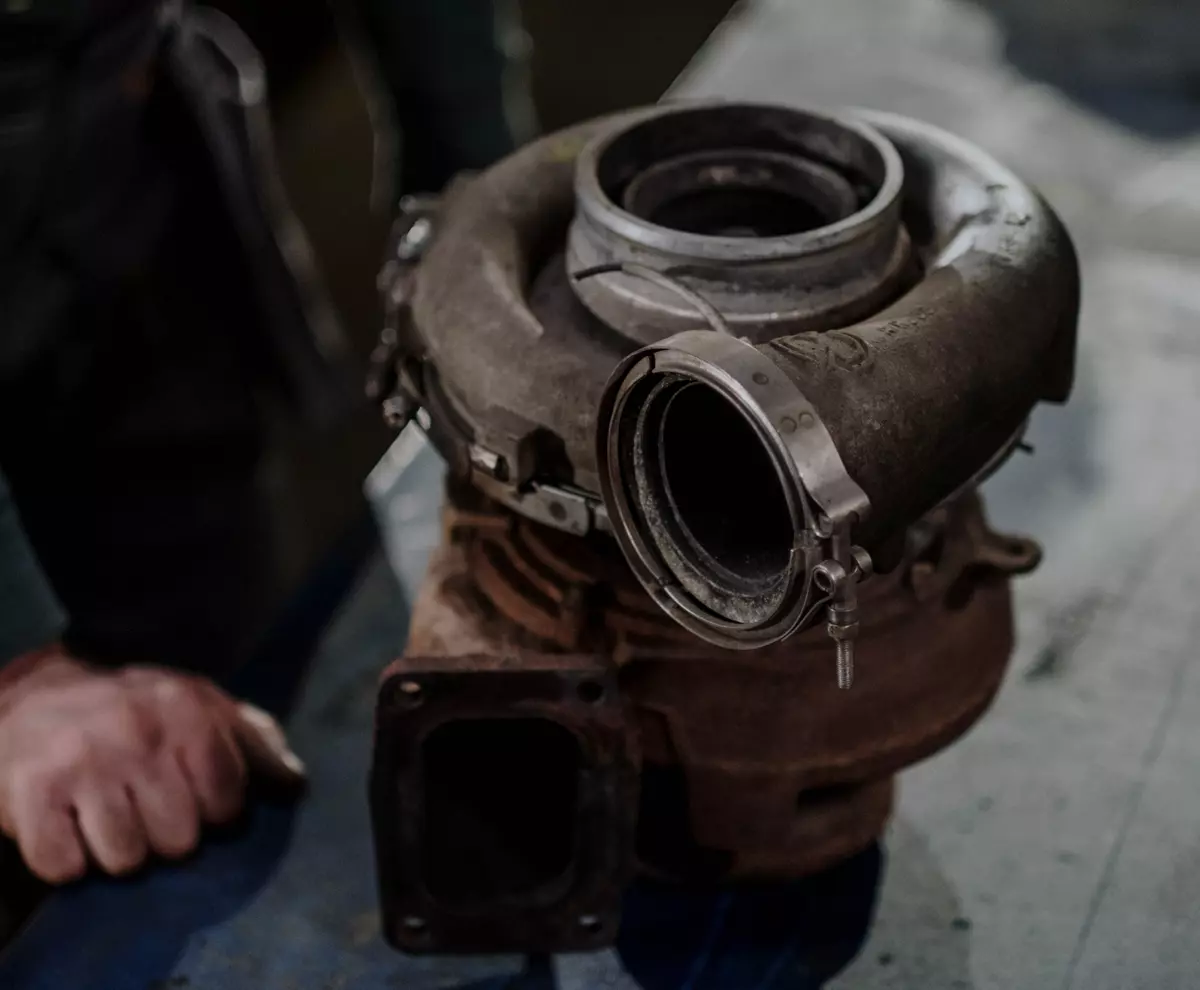
Diesel turbochargers in modern pickup trucks are generally highly reliable, regularly lasting 150,000 to 200,000+ miles with routine maintenance. However, the modern variable geometry turbochargers (VGTs) used today are complex components tied to strict emissions systems. Most turbocharger issues stem from oil starvation, carbon buildup, or actuator failures. Maintenance is key.
The Leading Causes of Failure In Diesel Truck Turbochargers
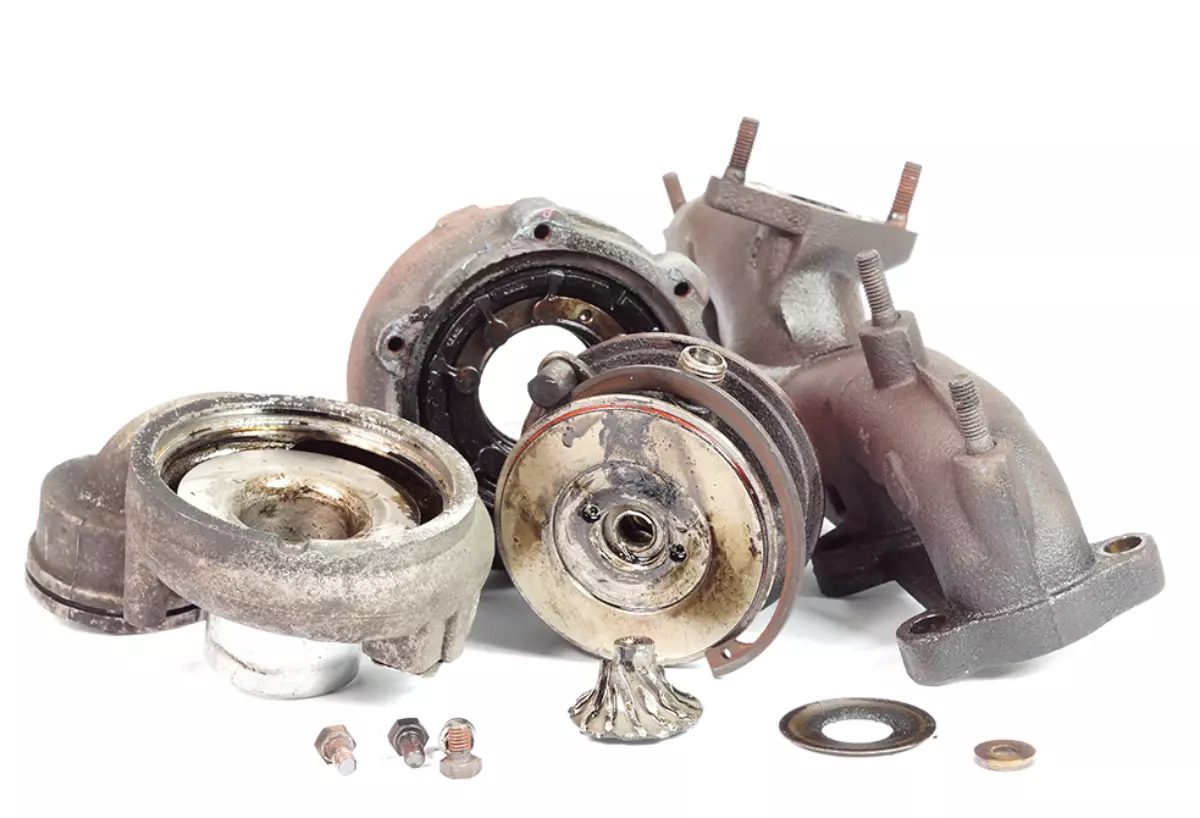
The working conditions and maintenance of diesel pickup trucks play the biggest role in how long a turbocharged diesel will last. Turbochargers, thanks to today’s engine designs and emissions components, have several external failure points that can cause the turbo to break. Most of these are not due to poor turbo design, but are instead due to the things around the unit. Common causes include:
- Oil Starvation/Contamination: Nearly all turbocharger failures are oil-related. Dirty oil or a lack of oil pressure can quickly destroy the turbo’s bearings.
- VGT Actuator Failure: Modern turbos use electronic actuators to adjust the vanes inside the turbine. These electronics can wear out or seize over time from exposure to extreme heat and soot. Most have a maintenance or check interval that should be closely followed.
- Emissions-Related Clogging: Diesel trucks require systems like exhaust gas recirculation (EGR) and diesel particulate filters (DPF). Frequent short trips prevent the truck from completing a “regeneration” cycle, leading to soot buildup that can choke the turbocharger’s efficiency.
The Reliability Breakdown for Diesel Turbochargers
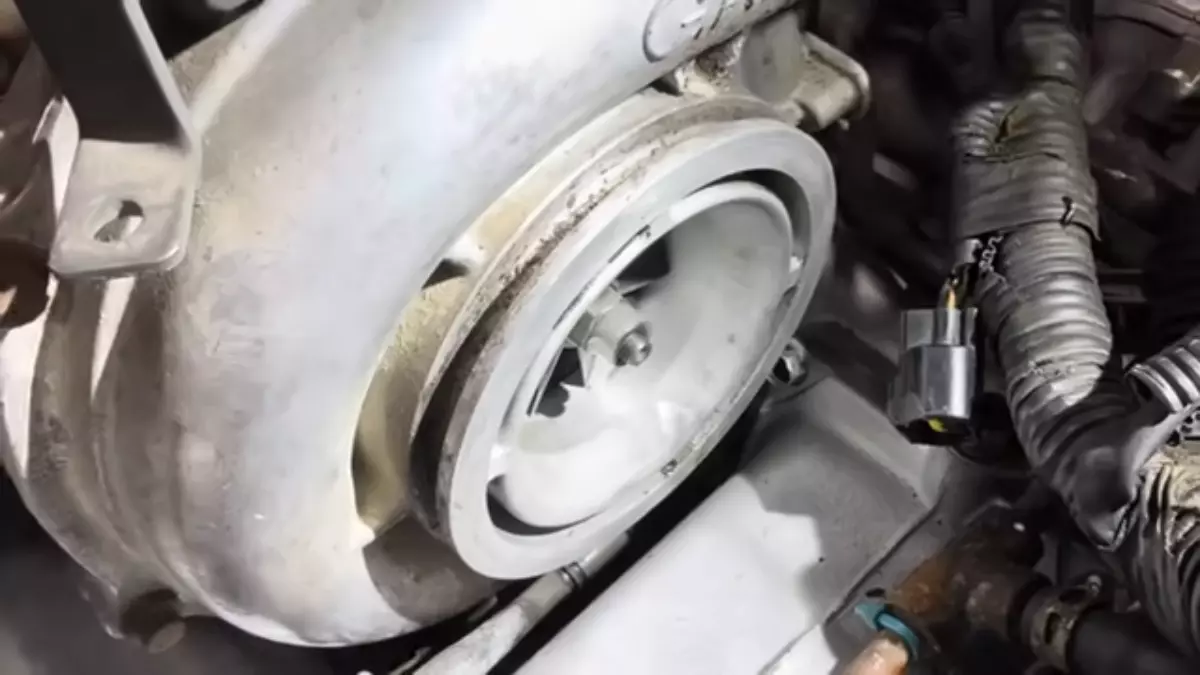
Modern diesel turbochargers (such as those on the Ford 6.7L Power Stroke, Cummins 6.7L, and GM 3.0L Duramax) are built to withstand immense heat and pressure. Their reliability relies on several key maintenance items:
- Strict Oil Changes: Use high-quality, manufacturer-specified engine oil and never skip a service interval.
- Cool-Down Periods: After a long tow or heavy haul, let the truck idle for a minute or two. This allows the oil to continue circulating through the turbocharger while it cools down, preventing the oil from “cooking” or coking in the bearings. Many newer trucks have a feature that automatically forces a cool-down upon shutdown, keeping the engine running until the exhaust reaches a low enough temperature.
- Avoid Long Idle Times: A holdover from early diesel engines is the idea that diesels prefer to idle. The reality is that today’s diesel engines in heavy-duty trucks not built for long halt scenarios will accumulate soot and carbon deposits during idle, when the turbocharger and engine are running at lower temperatures. Too low to cook off those deposits.
How Does Your Diesel Engine’s Turbocharger Design Rank?
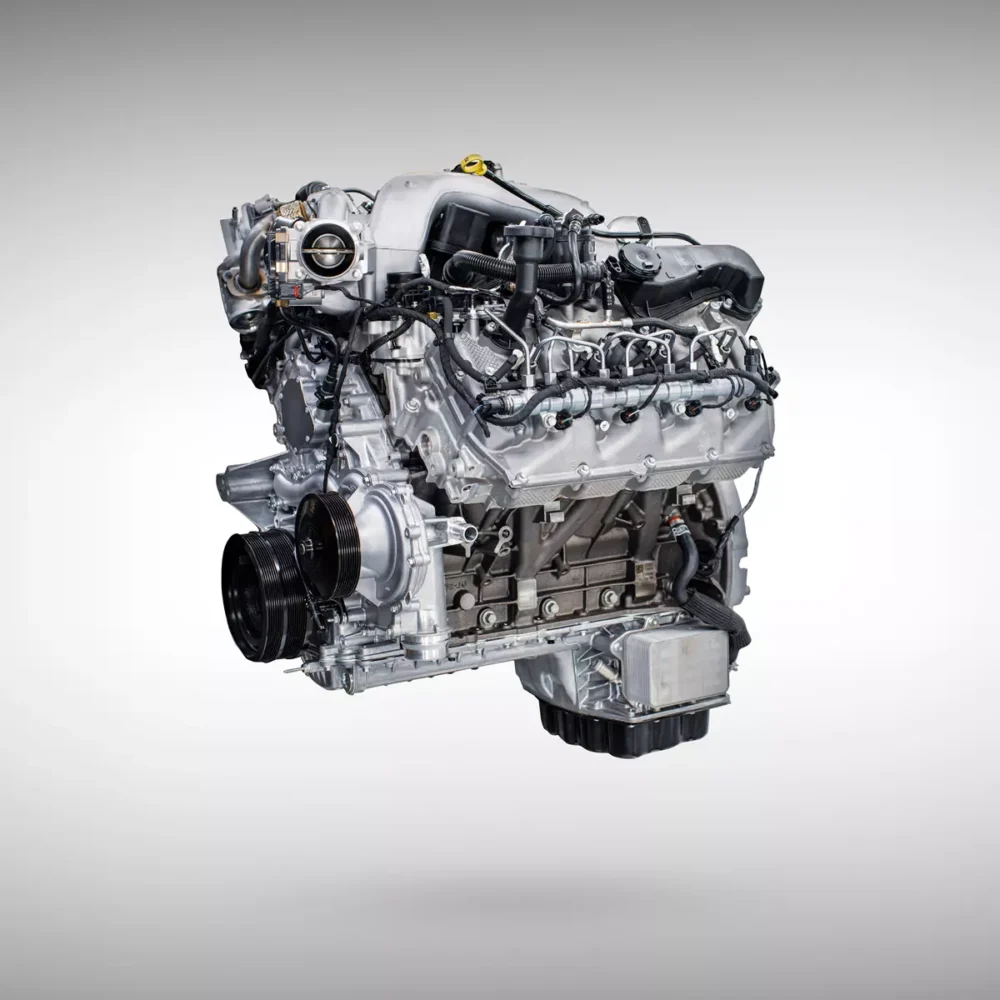
Heavy-duty diesel pickups from Ford, Ram, and Chevy consistently rank as some of the longest-lasting vehicles on the road, with many reaching 250,000+ miles. However, modern emissions regulations have made today’s engines more complex than older, mechanically injected diesels. This added complexity comes with better economy and lighter-weight, smaller components that improve efficiency.
Ranking diesel trucks by turbocharger failure rate is not easy, but a survey of information (videos, articles, etc) by various mechanics specializing in diesel engines gives us the following ranked list of turbo fails by engine. Feel free to chime in with your stories or information about your own experiences with any of these engines.
- Ford Power Stroke 6.4L (2008-2010) – There is a reason this engine was only made for two years. This version of the Power Stroke nearly sank Ford’s reputation for reliability in the heavy-duty truck market. The variable geometry turbocharger (VGT) used here was terrible.
- Ford Power Stroke 6.0L (2003-2007) – Only marginally better than the engine that followed, the first Power Stroke made by Ford (who had previously used Navistar-made engines) used a VGT that choked on itself and grenaded.
- Ram 6.7L Cummins (2007.5-2012) – Early emissions-equipped engines in this series experienced high rates of VGT actuator and unison ring failures. Heavy soot loads from aggressive EGR systems would cause the VGT vanes to clog and seize.
- Ford Power Stroke 6.7 (2011-2012) – Early versions of the current Power Stroke used a highly complex, single-sequential turbocharger with a dual-sided compressor wheel supported by ceramic ball bearings. Under high stress and heat, these bearings would shatter. Ford quickly upgraded to steel bearings in later years.
- Chevrolet/GMC 6.7L Duramax (2011-2016) – While generally more reliable than earlier models, the VGTs on LML engines are prone to sticking, oil seal leaks, and boost control sensor failures after prolonged heat cycles.
Other Common Issues Causing Turbo Failure in HD Trucks
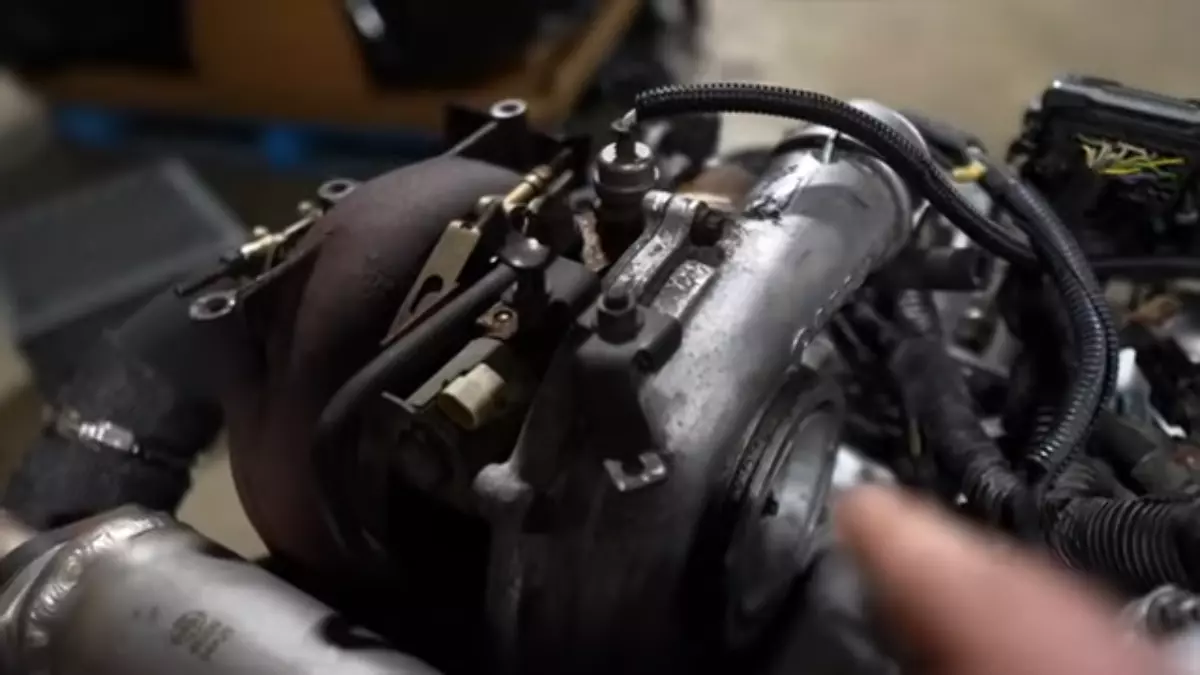
Turbos are critical components in diesel trucks like Duramax, Powerstroke, and Cummins, but premature turbo failures happen. Tuning practices, boost leaks, installation shortcuts, and more are all things affecting early turbo deaths.
Overspeeding the Turbo
One of the primary reasons turbos fail is overspeeding the turbo shaft beyond its design limits. This can happen due to improper tuning, boost leaks, or mechanical issues within the truck. Excessive axial movement in the turbo shaft, often detected by checking shaft play (up and down, side to side, and in and out), indicates wear on thrust bearings and can lead to catastrophic failure.
The most common cause of overspeeding turbos is cheap tuning. Tuning plays a huge role in turbo longevity. Many failures are linked to cheap or stolen tuning files sold on platforms like Facebook Marketplace or Craigslist. These unauthorized tunes often command boost pressures far beyond what the turbo can handle, such as over 45 PSI on a drop-in turbo, whereas reputable tuners typically limit boost to 33-35 PSI.
Using cheap tuning can cause severe damage, including turbo overspeed and engine issues. It is strongly advised to avoid these sources and instead seek reputable tuners who provide proper calibration and support.
Boost Leaks
Boost leaks can cause the turbo to overspeed as the system tries to compensate for lost pressure. Testing for boost leaks after turbo installation is critical. A simple method involves pressurizing the intake system and spraying soapy water on all boots and connections to detect leaks. Even tiny pinholes or leaks in the first 4,000 to 8,000 miles can cause significant problems.
Poor Installation Practices
Installing a turbo requires patience and attention to detail. Common mistakes include improper drain tube installation, pinched oil lines, or dropping hardware into the drain hole. Such errors can lead to oil leaks, turbo damage, or the need to reinstall the turbo entirely.
Installers or tuners who don’t take the time to install correctly, double-check the install, and thoroughly test the turbocharger after installation are a leading cause of short-term turbo death.
The Nine Blade vs. Ten Blade Turbo Controversy
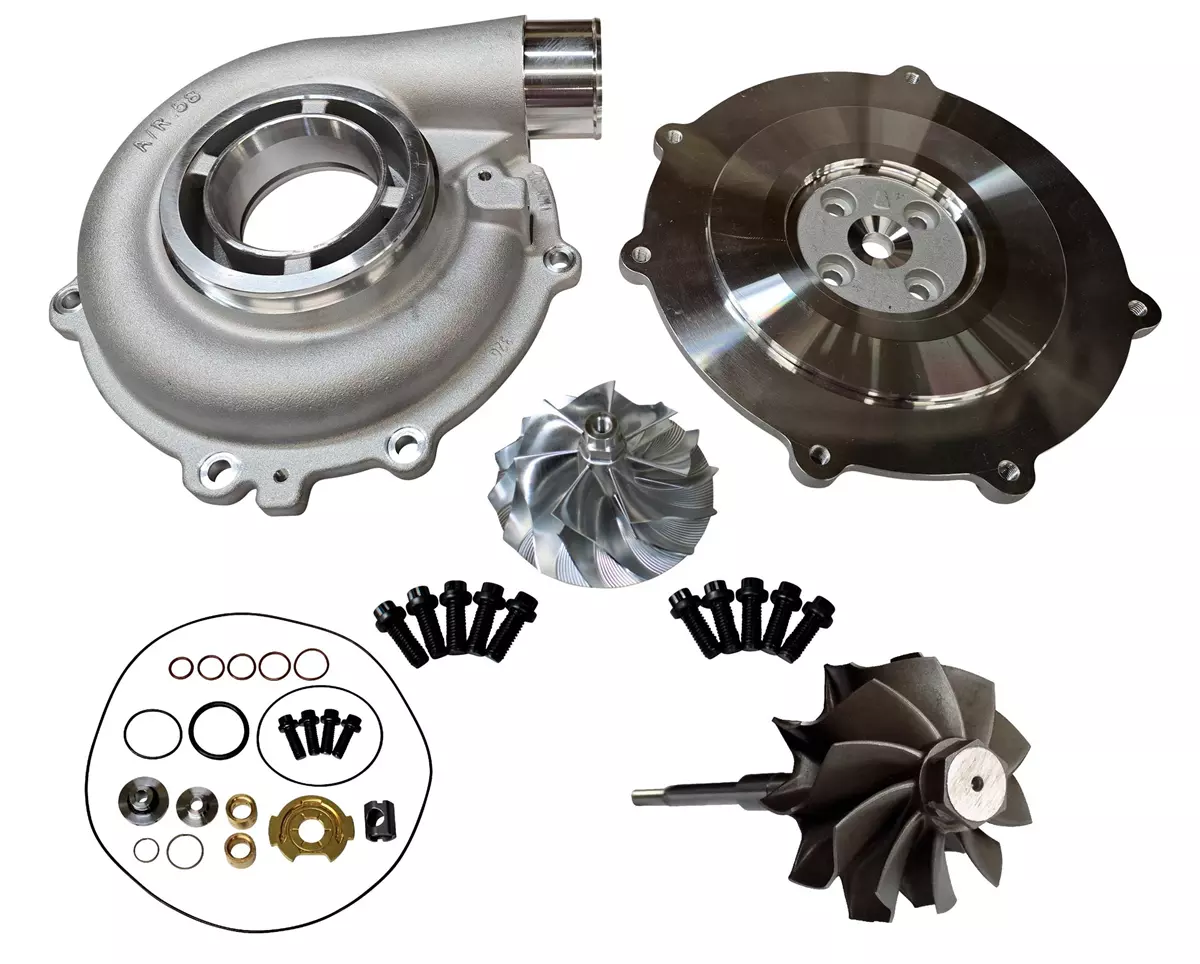
The debate between nine blade and ten blade turbine wheels has been ongoing. The ten blade turbine is the traditional design known for its distinctive whistle. The nine blade turbine, introduced around 2019-2020, initially had rough prototypes but has since been refined.
Be aware that many nine blade turbos sold online are knockoffs of early prototypes and are prone to leaking and failure. Buyers should be cautious and purchase from reputable manufacturers to avoid counterfeit products. As with most parts purchases, you generally get what you pay for.
Both nine- and ten-blade designs perform well when properly manufactured and installed. The choice often comes down to sound preference and brand trust.
Additional Issues and Tips for Your Diesel Truck Turbo
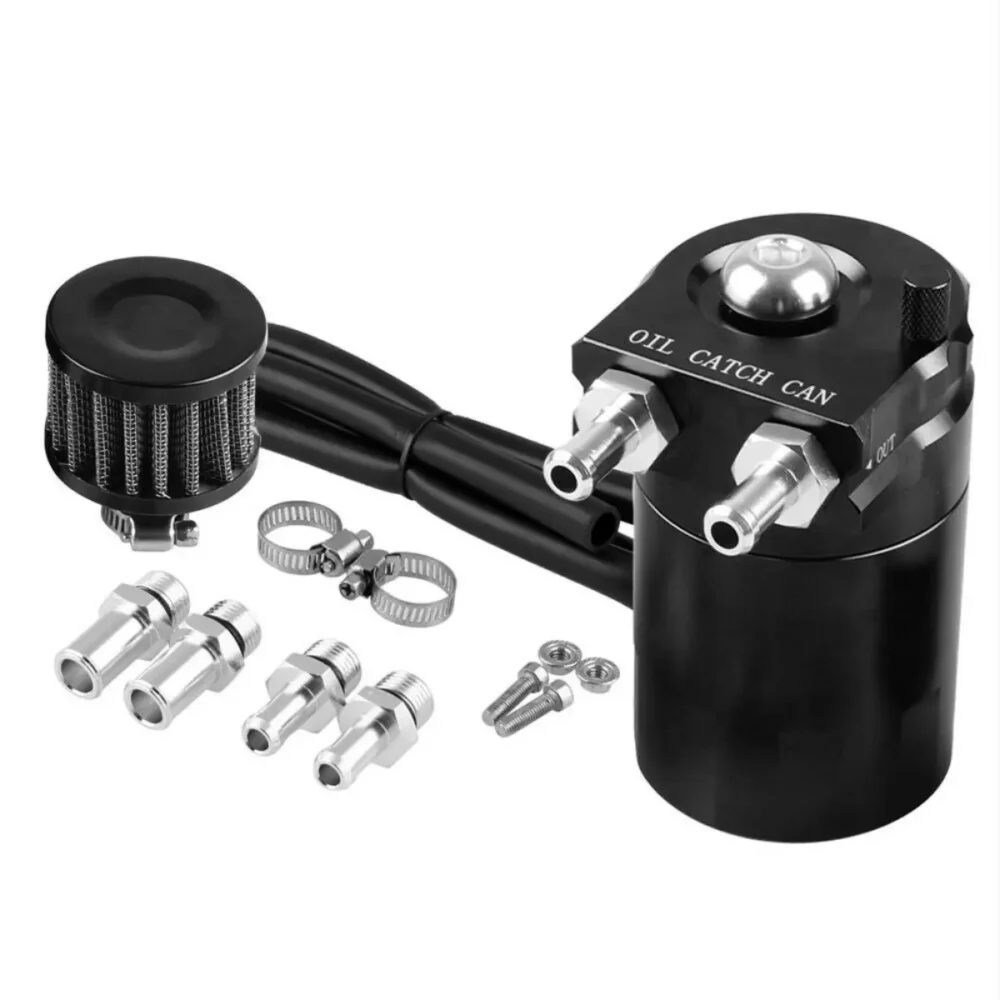
These are some addition things to know and/or avoid with your turbodiesel engine.
Catch Cans
Catch cans are generally discouraged as they can create excessive pressure if not drained regularly, leading to turbo damage. Many manufacturers void warranties if catch cans are installed.
Monitoring and Diagnostics
Monitoring actual versus desired vane position and exhaust gas temperatures (EGTs) is essential. Monitoring tools can provide accurate boost and EGT readings, helping owners detect issues early.
Relearning Vane Position Sensor
After turbo installation, performing a vane position sensor relearn with a bi-directional scanner is critical to ensure proper turbo operation. This process is quick and can prevent codes and performance issues.
Maintenance, Maintenance, Maintenance
As with all things automotive, maintenance is the number one factor in determining longevity and reliability. Turbochargers, like any other component, require routine checks and maintenance.
The Takeaway Is Simple: Most Turbo Failures Are Preventable
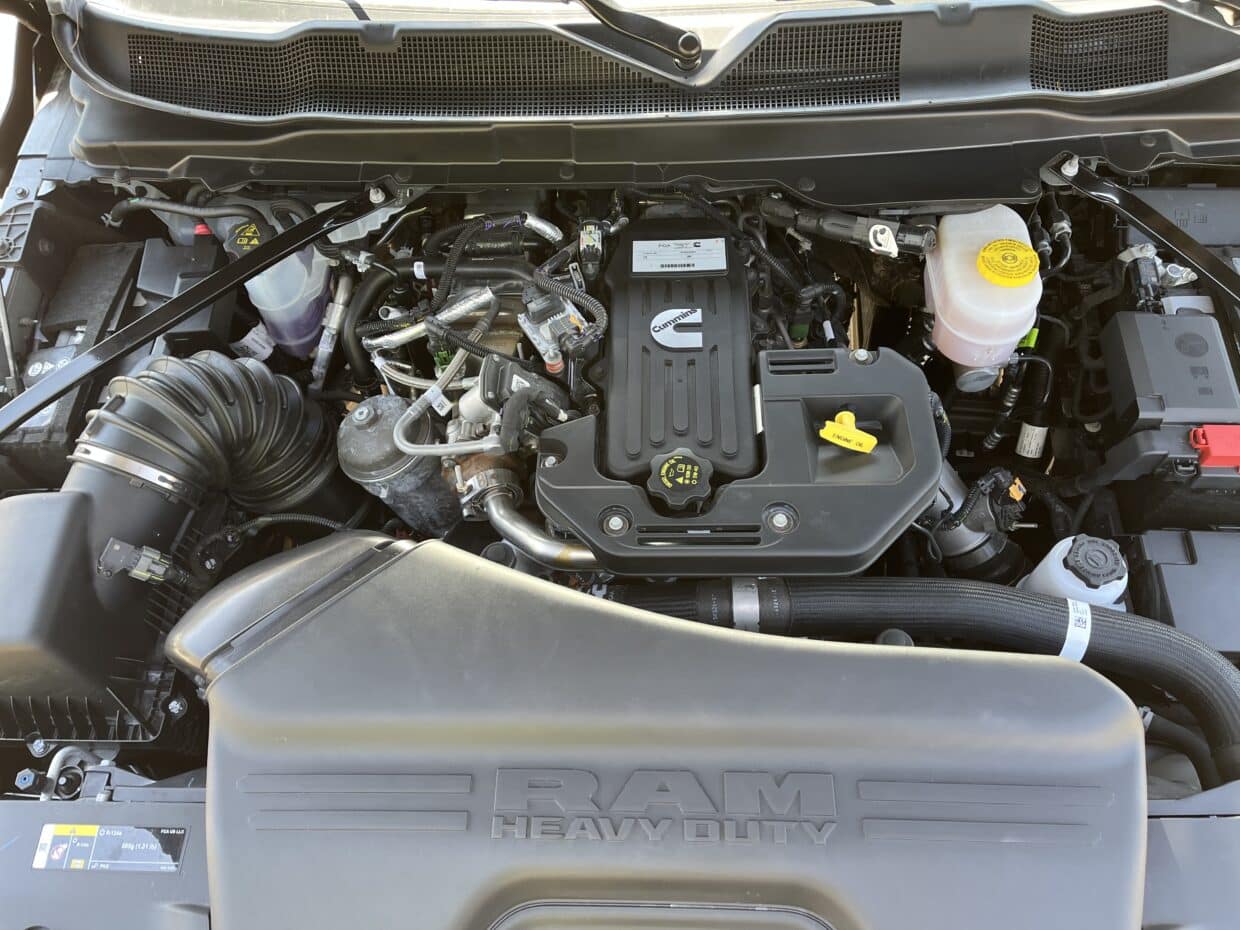
Turbo failures in Duramax, Power Stroke, and Cummins trucks are often preventable with proper tuning, installation, and maintenance. Avoid cheap tuning sources, always perform boost leak tests, monitor critical parameters, and use reputable parts and installers. Taking these steps will help ensure your turbo lasts and your truck performs reliably.
Remember the adage: buy once, cry once. Investing in quality parts and professional service saves money and headaches in the long run.
If you have experiences with turbo installations or failures, sharing your story can help others learn. Keep the dialogue open and stay informed to protect your investment and keep your HD diesel truck running strong.