The 2027 Volkswagen Atlas gains horsepower and improves fuel economy, but its tow rating still requires a careful look at the order sheet. The redesigned SUV can pull a 5,000-pound braked trailer in the right configuration; the entry SE is not that configuration.
For shoppers comparing family SUVs that also handle weekend trailer duty, the useful details are the engine, drivetrain, hitch equipment and trim price. Volkswagen has now released those pieces ahead of the Atlas’s planned fall arrival.
The new turbo four makes 282 horsepower
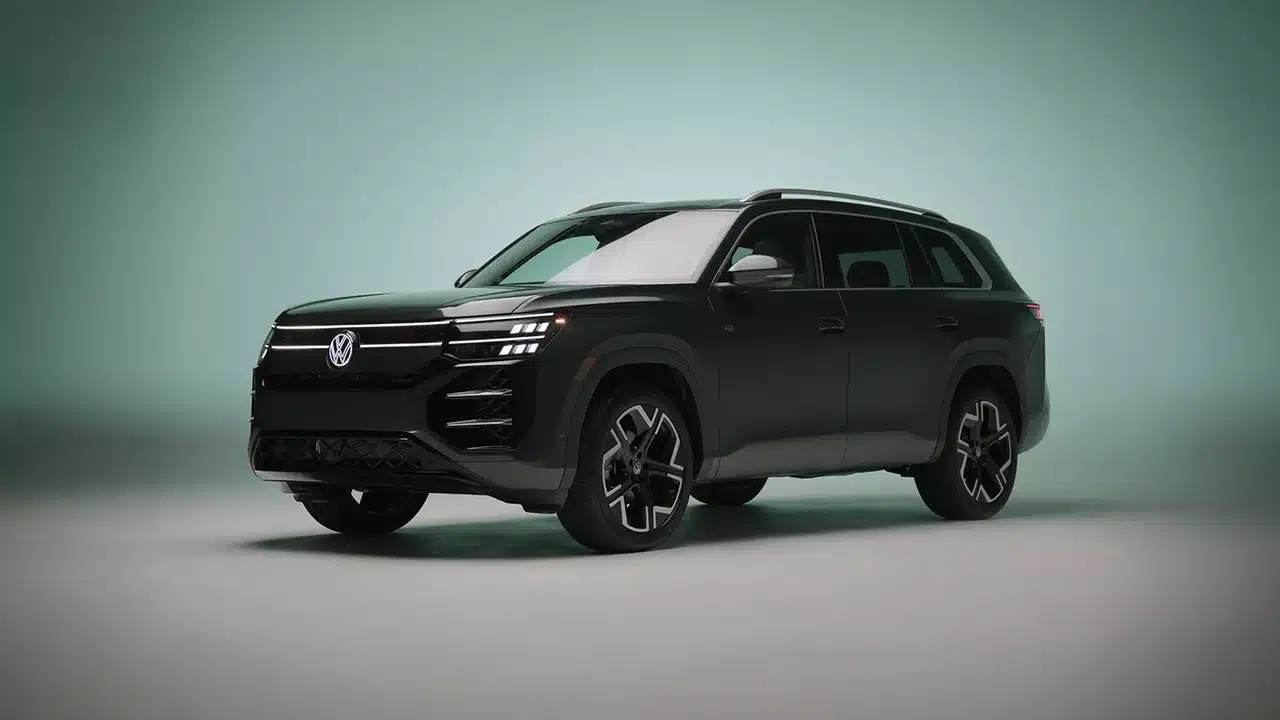
Volkswagen replaces the outgoing engine with the EA888 evo5, a turbocharged, direct-injection 2.0-liter four-cylinder rated at 282 hp and 258 pound-feet of torque. Horsepower rises by 13, and an eight-speed automatic remains the only announced transmission.
Front-wheel drive is standard on SE and SE with Technology, with 4Motion all-wheel drive available for $2,000. SEL R-Line and SEL Premium R-Line include AWD. VW has announced a hybrid for the midcycle refresh, rather than for this initial 2027 lineup.
The official EPA estimates are 22 mpg city, 29 highway and 25 combined for FWD, versus 20 city, 27 highway and 23 combined for AWD. Those are everyday fuel-economy estimates, not predictions of what an Atlas will return while towing.
The 5,000-pound tow rating starts above the base trim
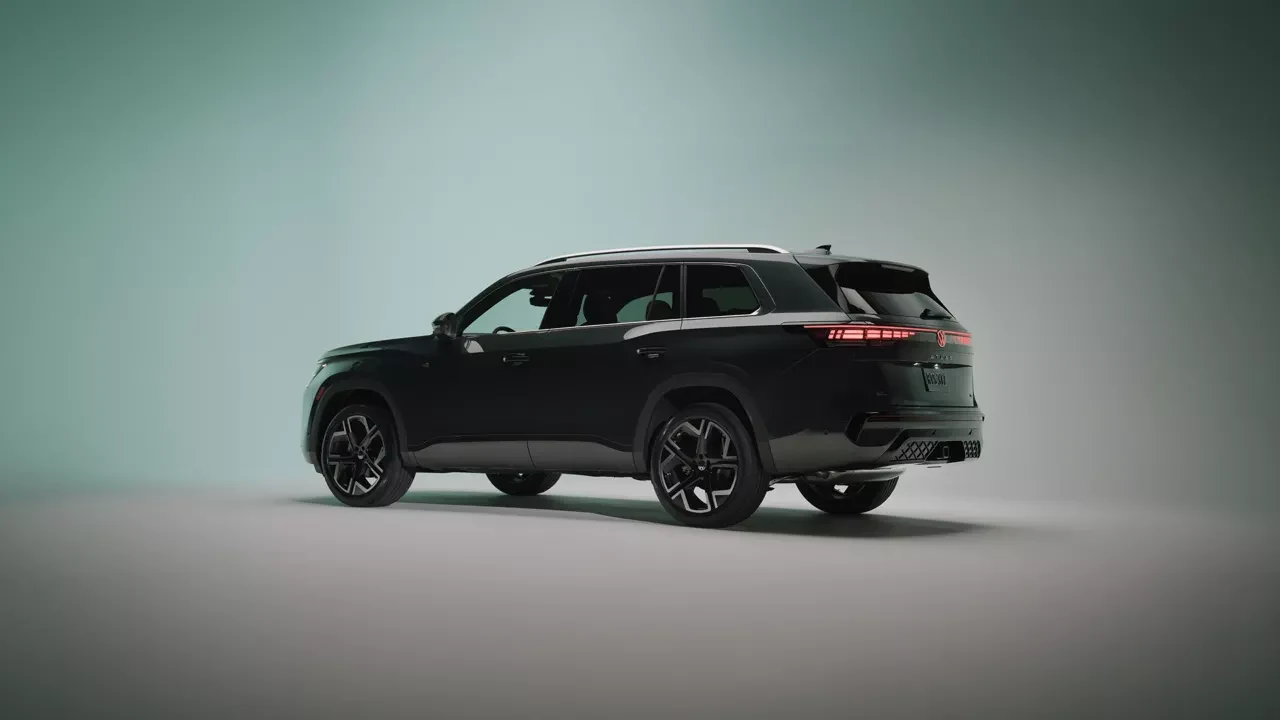
VW’s July pricing announcement lists the SE with 2,000-pound trailer preparation. SE with Technology and the two SEL R-Line trims instead receive a factory-installed hitch and a maximum 5,000-pound rating for a braked trailer.
The manufacturer also specifies an appropriate third-party trailer brake controller for the maximum braked-trailer rating. Passengers, cargo, accessories and options affect available capacity. A buyer should check the actual vehicle’s labels and owner’s manual, as well as the trailer’s loaded weight and tongue weight.
The least expensive announced route to the higher tow rating is therefore SE with Technology FWD at $47,135 including the $1,525 destination charge. The AWD version costs $49,135. Buying the base SE for $43,135 delivered does not buy the same towing setup.
Three-row utility remains central to the redesign
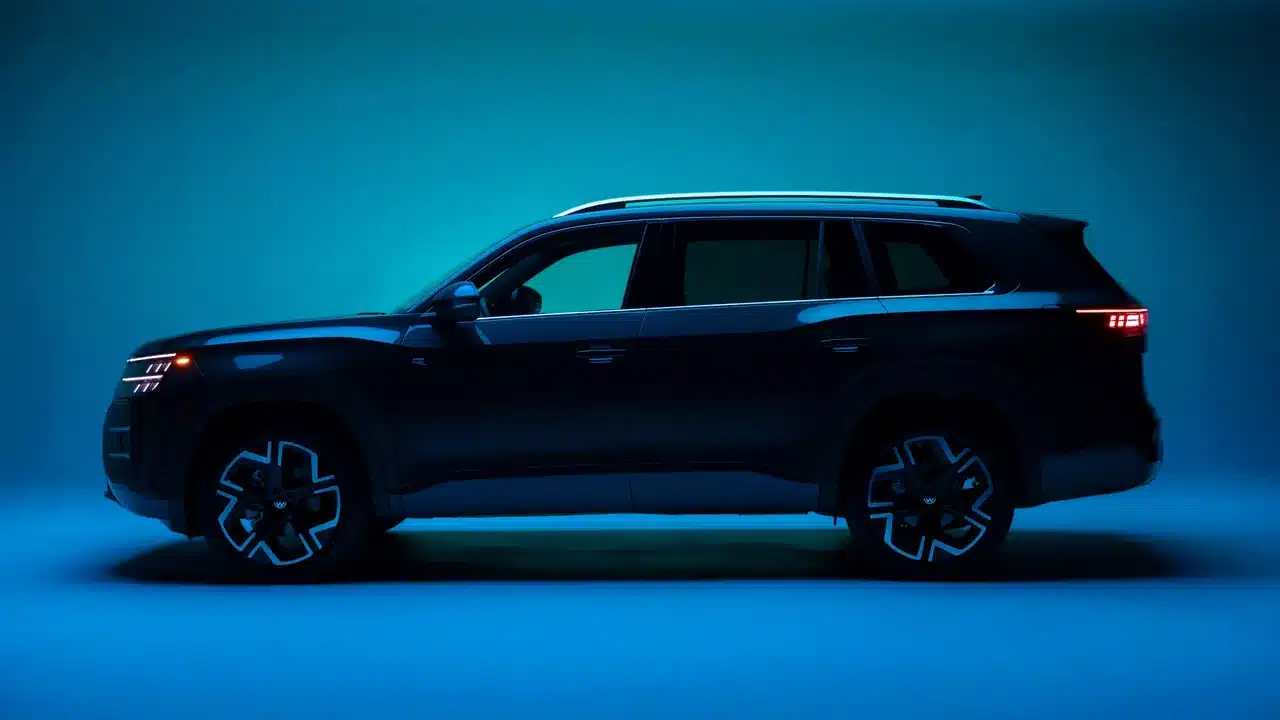
Atlas remains a unibody SUV, now on Volkswagen’s MQB evo architecture. The company says the new body is about an inch longer, while width, height and wheelbase remain unchanged. Standard seating is for seven, with a sliding second-row bench and a folding third row.
Second-row captain’s chairs cost $695 on SE with Technology and higher trims. New standard conveniences include a power liftgate, rear sunshades and front and rear parking sensors. VW has also moved the gear selector to the steering column, opening space for dual wireless phone charging in the console.
Those are useful changes for family trips, but they do not establish that every loaded Atlas can use the headline maximum tow rating. The final vehicle configuration remains the starting point for matching it to a trailer.
What the higher trims buy beyond towing equipment
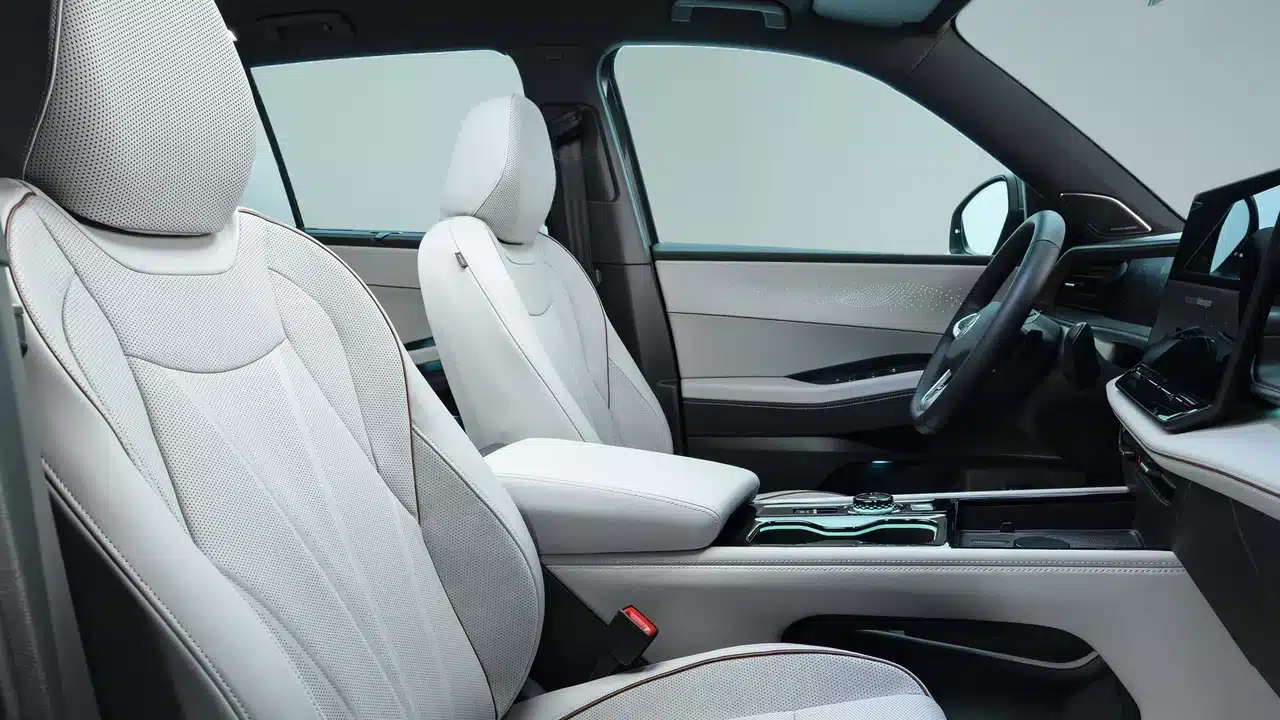
SE with Technology adds a 15-inch center screen instead of the base model’s 12.9-inch unit, along with the hitch and other convenience equipment. SEL R-Line costs $53,635 delivered and adds standard AWD, leather seating, a head-up display and a panoramic sunroof.
At $58,135 delivered, SEL Premium R-Line adds Nappa leather, enhanced front-seat massage and a 14-speaker Harman Kardon system. Neither of those higher trim prices raises the announced maximum towing figure above 5,000 pounds. Taxes, registration and options are additional.
For a buyer focused on utility, SE with Technology is the trim to examine first. The upper versions mainly add comfort and equipment; the powertrain and maximum towing headline remain the same.
Sources: Volkswagen’s trim pricing and towing equipment, powertrain and EPA ratings and redesign announcement.