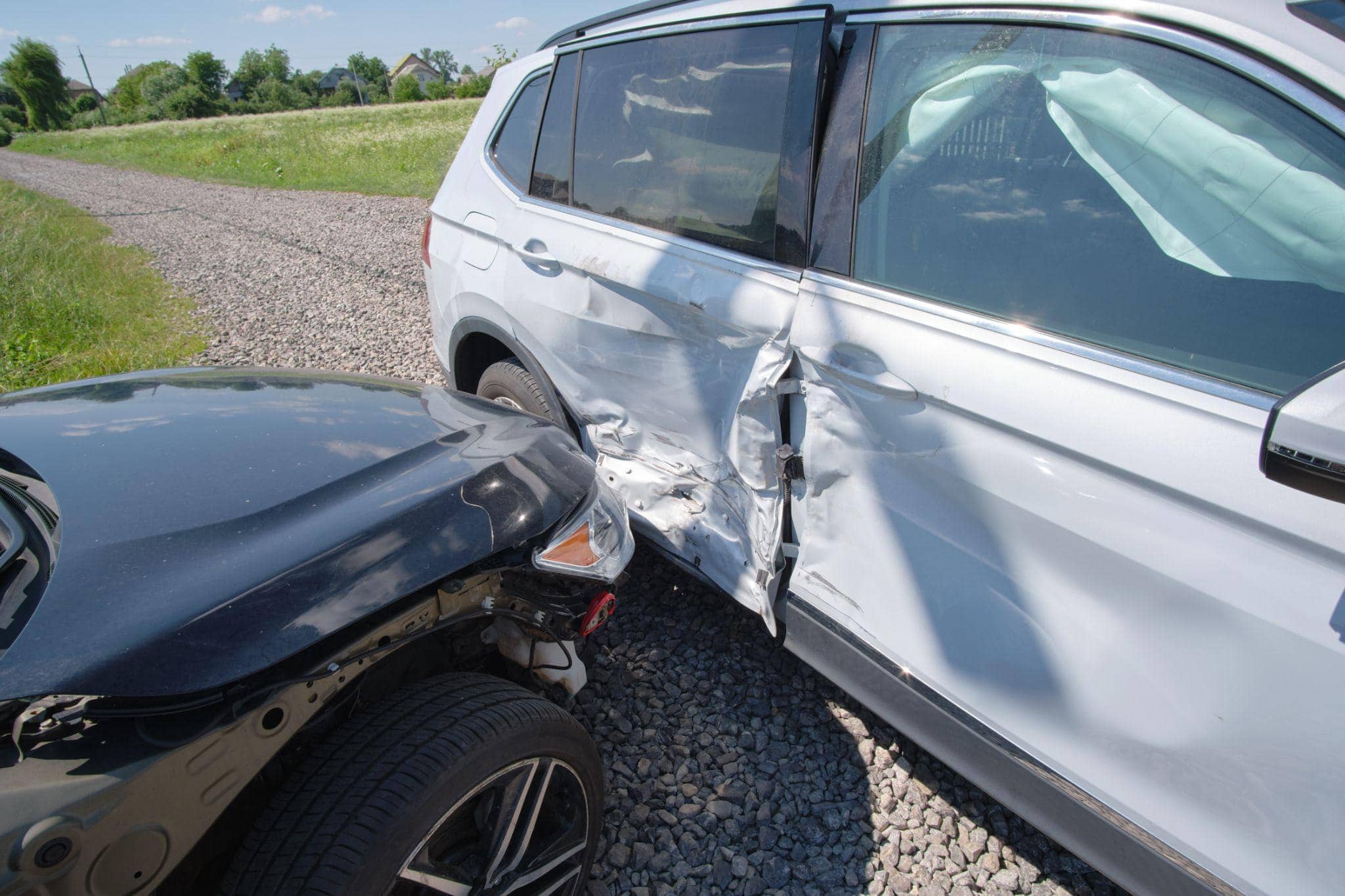
A car accident in Gainesville can turn an ordinary day into months of medical bills, lost work, and confusion about what happens next. Florida doesn’t hand out compensation just because you got hurt; you have to prove specific things before an insurance company or a court will pay you. Because Florida’s rules work differently than most states, especially when it comes to your own insurance and the other driver’s, a car accident lawyer in Gainesville can help you sort out exactly what your case needs before you miss something that costs you money.
The Basic Elements Every Car Accident Claim Needs
To hold another driver responsible for your crash, you need to prove four things. First, the driver owed you a duty to drive safely, which every driver on the road automatically owes to everyone else. Second, they broke that duty through a careless or reckless act, like running a red light or following too closely. Third, that broken duty directly caused your crash and your injuries. Fourth, you suffered real damages, such as medical bills, lost wages, or physical pain.
Florida Statute 316.1925 defines careless driving as failing to operate a vehicle carefully and prudently, and it often forms the backbone of the breach element in a claim. Police reports, witness statements, and traffic camera footage typically provide the proof needed to show this kind of breach happened. Without solid proof on each of these four points, an insurance company has little reason to pay your claim in full.
Why Florida’s No-Fault Law Changes What You Need to Prove
Florida requires every driver to carry Personal Injury Protection insurance, known as PIP, under Florida Statute 627.736. This coverage pays a portion of your medical bills and lost wages after a crash, no matter who caused it, which means you don’t have to prove fault just to get initial help paying your bills. However, PIP typically covers only 80% of medical costs and 60% of lost wages, up to a $10,000 limit, and you must see a doctor within 14 days of the crash or risk losing this coverage entirely.
Because PIP rarely covers the full cost of a serious crash, Florida law lets you step outside the no-fault system and file a claim against the at-fault driver in certain situations. To do this, you must prove your injuries meet the state’s serious injury threshold under Florida Statute 627.737. This extra proof requirement is unique to no-fault states like Florida, and it catches many injured Gainesville residents off guard.
Proving Your Injuries Meet Florida’s Serious Injury Threshold
Meeting the serious injury threshold takes more than a doctor’s note saying you got hurt. Florida law spells out specific categories your injury must fall into before you can sue the at-fault driver for pain and suffering. A doctor typically has to state, within a reasonable degree of medical probability, that your injury fits one of these categories. This medical opinion often becomes one of the most important pieces of evidence in your entire case.
Under Florida Statute 627.737, a qualifying injury includes:
- Permanent function loss: lasting loss of a bodily function
- Permanent injury: confirmed within medical probability
- Permanent scarring: significant, lasting disfigurement
- Wrongful death: injuries that result in death
What Evidence Helps Prove Your Case
Strong proof makes every part of your claim easier to win, from fault to the seriousness of your injury. Insurance adjusters look closely for any gap they can use to reduce or deny your claim. Gathering the right evidence early keeps those gaps from forming in the first place. This matters just as much for proving fault as it does for proving your injury meets Florida’s threshold.
- Police report: official record of the crash
- Medical records: link your injury to the crash
- Photos: document the scene and damage
- Witness statements: outside account of events
- Doctor’s opinion: confirms permanency of injury
Proof Shapes What Your Claim Can Recover
Every car accident claim rests on proof, not just what happened but how clearly you can show it. Florida’s no-fault system adds an extra layer most injured drivers don’t expect, since meeting the state’s serious injury threshold determines whether you can seek anything beyond your own PIP coverage. The strength of your case often comes down to how early you start gathering records and how clearly those records connect your injury to the crash. Knowing what the law actually requires gives you a much clearer picture of where your case stands.