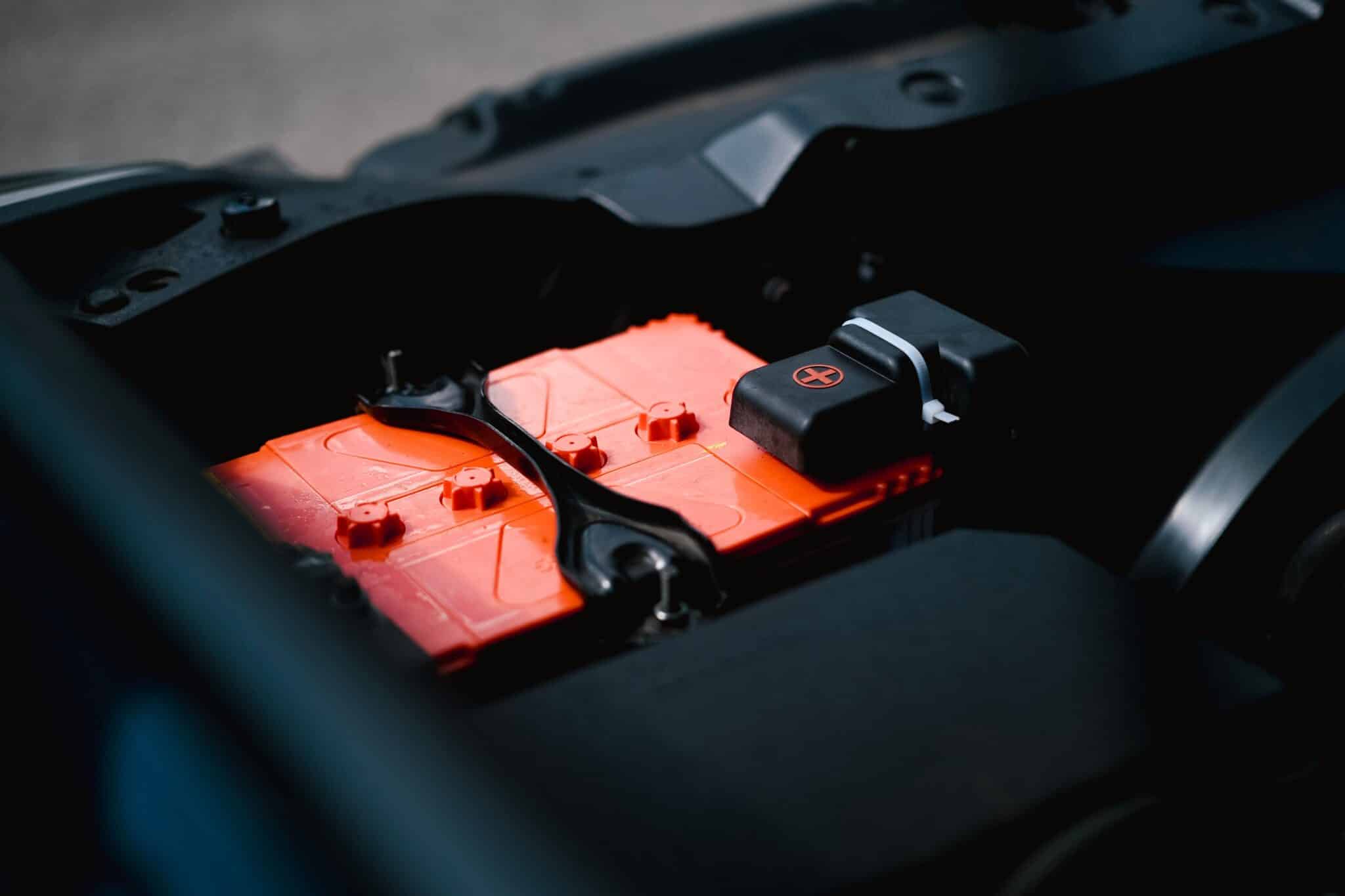
For a long time, van batteries were treated as a maintenance detail: important, certainly, but rarely seen as a frontline business concern. If the engine started, the battery was doing its job. If it failed, it got replaced. End of story.
That view no longer fits how trade businesses actually operate.
Modern vans are no longer just a way of getting people and tools from one job to the next. They’re rolling workstations packed with charging ports, telematics, beacons, security systems, refrigeration units, inverters, dash cams, and mobile devices that need power throughout the day. For electricians, plumbers, joiners, HVAC engineers, and field service teams, a van that won’t start is only part of the problem. A van with weak battery performance can quietly disrupt scheduling, increase idle time, and chip away at profitability long before it breaks down completely.
That’s why battery performance is becoming less of a workshop issue and more of a trade productivity issue.
The Trade Van Has Changed
The average working van today carries a heavier electrical load than many operators realise. Even businesses that haven’t intentionally “upgraded” their fleet often end up adding power demands gradually: a tracker here, a charging setup there, maybe an inverter for tools or extra lighting for winter callouts.
More Devices, More Drain
Each addition may seem minor on its own. Together, they fundamentally change what the battery is being asked to do.
A van used by a mobile technician might now support:
- multiple phone and tablet charges each day
- telematics and route-tracking systems
- dash cams or reversing cameras
- internal work lights
- alarm and immobiliser systems
- power-hungry aftermarket accessories
That matters because many trade vehicles don’t spend their day on long, uninterrupted motorway runs. They operate on short, stop-start journeys with frequent engine-off periods. That gives the battery less time to recover between demands. Over weeks and months, that pattern can lead to undercharging, reduced battery life, and unreliable starts, especially in colder weather.
In other words, the battery isn’t just ageing. It may be working in conditions it was never properly specified for.
Why Battery Failure Now Hits Harder
A flat battery used to mean a delay. Today, it can trigger a cascade of operational problems.
Downtime Is More Expensive Than It Looks
If a van fails first thing in the morning, the obvious cost is the missed job. The less visible costs are often bigger. A delayed engineer throws off the day’s schedule. Customers need to be updated. Emergency work may need reassigning. Another vehicle might be diverted, affecting separate jobs. If perishable materials, specialist tools, or booked installation slots are involved, the financial hit escalates quickly.
For sole traders, the impact is immediate and personal: no van, no earnings. For larger trade businesses, a single failure can ripple through an entire team’s route planning.
This is partly why procurement and fleet decision-makers are paying closer attention to battery spec, not just replacement price. It’s increasingly sensible to browse van battery options for businesses with duty cycle, vehicle usage, and onboard electrical load in mind, rather than treating batteries as interchangeable consumables. A cheaper unit that struggles under real working conditions can become expensive very quickly.
There’s also a reputational angle. Customers may never know that a missed appointment was caused by a weak battery, but they will remember the missed appointment. In competitive local markets, reliability is part of the product.
Reactive Replacement Is No Longer Enough
Many firms still replace van batteries only when there’s a clear problem. That approach made sense when vehicles were simpler and battery demands were predictable. It makes less sense now.
Specification Matters More Than Familiarity
One of the most common mistakes is choosing a replacement battery based on habit. Same size, same brand family, close enough. But vans used for trade work often need more careful matching than that.
Start-stop systems, for example, require the correct battery type, such as EFB or AGM depending on the vehicle. Fit the wrong one and performance issues may appear sooner than expected. Even without start-stop, a van carrying significant auxiliary loads may need a battery with stronger reserve capacity and better cycling performance than a standard replacement provides.
The right question isn’t just, “Will it fit?” It’s, “Will it support how this van is actually used?”
That’s a shift in mindset. Instead of viewing the battery as a passive component, trade businesses need to see it as part of operational planning.
What Smart Operators Are Monitoring
Battery issues rarely appear out of nowhere. Usually, there are warning signs; they’re just easy to overlook when a team is busy.
The Clues Often Show Up Before Failure
A practical battery strategy usually involves keeping an eye on a few recurring indicators:
- slower or hesitant starts, especially on cold mornings
- repeated jump-starts across the same vehicle or route
- increased complaints about charging ports or powered accessories
- vans used mainly for short urban trips
- batteries nearing the upper end of their expected service life
None of these guarantees imminent failure. But taken together, they signal that the battery is affecting vehicle reliability and should be assessed before it turns into downtime.
This is where routine testing helps. A simple voltage check is useful, but conductance testing and charging system checks give a clearer picture. In fleet settings, adding battery health checks to scheduled maintenance can prevent a surprising number of callouts.
The Productivity Mindset Shift
Trade businesses are under pressure from every angle: tighter appointment windows, labour shortages, fuel costs, customer expectations, and the constant challenge of fitting more work into the day without sacrificing quality. Against that backdrop, anything that undermines vehicle readiness becomes a productivity issue by definition.
Prevention Is Operational Efficiency
The most effective operators tend to do three things well. They match battery choice to real usage, they test before failure, and they avoid letting replacement decisions happen in a rush after a breakdown.
That doesn’t mean overcomplicating procurement. It means recognising that the battery sits closer to revenue than many people assume. If your vans are essential to delivering labour, tools, stock, and customer service, battery reliability is not a side issue. It’s part of uptime management.
And uptime, in trade businesses, is where margin lives.
Final Thoughts
Van battery performance used to sit quietly in the background of fleet maintenance. Now it sits much closer to scheduling, customer service, and workforce efficiency. As vans become more electrically demanding and job patterns more fragmented, battery reliability has a direct effect on how much work gets done in a day.
That’s the real shift. This is no longer only about avoiding breakdowns. It’s about protecting productivity in businesses where every missed start can mean missed revenue.
For trade operators, that makes the humble van battery something worth thinking about a little earlier, and a little more seriously, than before.