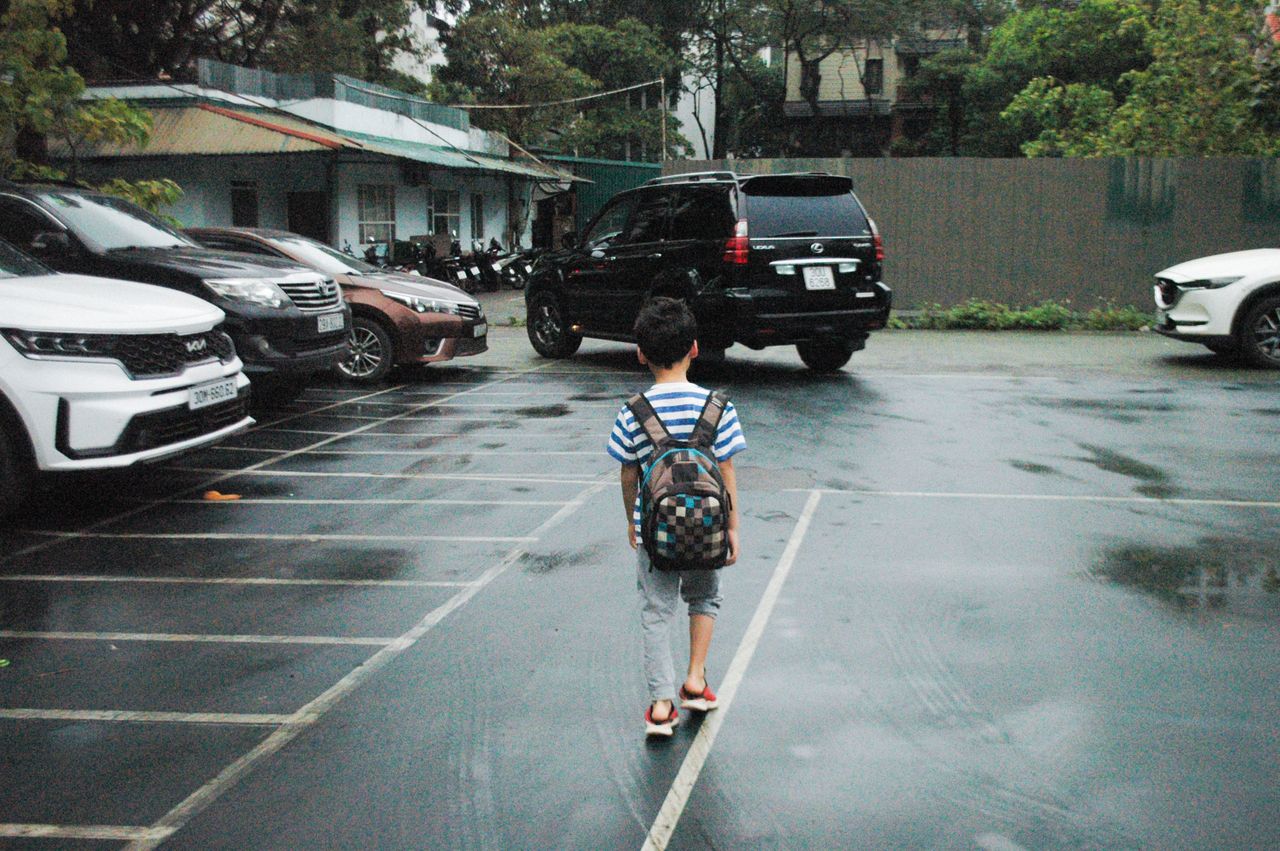
A motor vehicle accident can affect a child differently from an adult. Children are still developing, so the consequences of an injury may become clearer over time rather than during the first weeks of treatment. Their claims can also involve special rules concerning filing periods, settlement approval, medical expenses, and protection of settlement funds.
For families working with a car accident attorney in Tucson, evaluating a child’s claim may require a longer view of recovery. Arizona law includes several protections for minors that can change how an injury claim is investigated, valued, settled, and resolved.
A Child’s Recovery May Need to Be Evaluated Over Time
Some injuries are harder to measure immediately in a young child. A child who sustains a brain injury, orthopedic injury, may still be growing, attending school, developing coordination, or acquiring new cognitive skills.
The CDC explains that traumatic brain injury can affect children differently because an injury to the developing brain may disrupt development and affect learning, behavior, and self-regulation.
Pediatric evaluations, therapy notes, school accommodations, neuropsychological testing, and activity restrictions may therefore reveal effects that were not obvious immediately after the crash. Future-loss analysis needs to remain tied to medical and educational evidence rather than assumptions about what a child might experience later.
Parents and Children May Both Have Rights Involving Medical Expenses
Medical bills incurred while a child is a minor can create an issue that does not arise in the same way for an adult claimant.
In Estate of DeSela v. Prescott Unified School District No. 1, the Arizona Supreme Court held that both an injured minor and the minor’s parents may have the right to recover pre-majority medical expenses, while making clear that double recovery for the same expenses is not allowed.
The claim therefore needs to identify who is seeking each category of damages and how the expenses were paid or remain owed. Hospital bills, therapy charges, and related treatment records can help organize that part of the case.
Minority Can Change the Filing Timeline
Arizona generally pauses certain limitation periods while an injured person is under 18. A.R.S. § 12-502 states that when a person entitled to bring a qualifying action is under 18 when the claim accrues, the period of minority is not counted as part of the limitations period.
This can give an injured child more time to bring a claim than an adult involved in the same collision. It does not mean waiting is always useful. Vehicles can be repaired, surveillance footage can disappear, and witnesses may become harder to locate.
A Minor’s Settlement Requires Judicial Approval
An adult can generally decide whether to accept a settlement and sign a release. A settlement belonging to a child is treated differently.
Arizona Rule of Civil Procedure 16.3 provides that a settlement brought on behalf of a minor is not binding unless a judicial officer approves it under Rule 53 of the Arizona Rules of Probate Procedure. Rule 53 allows review of matters such as settlement reasonableness, fees, litigation costs, and how the proceeds will be handled.
Court review adds protection because the agreement may permanently resolve the child’s claim before the child is old enough to make that decision independently.
Settlement Funds May Need Special Protection
The process may continue after the settlement amount is approved. The court can also determine how money belonging to the child will be protected.
Arizona Probate Rule 53 permits several arrangements depending on the amount, the child’s age, and ongoing needs. Options can include a conservatorship, structured settlement, trust, or protected account. Arizona law also allows a conservator, with court approval, to compromise a personal injury claim and use deferred payments or a structured settlement when appropriate.
This makes settlement planning different from simply issuing a check to a parent.
Child-Restraint Evidence Has a Special Arizona Rule
Children may have been riding in a car seat or booster when the collision occurred, raising questions about whether the restraint complied with Arizona law.
A.R.S. § 28-907 contains age- and size-based child-restraint requirements. It also states that the requirements of the statute, or evidence of a violation, are not admissible in a judicial proceeding except a proceeding for violation of that section.
That means a child-restraint citation does not automatically become evidence for shifting responsibility in the child’s injury lawsuit. The crash still has to be evaluated through admissible evidence concerning how it occurred and what injuries resulted.
Public-Vehicle Claims Can Have Their Own Minor-Specific Timing Rule
A collision involving a city vehicle, public school vehicle, or public entity can introduce Arizona’s notice-of-claim statute.
A.R.S. § 12-821.01 generally requires claims against a public entity, public school, or public employee to be presented within 180 days after accrual. For a minor, however, subsection D permits the claim to be filed within 180 days after the disability ends.
Government-related crashes involve other specialized rules as well, making early identification of the vehicle owner and driver important.
School and Developmental Records Can Add Context
Medical records remain central, but they may not capture every way a serious crash affects a child. School attendance, accommodations, therapy services, academic changes, and limits on sports can provide additional evidence.
CDC pediatric brain-injury guidance recommends assessing school-related needs and monitoring progress with parents and school professionals during recovery from mild traumatic brain injury.
For other injuries, rehabilitation and pediatric records can similarly show how physical limitations affect age-appropriate activities. The goal is to document actual changes as the child develops rather than assume permanent consequences.
A Child’s Claim Needs a Longer View
Motor vehicle injury claims involving children can combine medical uncertainty with legal protections that do not apply in the same way to adults. Minority can affect filing periods, medical-expense claims can involve both parent and child, settlements require judicial oversight, and proceeds may need special protection.
At the same time, evidence still needs to be preserved promptly. Medical records, school documentation, photographs, witness information, and vehicle evidence can help show both what happened and how the child’s recovery develops. Looking at those issues together provides a more complete picture of a serious crash involving a young passenger, pedestrian, or cyclist.