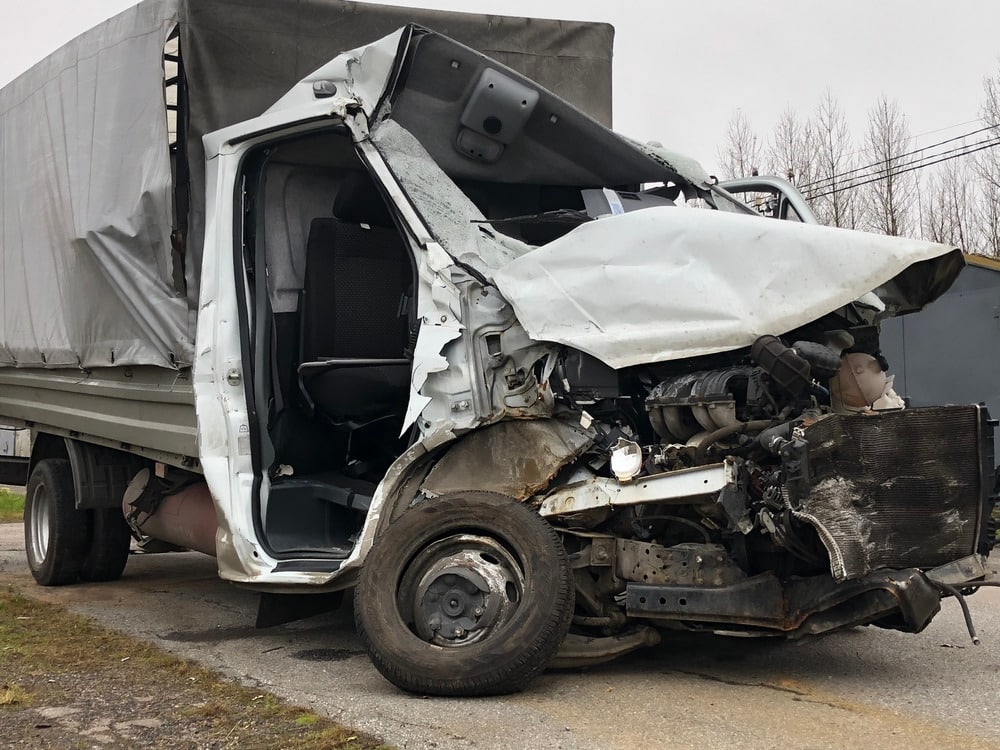
One missing document or one overlooked photo can quietly change how a truck accident is reviewed. Large commercial vehicle crashes often leave behind more than damaged vehicles because they also create a long list of records, reports, and facts that deserve careful attention.
Small details may seem unimportant at first, yet they often help explain what really happened and how the accident affected those involved. People searching for legal help for victims of truck accidents often discover that careful documentation and complete information can make the review process much clearer. Here are the details that deserve a closer look.
The Importance of Small Details
Truck accidents usually involve more information than many other traffic collisions. A single crash may include commercial vehicles, company records, driver information, maintenance reports, and several witnesses. Looking only at the obvious damage may leave important facts unnoticed.
Small details often help explain how the accident happened and what events took place before and after the collision. They can also support medical records, accident reports, and other information reviewed during the claim process. A complete picture is often built from many small pieces instead of one major fact.
Types of Small Details That May Matter
Many details can become important during a truck accident review. Some may seem ordinary at first, but together they help create a better understanding of the incident. Looking closely at these details can help explain how the accident happened, what damage was caused, and how the injuries affected daily life.
Photos and Videos From the Accident Scene
Photos and videos taken shortly after the accident can provide valuable information about vehicle positions, road conditions, traffic signs, skid marks, and visible damage. These images may help create a clearer picture of what happened before and after the collision.
Witness and Police Information
Witnesses may remember details that are not included in photographs or noticed by the people involved. Police reports can also contain observations, diagrams, and other information that helps explain the circumstances surrounding the accident.
Medical Records and Treatment Notes
Medical records help connect injuries to the accident and show the treatment received over time. Follow-up appointments, test results, and physician notes can explain how injuries developed and whether additional care was needed during recovery.
Truck Records and Driver Information
Commercial trucks are often required to keep maintenance records, inspection reports, and driver logbooks. These documents may provide information about the vehicle’s condition, scheduled maintenance, driving hours, and other details that become part of the overall review.
Financial and Personal Records
Receipts for repairs, medical expenses, transportation costs, and records showing missed work may help explain the financial effects of the accident. Personal notes about changes in daily activities can also provide useful information about how the injuries affected normal routines.
How Legal Support Can Help You Benefit From Small Details
Small details often have greater value once they are reviewed together instead of separately. Legal professionals understand how different records may connect and why they deserve careful attention during the claim process.
They may help by reviewing available documents, organizing evidence, requesting additional records, and making sure important information is not overlooked. This process can include examining accident reports, medical records, photographs, witness information, and other documents connected with the crash.
Legal support may also help identify gaps in the available information. If certain records are missing or incomplete, additional documentation may be requested to create a clearer picture of what happened. Every truck accident has unique facts, so reviewing all available details carefully helps ensure the circumstances are fully understood.
Looking at the Complete Picture
Truck accident claims are rarely based on one document or one piece of evidence. They are usually built through careful review of many different records collected over time.
Accurate documentation, organized records, and consistent medical information can help present a clearer account of the accident. Reviewing every available detail also reduces the chance that useful information will be overlooked during the process.
Each accident has different circumstances, different evidence, and different outcomes. Taking time to gather complete information allows every part of the situation to be considered instead of relying only on the most obvious facts.
Every Detail Has Its Place
Truck accidents often leave behind more information than people first realize. Small details collected from the accident scene, medical treatment, witness accounts, and official records can all contribute to a better understanding of what happened. Keeping these records organized and complete allows the circumstances of the accident to be reviewed more accurately.
For those seeking legal help for victims of truck accidents, having this information readily available can make it easier to assess the situation, identify important details, organize supporting evidence, and better understand the claims process. Although every case is different, careful attention to even the smallest facts can help create a stronger and more complete picture of the accident.