Introduction:
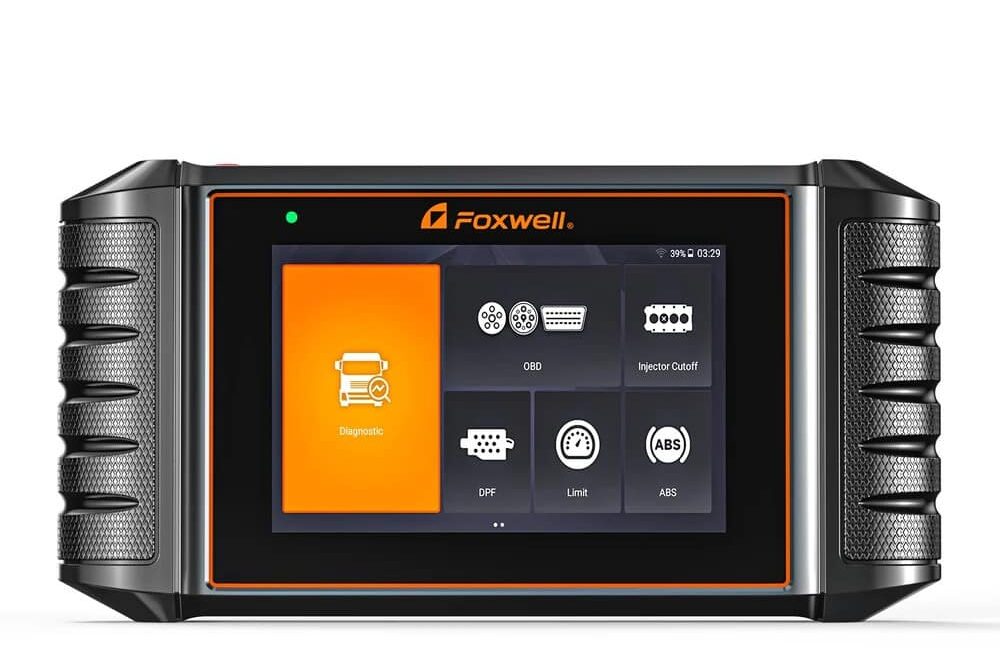
The Foxwell HD500 truck scanner is an example of the kind of diagnostic equipment that helps professionals and experienced owners access this growing amount of vehicle information. Rather than relying only on visual checks or basic fault code readers, technicians now increasingly use advanced diagnostic tools to understand what’s happening beneath the surface of the vehicle.
Shift Toward Electronic Systems in Trucks
- Modern trucks rely on several electronic control units (ECUs) to keep track of important vehicle functions.
- Important systems like the engine, transmission, braking system, and emissions control continuously produce data about their operation.
- These electronic systems work together to enhance the truck’s performance and efficiency.
- Many problems that occur in modern trucks cannot be detected by simply looking at the vehicle or checking its parts manually.
- Warning lights on the dashboard can signal issues such as sensor malfunctions, communication problems, or software errors.
- To get an accurate diagnosis, it is often necessary to use electronic diagnostic tools to access detailed vehicle information.
- As technology in trucks continues to improve, diagnostic equipment has become a standard part of regular maintenance, rather than just an extra tool.
Why Basic Code Readers Are No Longer Enough
Standard OBD2 scanners help read generic fault codes and reset warning lights. However, they generally only offer limited information about the actual cause of an issue. For instance, the check engine light might signal a problem in the emissions system, but the code itself often doesn’t explain exactly why the issue occurred.
Without extra diagnostic data, replacing parts becomes a matter of trial and error. An advanced heavy-duty truck scanner can communicate with multiple vehicle modules, display live operating data, and help identify the root cause of a problem before any repairs begin. This improves the accuracy of diagnosis and reduces the need for unnecessary part replacements.
The Value of Live Vehicle Data
One of the biggest changes in today’s vehicle maintenance is the use of real-time data. Technicians no longer rely only on scheduled maintenance or visible symptoms. Instead, they can monitor how different vehicle systems perform while the truck is running.
Live data may include:
- Engine temperature
- Fuel system performance
- Turbo boost pressure
- Transmission temperature
- Sensor readings
- Battery voltage
By viewing this information, maintenance decisions can be made based on actual vehicle conditions, rather than assumptions. It also helps identify potential issues before they develop into major failures.
Real-World Example: Diagnosing a Diesel Truck Derate Issue Caused by DPF Problems
Actual Application Scenarios:
A small delivery fleet operating diesel trucks in the United States encountered an unexpected power loss in one of its vehicles. After several instances of short-distance driving and prolonged idling, the truck began displaying a check engine light and a DPF warning. The driver also noticed that the vehicle was struggling to accelerate, as it had entered engine derate mode to protect the emissions system.
Rather than transporting the truck directly to a repair shop, the fleet technician used a Foxwell HD500 heavy-duty truck scanner to determine the cause of the problem.
By connecting to the truck’s diagnostic system, the technician was able to:
- Read fault codes related to the engine and aftertreatment system
- Check DPF-related data and assess soot accumulation levels
- Monitor exhaust temperature sensor readings
- Review real-time engine operating parameters
The diagnostic findings indicated that excessive soot buildup in the DPF system was the root cause of the issue. Using the data, the technician carried out the necessary regeneration process and confirmed that the emissions system was functioning normally again.
This case highlights how advanced diagnostic tools can assist fleet operators in minimizing downtime, avoiding unnecessary part replacements, and making informed repair decisions based on real vehicle data instead of guesswork.
Supporting Preventive Maintenance
Preventive maintenance is becoming more data-driven. Electronic diagnostics help detect abnormal readings that might indicate wear before a warning light comes on.
This approach offers multiple advantages:
- Earlier identification of developing problems
- Reduced unexpected downtime
- More accurate repair planning
- Lower long-term maintenance costs
- Better understanding of the vehicle’s overall health
Whether a truck is used for commercial work, towing, or daily commuting, accurate diagnostics help make better-informed maintenance decisions.
Understanding Modern Diagnostic Tools
As truck technology continues to advance, diagnostic tools are also evolving to match this progress. Devices like the Foxwell HD500 truck scanner are designed to connect with supported vehicle systems, retrieve diagnostic information, and display real-time operating data.
These tools don’t replace the need for mechanical knowledge. Instead, they complement traditional repair methods by giving additional insight into electronic systems. Combining technical expertise with accurate diagnostic data allows technicians to investigate problems more efficiently and verify repairs with greater confidence.
Looking Ahead
Future trucks are expected to include even more connected technologies, software-controlled features, and advanced driver assistance systems. As electronic complexity increases, diagnostic information will become even more valuable during maintenance and repair.
Understanding vehicle data is no longer limited to dealerships or specialized repair shops. Modern diagnostic practices continue to play an important role in helping owners and technicians maintain vehicle reliability while avoiding unnecessary repairs.
FAQs
1. What is the Foxwell HD500 used for?
The Foxwell HD500 is a heavy-duty truck scanner designed to diagnose diesel trucks and commercial vehicles.
2. Can the HD500 Perform DPF Regeneration on All Vehicles?
The Foxwell HD500 can perform DPF regeneration on certain diesel vehicles that have compatible systems and service functions.
3. Can the Foxwell HD500 read and clear diagnostic trouble codes?
Yes. The HD500 can read, diagnose, and clear fault codes from supported vehicle systems. It also provides access to live data streams, which helps in identifying and troubleshooting problems effectively.
4. Does the Foxwell HD500 support live vehicle data?
Yes. The scanner offers real-time live data, allowing users to monitor engine performance, sensor readings, and other vehicle parameters for more accurate diagnostics.
5. Is the Foxwell HD500 suitable for professional workshops and fleet maintenance?
Yes. The Foxwell HD500 is suitable for both professional technicians and fleet maintenance teams. Its advanced diagnostic features, specialized service functions, and wide range of supported vehicles make it a reliable tool for regular maintenance and troubleshooting.
Conclusion
Truck maintenance has changed significantly as electronic systems have become more sophisticated. While traditional mechanical inspections are still important, they are no longer sufficient for diagnosing many modern vehicle issues. A reliable heavy truck diagnostic tool, such as the Foxwell HD500 scanner, supports accurate troubleshooting by providing access to vehicle data that can’t be seen through visual inspection alone. As trucks continue to evolve, informed diagnostics will remain a key part of efficient and reliable maintenance.