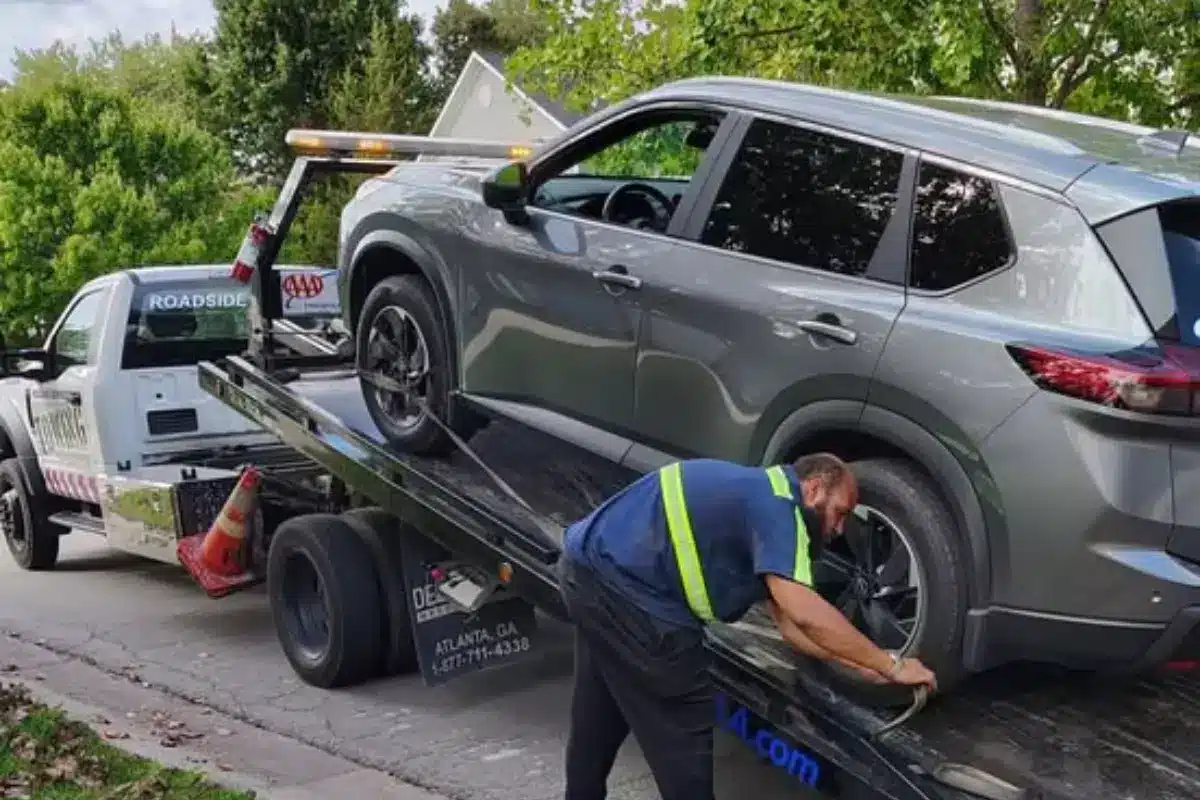
The Rogue is Nissan’s best-selling vehicle and is a popular compact crossover among consumers. The 2021 model year marked the Rogue’s third and current generation. Popularity has not meant that the Rogue is without known problems or issues, of course.
Recalls for the Rogue

The following are among the most significant recalls affecting the 2021-2026 Nissan Rogue.
VC-Turbo Engine Bearing Failure (25V-437): Nissan recalled certain 2021-2024 Rogue SUVs equipped with the 1.5-liter VC-Turbo three-cylinder engine because manufacturing defects in the engine bearings or related components could cause engine damage and eventual failure. Warning signs may include abnormal engine noise, rough operation, warning lights or messages in the instrument cluster. Dealers inspect the engine oil pan for metal debris. Depending on the inspection results, the repair may include an oil change, replacement parts or a new engine.
Engine Oil Temperature and Bearing Seizure (26V-080): This later campaign expanded the earlier engine recall to include 323,917 model-year 2023-2025 Rogues equipped with the 1.5-liter VC-Turbo engine. Nissan found that increased engine oil temperatures could degrade lubrication and cause the bearings to seize. That can result in engine damage, loss of power or an inability to restart. In rare cases, bearing failure could breach the engine block and discharge hot oil, creating a fire risk. Dealers reprogram the engine control module, check for diagnostic trouble codes and test-drive the vehicle. Further inspection or engine replacement may be required.
Some Rogues included in 26V-080 were already covered by 25V-437. The affected populations overlap and should not be added together to estimate the total number of unique vehicles recalled.
Electronic Throttle Body Failure (26V-081): Nissan recalled 318,781 model-year 2024-2025 Rogues because software controlling the electronic throttle chamber could place repeated stress on an internal gear. If the gear fractures, broken pieces can interfere with throttle operation and cause a loss of drive power. Dealers reprogram the engine control module, inspect the electronic throttle chamber and replace it when necessary.
Rearview Camera Failure (24V-748): Certain 2024-2025 Rogue SUVs were recalled because a software error could cause the rearview camera to display a blank screen when the vehicle was shifted into reverse. This reduced rear visibility and failed to meet federal safety requirements. Nissan addressed the problem with an infotainment software update performed by a dealer or delivered over the air.
Driver Airbag Inflator (24V-154): Certain 2023 Rogue SUVs were included in a broader Nissan recall involving driver-side airbag inflators that may have absorbed moisture because of a manufacturing problem. The defect could prevent the airbag from deploying properly in a crash. Dealers inspect and replace affected driver airbag assemblies at no cost.
Rear Seat Belt Anchors (23V-374): Certain 2023 Rogues were recalled because the rear seat belt anchor fasteners may not have been tightened properly. A loose anchor may not adequately restrain an occupant during a crash. Dealers inspect and tighten the fasteners as required.
Rogue Technical Service Bulletins

Technical service bulletins are instructions issued by manufacturers to help dealership technicians diagnose and repair specified conditions. A TSB does not necessarily mean a problem is widespread, and unlike a recall, it does not automatically require the manufacturer to repair every affected vehicle.
Infotainment & Display (TSB NTB22-062): Addresses an issue where the infotainment system reboots every 4 to 5 minutes on 2021–2022 models.
Steering Wheel Off-Center (TSB NTB08-097): Procedures for diagnosing and fixing vehicle pull or drifting issues.
Rear Suspension Noise (TSB NTB24-011): Addresses clicking, rattling, or squeaking from the rear shock mounts.
Low-Speed Vibration (TSB NTB23-051): Fixes binding or vibrations felt from the rear when turning at low speeds.
Nissan Rogue Known Issues

The following are known issues taken from owner forums, social media posts, and technician statements. These are the most commonly reported problems that aren’t covered by a recall or TSB.
Oil Dilution & Maintenance: Owners note that the VC-Turbo engine is prone to fuel dilution in the oil, particularly in cold weather, leading many in owner communities to strictly change their oil every 5,000 miles.
Paint & Windshield Issues: There are owner reports of fragile paint prone to chipping, as well as incidents of the rear windshield shattering. This issue is widely reported among many Nissan models.
Touchscreen Freezes: Higher trims (such as the Platinum) equipped with the 12.3-inch display frequently experience intermittent black screens and frozen audio/navigation systems.
Sensor & Safety Glitches: Owners note that the advanced safety sensors (like automatic emergency braking and adaptive cruise control) can be overly sensitive or malfunction in poor weather conditions.
Gas Smell in Cabin: Some drivers report a noticeable gasoline odor inside the cabin, particularly in the 2022-2026 1.5L models.
Road & Wind Noise: Poor sound insulation makes the Rogue’s cabin noticeably loud at highway speeds.
Engine and Transmission Known Problems for the Rogue

The 2021 Rogue used a naturally aspirated 2.5-liter engine before Nissan changed to a more efficient 1.5-liter turbocharged three-cylinder for 2022. Both engines are mated to a continuously variable transmission (CVT) that has been an efficiency godsend and a bane of drivers ever since its inception. This newer CVT uses a more robust metal belt in its operation, which should alleviate most of the failures of the previous CVTs used. But technicians often cite it as a weak point in the Rogue’s drivetrain.
Finicky Engine: The VC-Turbo design requires more precise preventive care. Some owners suggest changing the engine oil every 5,000 miles to prevent fuel dilution and maintain turbo longevity. Nissan also issued a recall for bearing failure on a subset of these 1.5L engines (see above).
CVT Transmission Quirks: While less prone to catastrophic mechanical failure than earlier Rogue generations, the revised CVT still exhibits jerky behavior, lag, and odd noises when cold. Some technicians recommend changing the transmission oil more frequently than the owner’s manual recommends.
How To Check For Recalls On Your Nissan

The easiest way to check for current recalls that may affect your Rogue is to visit the National Highway Traffic Safety Administration (NHTSA) Recalls page and enter your license plate or 17-digit vehicle identification number (VIN) to search. You can also do this at the Nissan Safety Recalls page.