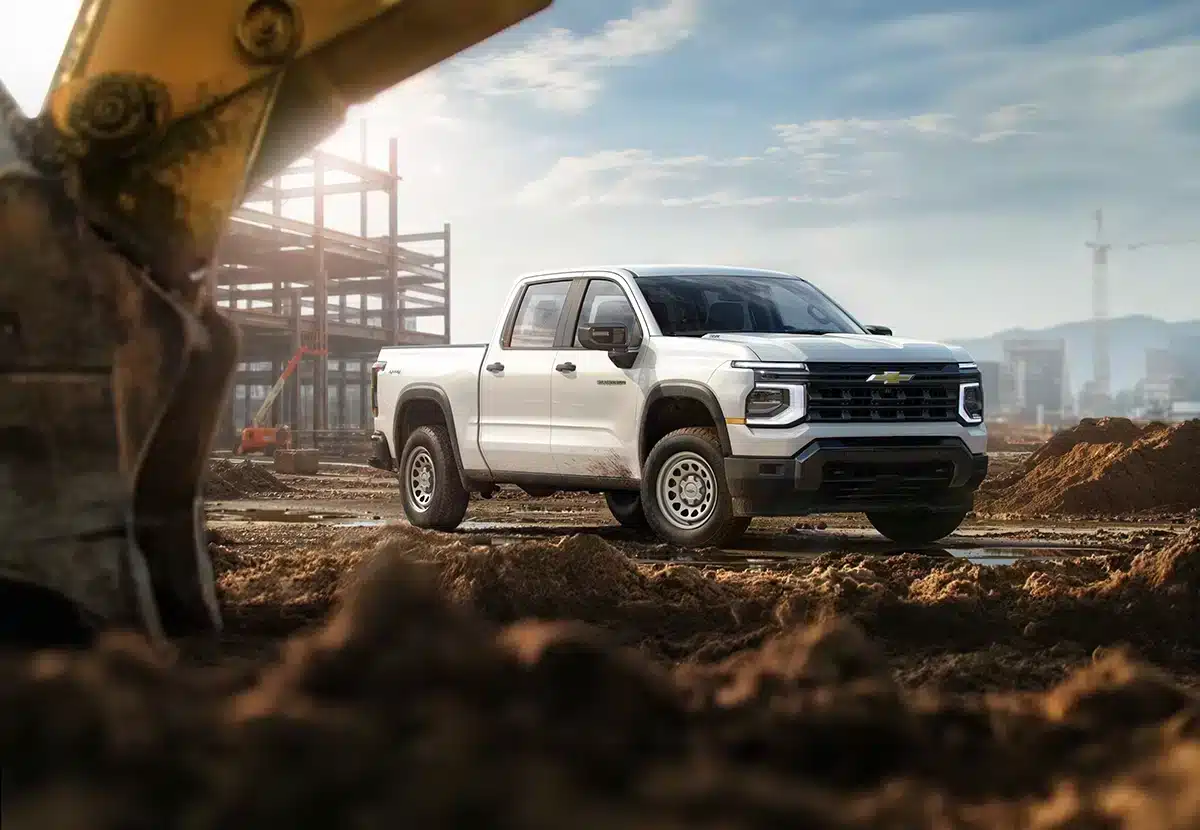
When the new 2027 Chevrolet Silverado 1500 and GMC Sierra 1500 were revealed, much of the attention focused on next-generation V8 engines, redesigned interiors and nearly 60 inches of digital displays.
One important powertrain, however, quietly returned with expanded availability.
The 3.0L Duramax diesel is back for 2027 and, for the first time, Chevrolet is making it available in the Silverado Work Truck. That means more buyers than ever can choose the inline-six diesel, whether they’re shopping for a fleet truck, a daily driver or a fuel-economy champion.
With the engine taking on a bigger role in GM’s full-size truck lineup, I revisited my exclusive interview with GM Assistant Chief Engineer of Diesel Engines John Barta. While the conversation took place when the LZ0 engine debuted, many of his insights remain just as relevant for anyone considering a 2027 Silverado 1500 3.0L Duramax or Sierra with the diesel engine.
That’s especially true after the engine weathered last year’s thrust bearing engine failure issue. Despite that setback, I still believe the 3.0L Duramax has largely proven itself to be one of the most reliable half-ton diesel engines on the market.
Why GM Didn’t Replace the Duramax, Just Refined It
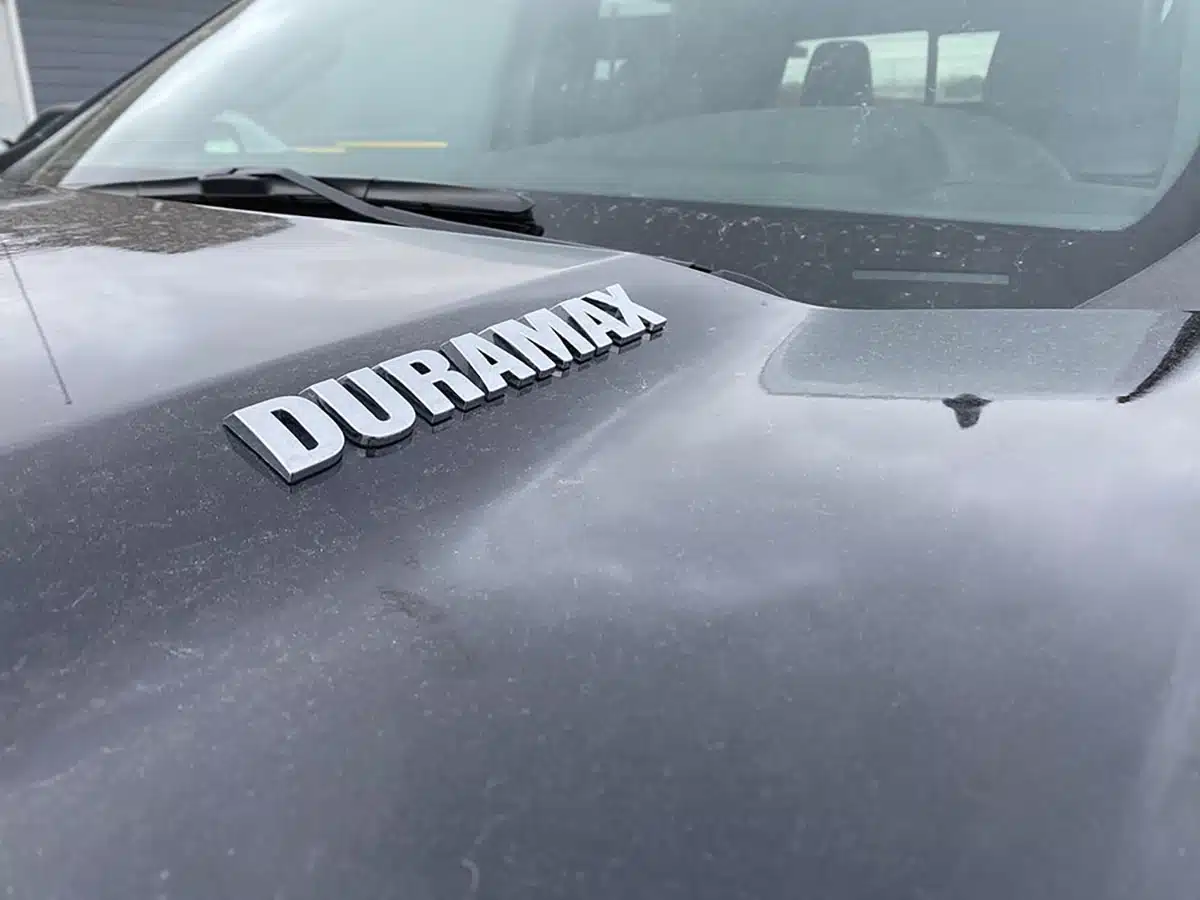
While Chevrolet completely redesigned its V8 lineup for 2027, GM didn’t feel the need to start over with the 3.0L Duramax.
According to Barta, that’s because the current LZ0 wasn’t simply a minor update over the original LM2 diesel. Roughly one-quarter of the engine was redesigned to improve performance, durability and long-term reliability while keeping everything owners already appreciated about the engine.
The updates included steel pistons replacing aluminum pistons, longer connecting rods, revised fuel injectors, a revised camshaft, turbocharger improvements and numerous cooling and lubrication refinements.
Those changes increased output to 305 horsepower and 495 lb-ft of torque without sacrificing the smooth, quiet driving characteristics and incredible fuel-sipping ability that helped make the engine one of my favorite half-ton truck powertrains.
More Power Without Losing Low-End Torque

One question I specifically asked Barta was whether the added horsepower and torque came at the expense of the diesel’s excellent low-rpm performance.
It didn’t.
The engine still produces 460 lb-ft of torque at just 1,500 rpm, giving it the effortless pulling power owners appreciate while towing or merging onto the highway.
Instead of chasing bigger numbers everywhere, GM focused on adding torque higher in the rev range while preserving the low-end response that made the original engine feel so strong.
That’s a decision truck owners are likely to appreciate far more than simply posting a larger torque number on a spec sheet.
The Fuel Economy Isn’t Just Marketing
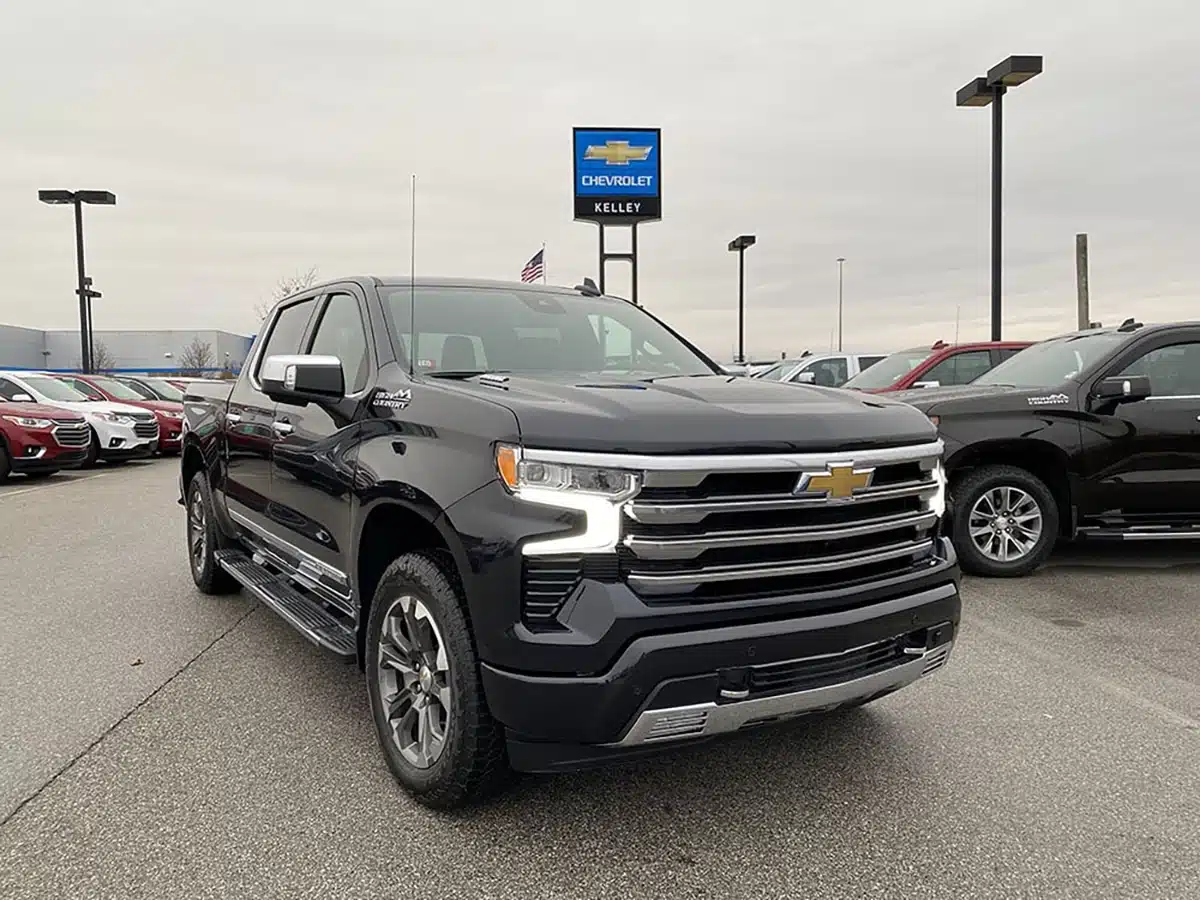
During my interview, Barta repeatedly returned to one theme: efficiency.
He explained that many of the changes made to the LZ0 weren’t simply about increasing horsepower. Engineers also focused on reducing internal losses by improving coolant flow, simplifying the thermal management system and refining numerous small details throughout the engine. Those improvements help the diesel deliver excellent fuel economy while still producing nearly 500 lb-ft of torque.
I’ve seen those improvements firsthand.
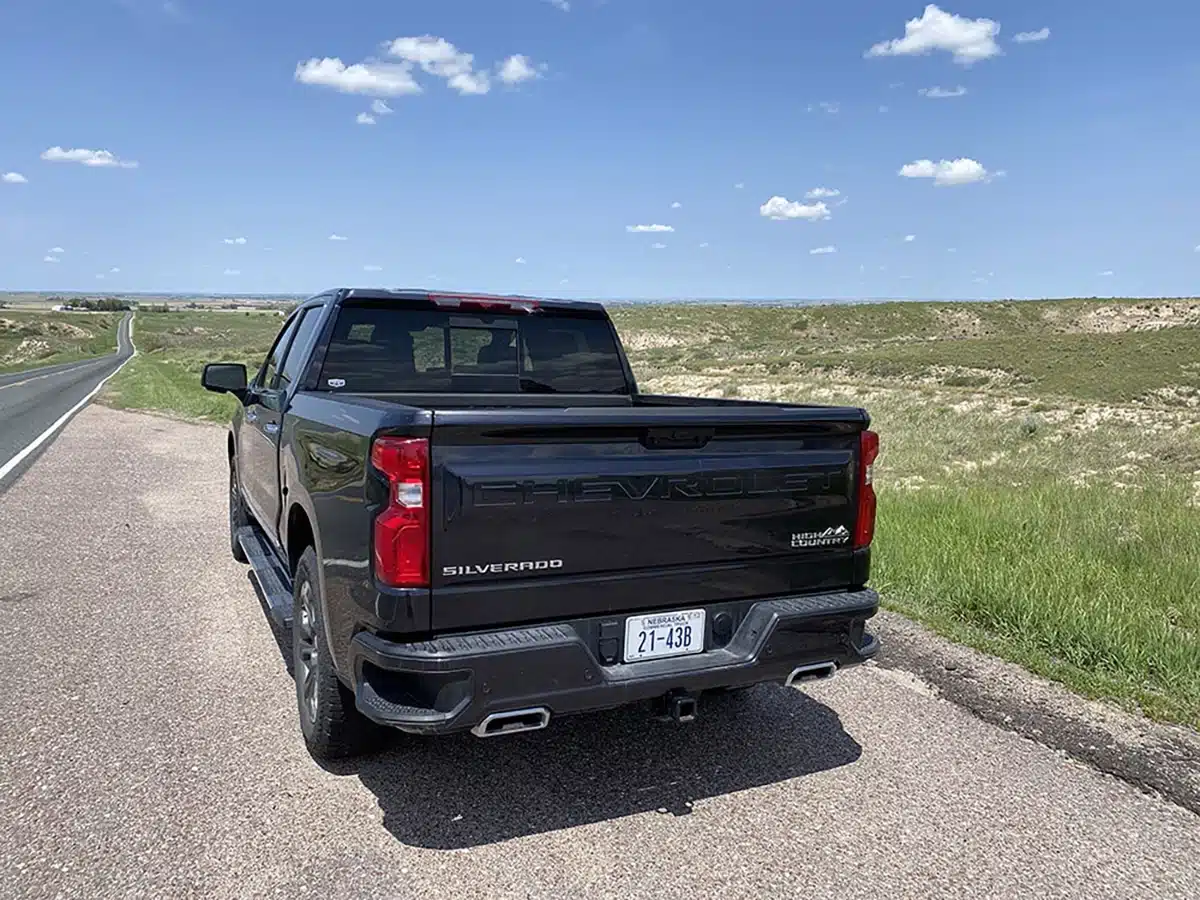
After six months of owning a 2023 Chevrolet Silverado 1500 High Country equipped with the LZ0 Duramax, I consistently averaged fuel economy in the mid-20 mpg range during everyday driving. On longer highway trips, seeing high 20s mpg wasn’t unusual. Seriously, it wasn’t that unusual. And I can’t stress this enough. That’s an impressive number for a full-size four-wheel-drive pickup capable of towing more than 13,000 pounds when properly equipped.
That’s one of the biggest reasons I continue recommending this engine.
Yes, diesel fuel costs more than gasoline and diesel oil changes cost more. Passing gas stations because you simply don’t need fuel has a value that’s hard to appreciate until you own one. On road trips, you will need to pull over for bathroom stops far more often than fuel. And during a month of daily driving, you simply won’t need to fill up nearly as often as you’d have to with a gas truck.
Those things really add up to a better ownership experience.
GM Used Real-World Owner Feedback
One of the more interesting parts of my conversation with Barta had nothing to do with horsepower.
Instead, he discussed how GM studies warranty claims and owner feedback to determine where improvements should be made.
Many of the updates incorporated into today’s LZ0 engine came directly from lessons learned after the original LM2 reached customers.
Those changes include improvements to cooling, lubrication and emissions hardware designed to improve long-term durability while meeting increasingly stringent emissions standards.
That’s something many truck buyers never see, but it’s often where the biggest engineering gains are made. Sure, people don’t like being real-life testers and would prefer GM did all the testing first, but no matter how much GM tests they just can’t ever replicate every single situation nor account for owner’s personal preferences.
The bottom line is it is nice to hear automakers listen and then incorporate those changes.
The Long-Crank Mystery Finally Explained

One complaint some early Duramax owners experienced was an intermittent long crank or occasional no-start condition.
Barta confirmed engineers traced the problem to a supplier manufacturing issue involving a slightly bent exciter wheel that could occasionally confuse the engine’s position sensors during startup.
Rather than replacing major engine components, GM developed updated engine calibration software.
The revised software simply allows the engine to rotate one additional revolution before injecting fuel, giving the engine computer enough information to accurately determine crankshaft position.
The result is roughly four-tenths of a second longer startup time while virtually eliminating the intermittent no-start issue.
It’s a good example of how software can sometimes solve what appears to be a mechanical problem.
Yes, The Oil Pump Belt Is Still There
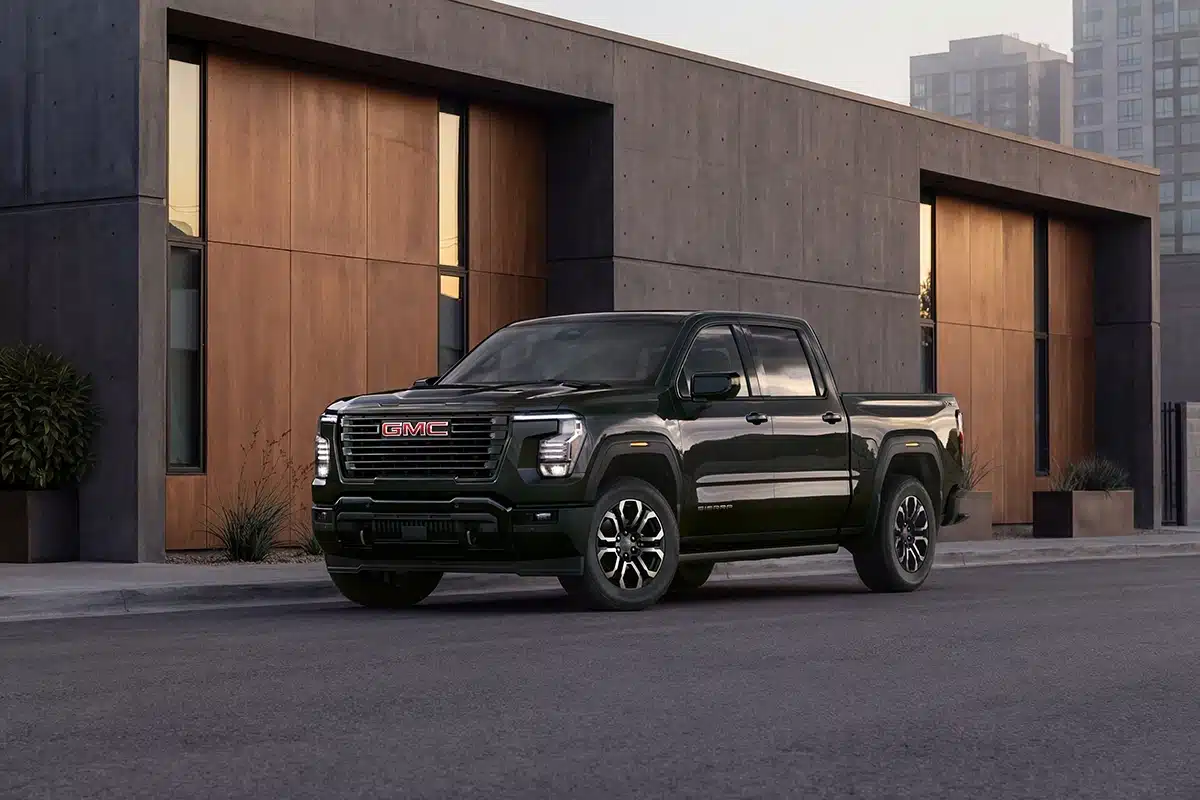
No discussion about the 2027 Silverado 1500 3.0L Duramax would be complete without mentioning the oil pump belt that eventually requires service.
The design has generated plenty of online debate since the engine launched, largely because servicing the belt requires removing the transmission to access the belt.
Why design it that way? The project requirements required a certain maximum decibel level for cabin noise. Using a chain, the preferred option by Barta and many owners, would have exceeded the decibel level. GM product planners determined the maximum decibel level after marketing research revealed most owners wouldn’t buy a diesel truck if it was too loud.
I asked Barta directly whether his team considered redesigning the engine after the significant pushback online about the oil pump belt service interval.
His answer was straightforward.
Relocating the oil pump would require redesigning much of the engine block, lubrication system and cooling system. Instead, engineers focused on validating the existing design.
GM has increased the recommended oil pump belt replacement interval from 150,000 miles to 200,000 miles.
For many owners, that means they’ll likely never need to replace it during the time they own the truck. Sure, there will be owners who will have to have this serviced and it is likely a $1-2k repair bill depending on your area as of a few years ago. This was recently updated by a well-known diesel mechanic, who posts on the Demonworks channel, to now cost $3k. It is just the tradeoff with this engine.
Why The Duramax Deserves More Attention
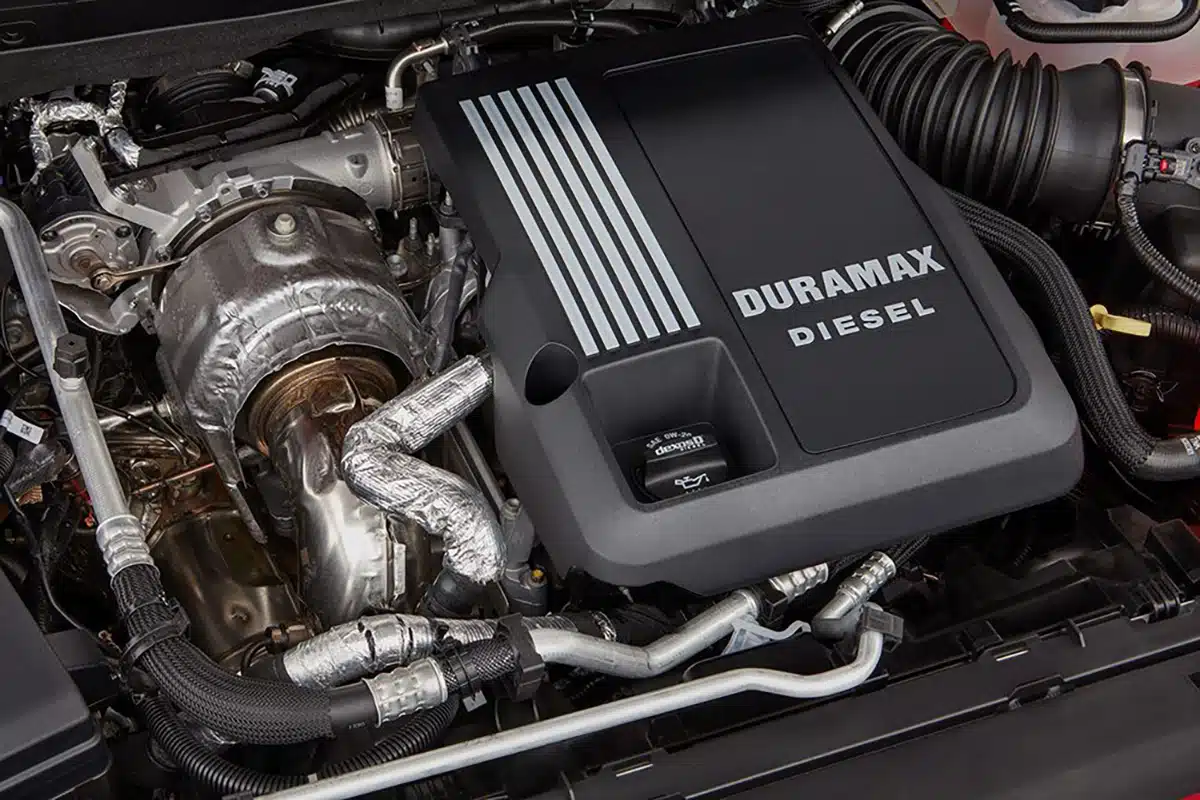
The headlines surrounding the 2027 Silverado and Sierra have understandably focused on the new V8 engines.
But don’t overlook the diesel.
Having driven every version of the 3.0L Duramax since its debut, and towing thousands of miles with it, I’ve consistently found it to be one of the most refined and fuel-efficient half-ton truck engines on the market.
It’s quiet, smooth and delivers the kind of effortless low-end torque, plus amazing fuel economy that makes every job less stressful and long highway trips more enjoyable.
The fact GM chose to expand the engine’s availability instead of replacing it tells me something important.
The engineers believe they’ve built a diesel that’s already doing exactly what truck buyers expect.
The new V8s will understandably grab the headlines because they’re brand-new engines replacing powertrains that have generated plenty of reliability questions among truck buyers. The 3.0L Duramax is different. Aside from last year’s thrust bearing issue, it has quietly built a reputation for refinement, impressive fuel economy and real-world durability. That’s why, even with GM’s all-new V8 lineup, I still think the diesel deserves a hard look.