The 3.0-liter LZ0 Duramax diesel has earned a reputation as one of General Motors’ most capable light-duty truck engines. While the engine has generally proven reliable, a small number of owners have reported thrust bearing failures leading to excessive crankshaft end play and, in some cases, complete engine replacement.
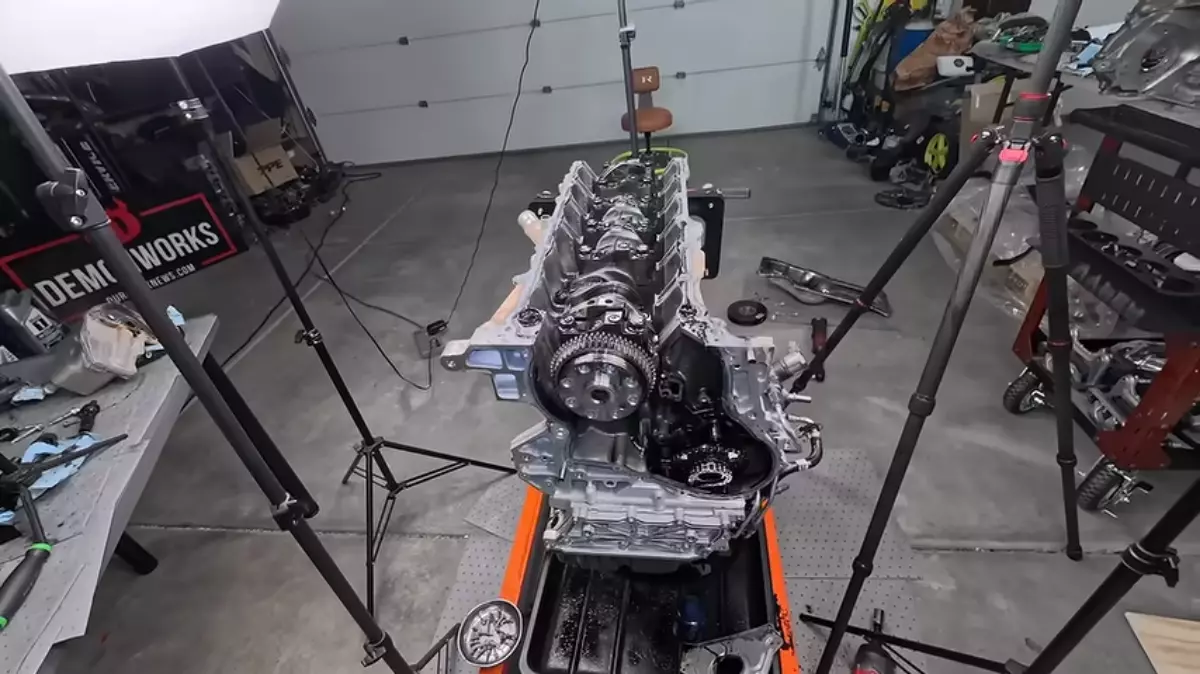
A recent teardown by DemonWorks on YouTube examined one such failed engine with roughly 7,500 miles on the odometer. What the shop found may provide new clues as to why some of these failures occur; and suggests the problem may stem from an assembly issue rather than the oil pump belt that is often blamed.
What Is a Thrust Bearing? And Can This Be Seen Before Catastrophe?
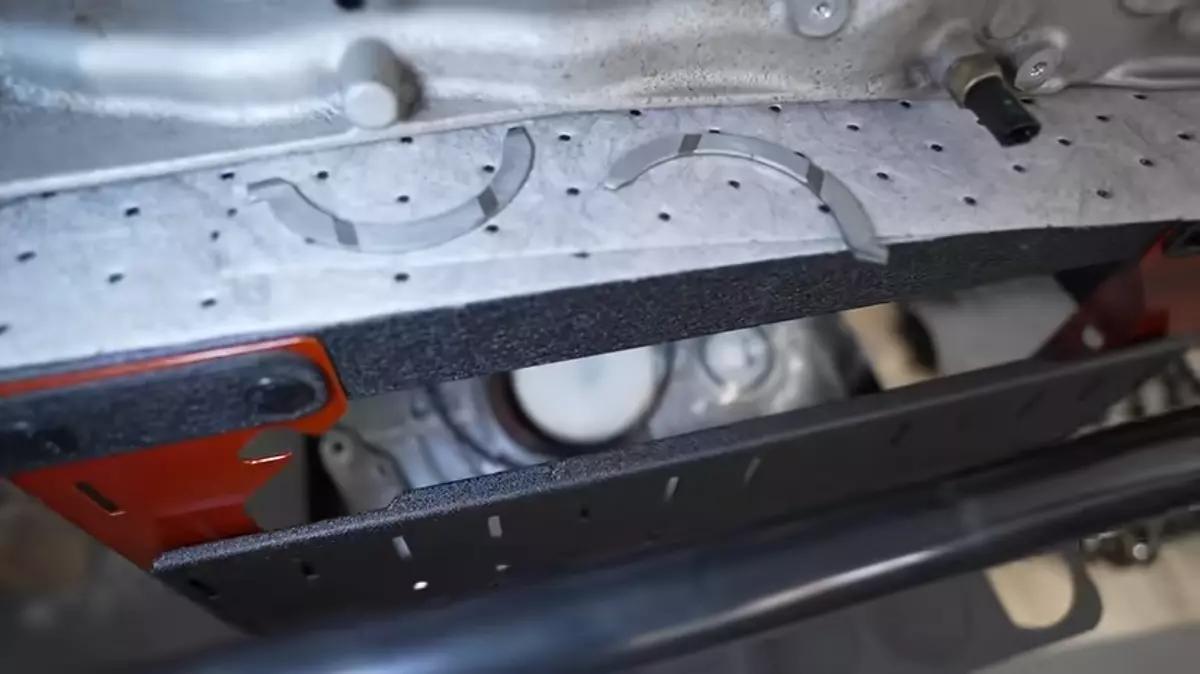
At the core of an engine is its crankshaft. Everything in the engine exists in order to turn that crankshaft and send power out the back of the engine to the wheels. The crankshaft is held into the engine block in a cradle. Where it touches that cradle, it has bearings to act as barriers so metal-on-metal contact between the shaft and the block doesn’t happen. At the ends of the crankshaft, where it protrudes from the engine block to turn timing and accessories at front and send power to the transmission at the rear, are more bearings. These thrust bearings exist to keep the crankshaft from rocking back and forth (forward and backward).
If a thrust bearing is missing or fails prematurely, the crankshaft can move forward and backward inside the engine block. That movement places abnormal loads on surrounding components, potentially affecting oil pressure, damaging oiling-system hardware, and accelerating wear throughout the rotating assembly. Once excessive end play develops, engine failure can occur rapidly.
Typically, when thrust bearings fail, most of what’s left of those bearings are found in the engine oil pan as they are chewed up by engine forces and spit out into the lowest part of the engine. In this teardown engine, however, everything was still running despite low oil pressure and significant crankshaft end play. Giving a better glimpse at the process before total catastrophe ate too much of the evidence.
Interestingly, the engine oil pan contained only one thrust bearing piece, which was unusual since the engine should have two thrust bearings controlling the crankshaft’s forward and backward movement.
This Duramax Teardown Finds the Problem
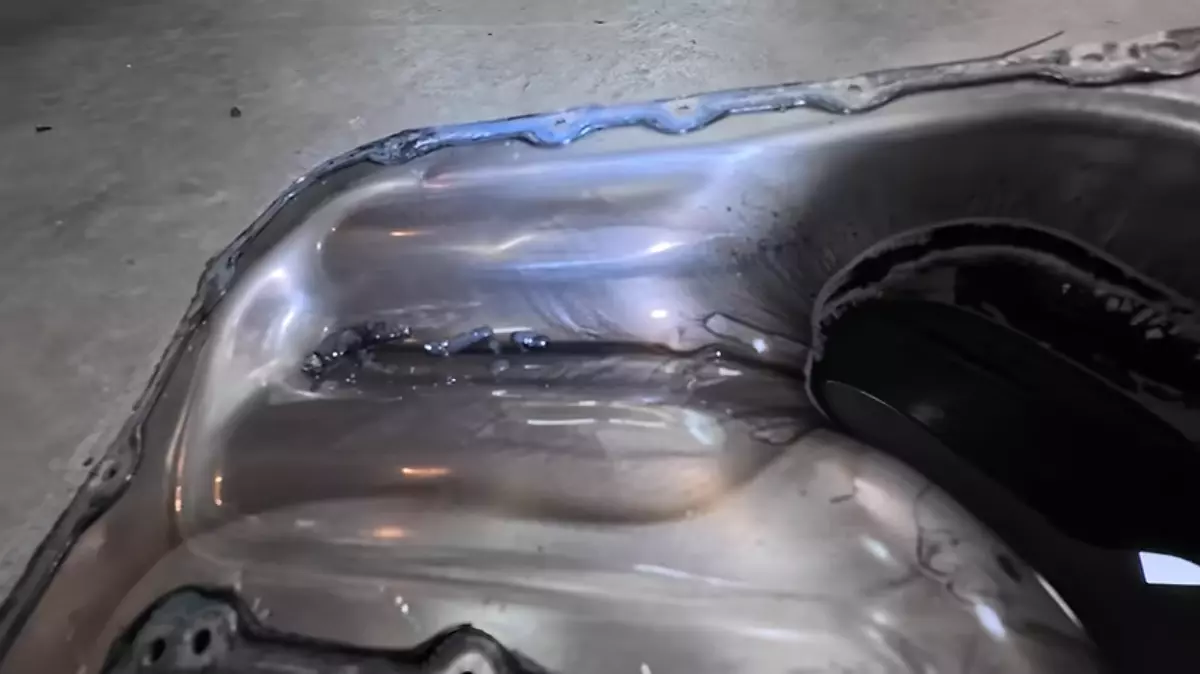
Before taking apart the engine, DemonWorks on YouTube, put a pry bar onto the crankshaft ends to test play and found that there was a significant amount of it. Normally, there shouldn’t be any. After that, draining the engine oil and removing the pan to inspect for engine pieces or metal shavings found the first evidence. Inside were pieces of a thrust bearing and other debris indicating something with screw threads had also become a victim as the engine began to die.
Once the heads came off, the problem in the engine became immediately clear. One of the oil squirters, the tiny pipes that send engine oil up behind the piston heads to lubricate and cool, was missing entirely. It appeared to have been removed so cleanly that it may not have been inserted and torqued into place correctly to start with. That explained the low oil pressure.
The oil squirters are designed to not only send oil to the underside of the piston head, but to do so with pressure. They do this by having a larger opening for the oil to arrive at the squirter and a smaller opening for its exit, creating a higher-pressure stream. Similar to a thumb on the end of a garden hose. When the squirter is gone, the oil comes out at a faster, unimpeded rate, lowering pressure.
The inspection of the engine block led to another question: nowhere in the block were the remains of another thrust bearing found. There should be two, but the chunks found in the oil pan only accounted for one. Where did the other one go? Or was it never there?
The absence of a second thrust bearing led the teardown mechanic to theorize that the engine may have left the factory with only one bearing installed. While the teardown cannot conclusively prove that scenario, the lack of identifiable bearing material elsewhere in the engine raises questions about whether an assembly error occurred during production.
Key Findings In This LZ0 Duramax Engine Teardown
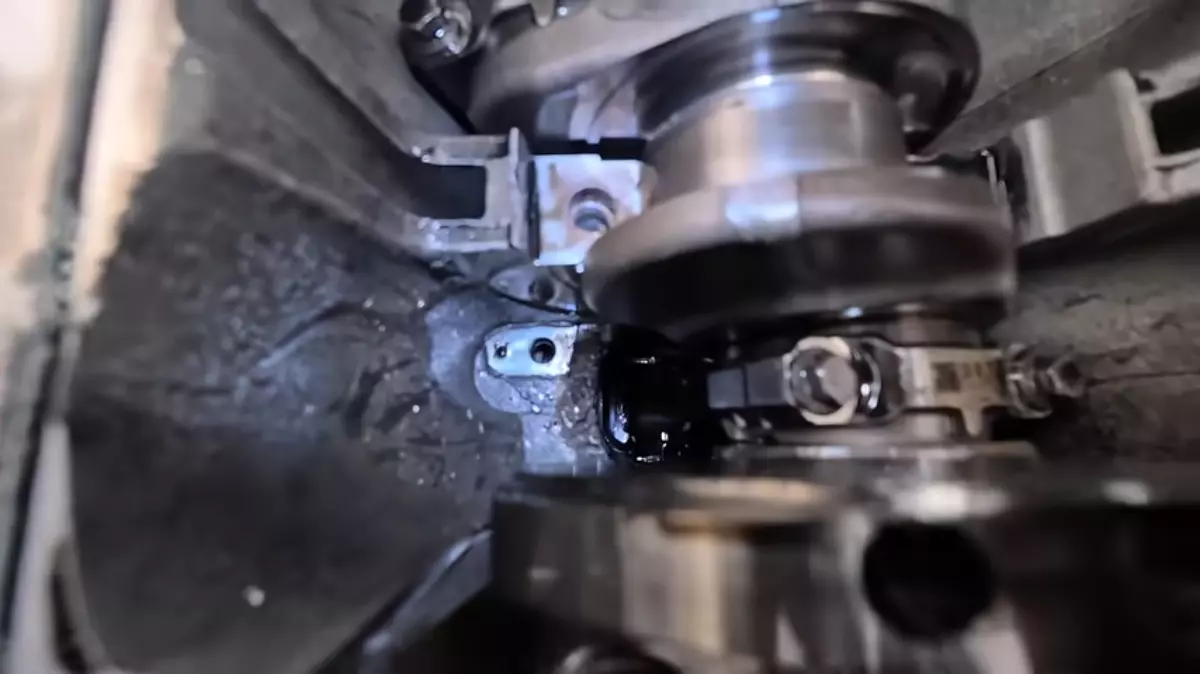
Several key findings in this latest teardown of an LZ0 indicate a manufacturing and quality assurance issue rather than a design flaw or maintenance neglect problem:
- Missing Thrust Bearing: The engine appeared to be missing one of the two thrust bearings from the factory. Only one complete thrust bearing was found, with fragments of another.
- Crankshaft End Play: The missing thrust bearing caused excessive crankshaft end play, which led to the failure.
- Oil Squirter Failure: An oil squirter in one of the cylinders was removed fairly cleanly by engine forces, indicating it was not properly torqued into place.
- Oil Pressure Loss: The excessive movement and damage/removal of the piston oil squirter contributed to low oil pressure, triggering the engine codes that stopped the engine before it cratered on itself.
- Oil Pump Belt: The oil pump belt, often blamed for failures, was found to be within acceptable limits and not the cause.
- Oil Pan Design: The original oil pan’s design retained a relatively large amount of oil during oil changes. The newer, replacement oil pan design includes a drain plug in a different location, which remedies that oversight.
What This Means for Duramax Owners
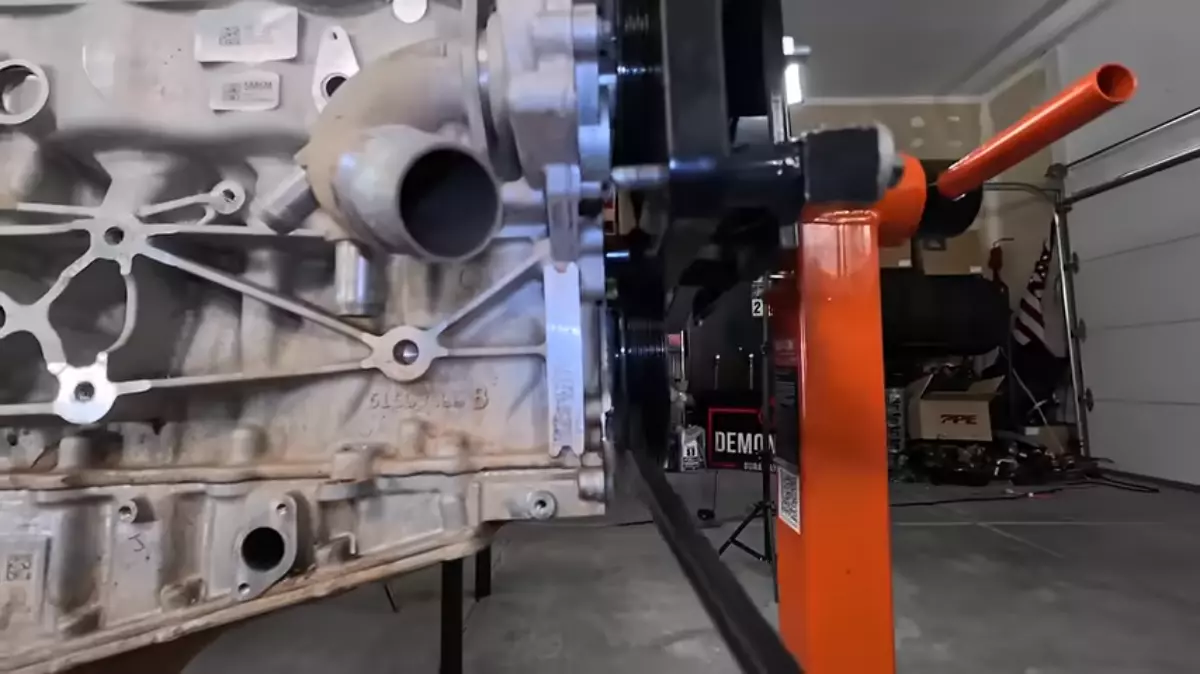
What this DemonWorks teardown suggests is that some LZ0 Duramax engines may have been assembled with only one thrust bearing instead of two. This assembly error would lead to premature bearing failure, low oil pressure, and engine damage.
For owners and mechanics, this means that checking crankshaft end play early can help identify potential issues early on. It’s also important to understand that the oil pump belt is likely not the cause of thrust bearing failures, despite often being accused of such. And it shows that GM should recognize the importance of proper assembly and quality control in engine manufacturing.
While one teardown cannot establish a definitive root cause for every LZ0 thrust bearing failure, it does provide a valuable data point. The missing bearing could be a common cause between LZ0s that are failing. The oil squirter is probably an outlying fluke, but could possibly be another indication of QA issues at the factory.
Importantly, thrust bearing failures remain relatively uncommon among the thousands of LZ0-powered trucks currently on the road. While reports continue to surface online, there is currently no evidence suggesting the issue affects a large percentage of engines.