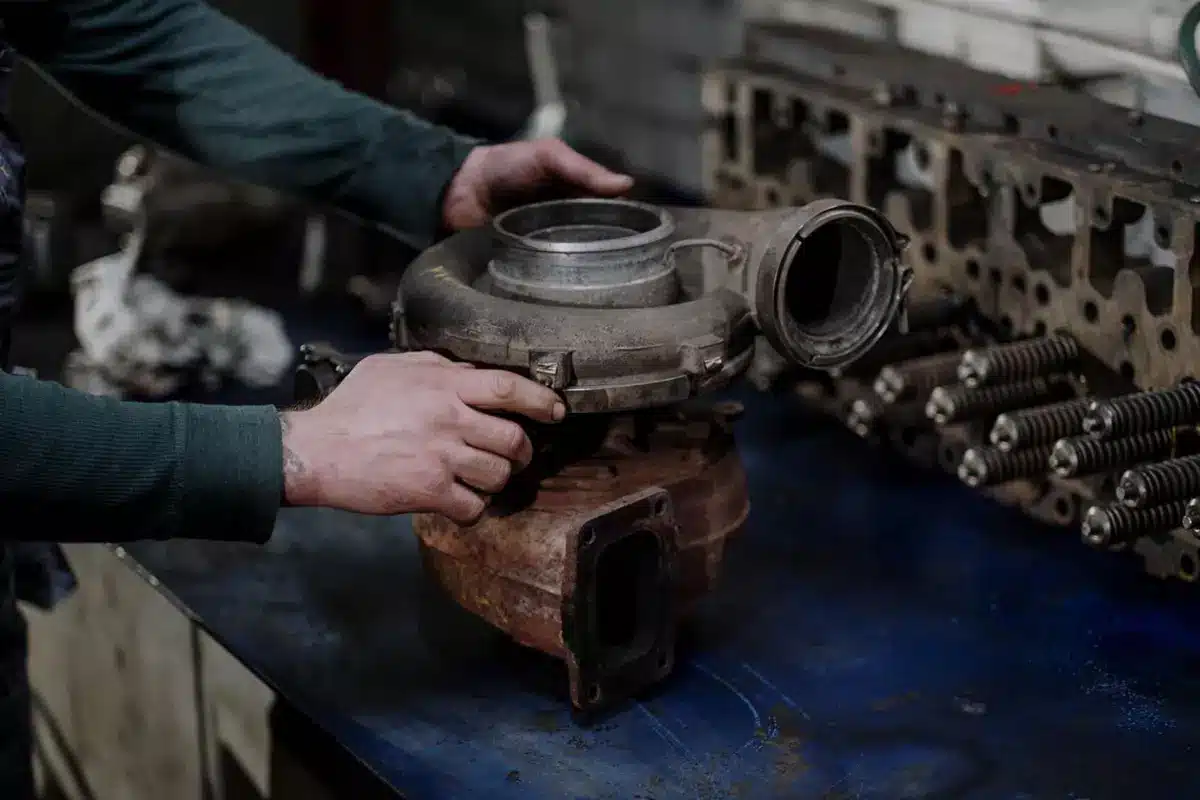
Just a decade or so ago, the idea of replacing a naturally aspirated V8 with a turbocharged V6 sparked outrage among truck buyers. Ford took a sales hit. But not for long, and other truck makers took note. Walk through any pickup truck dealership today and you’ll find that turbochargers are everywhere. Is this turbo trend adding a weak point to our trucks?
Today, engines like Ford’s EcoBoost lineup, GM’s 2.7-liter TurboMax, Toyota’s i-Force turbocharged four-cylinder, and Ram’s new Hurricane inline-six are the norm rather than the exception in full-sized trucks. Did adding more complexity to an engine mean adding more opportunities for things to break?
The answer is both yes and no. But mostly no.
(Feel free to skip ahead to the TL;DR at the end if you don’t want to read a bunch of analysis.)
Why Truck Makers Love Turbochargers
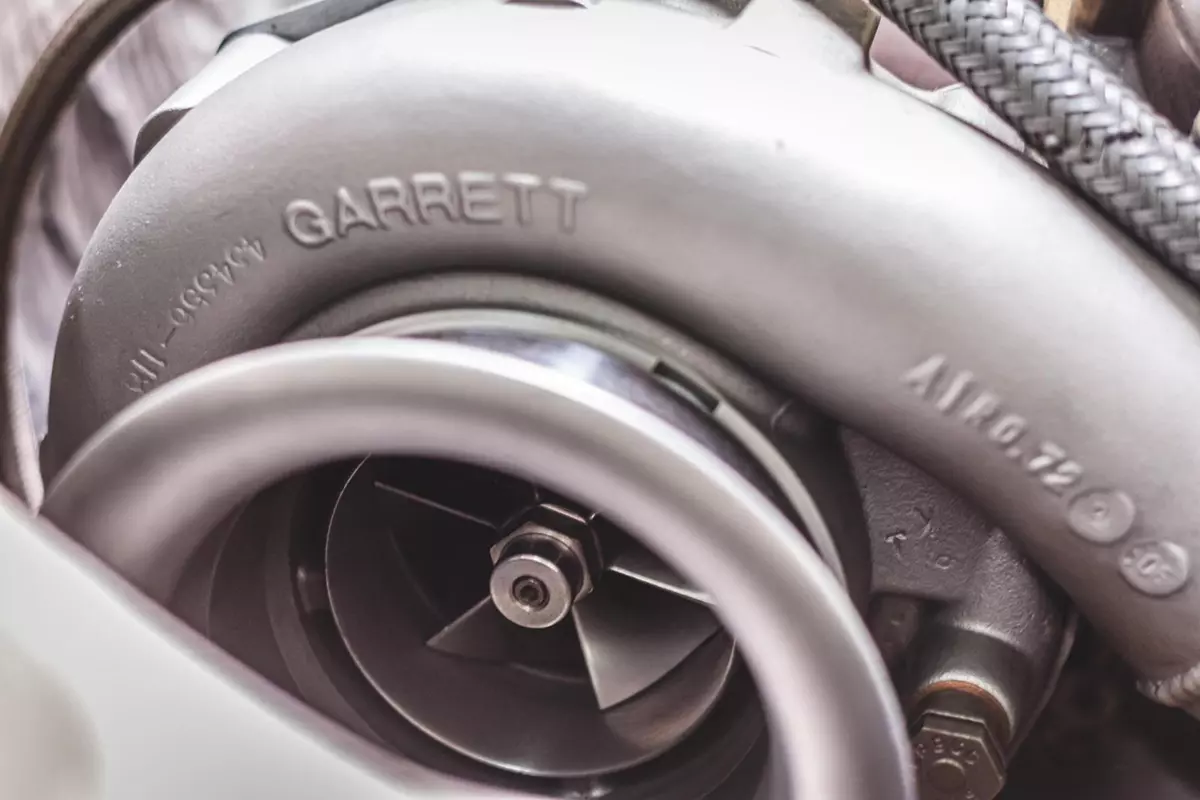
The primary reason turbochargers have become so common is simple: efficiency.
A turbocharger uses exhaust gases that would otherwise be wasted to spin a turbine. That turbine compresses incoming air, allowing the engine to burn more fuel and generate significantly more power from a smaller displacement.
The result is impressive. A modern 3.5-liter twin-turbo V6 like the one used by Ford can easily outperform the naturally aspirated V8 it replaced, and offer better fuel economy and fewer emissions while doing it.
Ram’s new 3.0-liter Hurricane inline-six generates up to 540 horsepower in high-output form, making it one of the most powerful engines ever offered in a half-ton pickup. Without turbocharging, achieving those numbers would require a much larger engine.
The Case Against Turbos
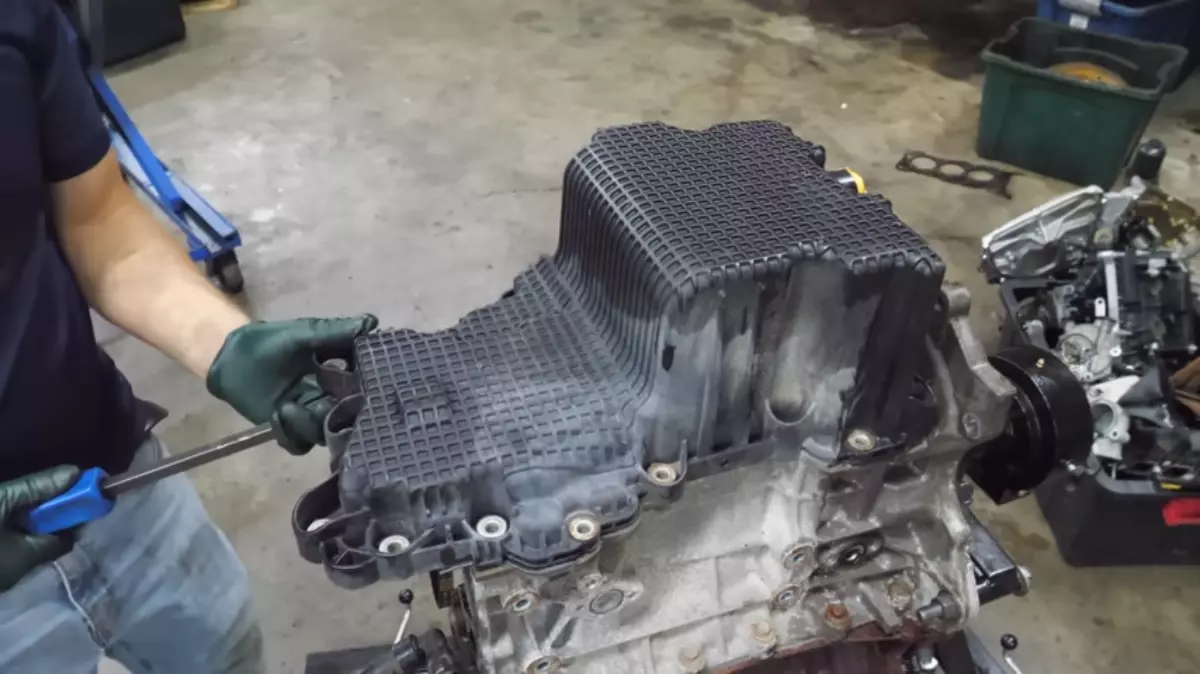
Critics aren’t wrong when they point out that turbochargers add complexity.
A naturally aspirated engine relies on relatively simple airflow. A turbocharged engine adds turbines, compressors, intercoolers, additional plumbing, electronic controls, wastegates, bypass valves, and significantly higher operating pressures.
More components mean more potential failure points. Turbochargers themselves operate under brutal conditions. It’s common for a turbo shaft to spin at well over 100,000 rpm while being exposed to exhaust temperatures exceeding 1,500 degrees Fahrenheit. That environment leaves little room for neglect. Neglect will make the turbo a weak point in a truck.
Oil quality becomes more important because the turbocharger relies on engine oil for lubrication and cooling. Delayed oil changes, low oil levels, or poor-quality oil can dramatically shorten turbo life. Drivers who regularly tow heavy loads may also place additional thermal stress on turbochargers, particularly if maintenance is ignored.
Historically, these concerns were justified. Early turbocharged gasoline engines often suffered from bearing failures, oil coking, heat-related issues, and shortened service life. Those experiences created the perception that all turbochargers are ticking time bombs But they aren’t. There just isn’t data from modern turbocharged engines to support it. Most failures are in maintenance, not turbo design.
Modern Turbos Are Better
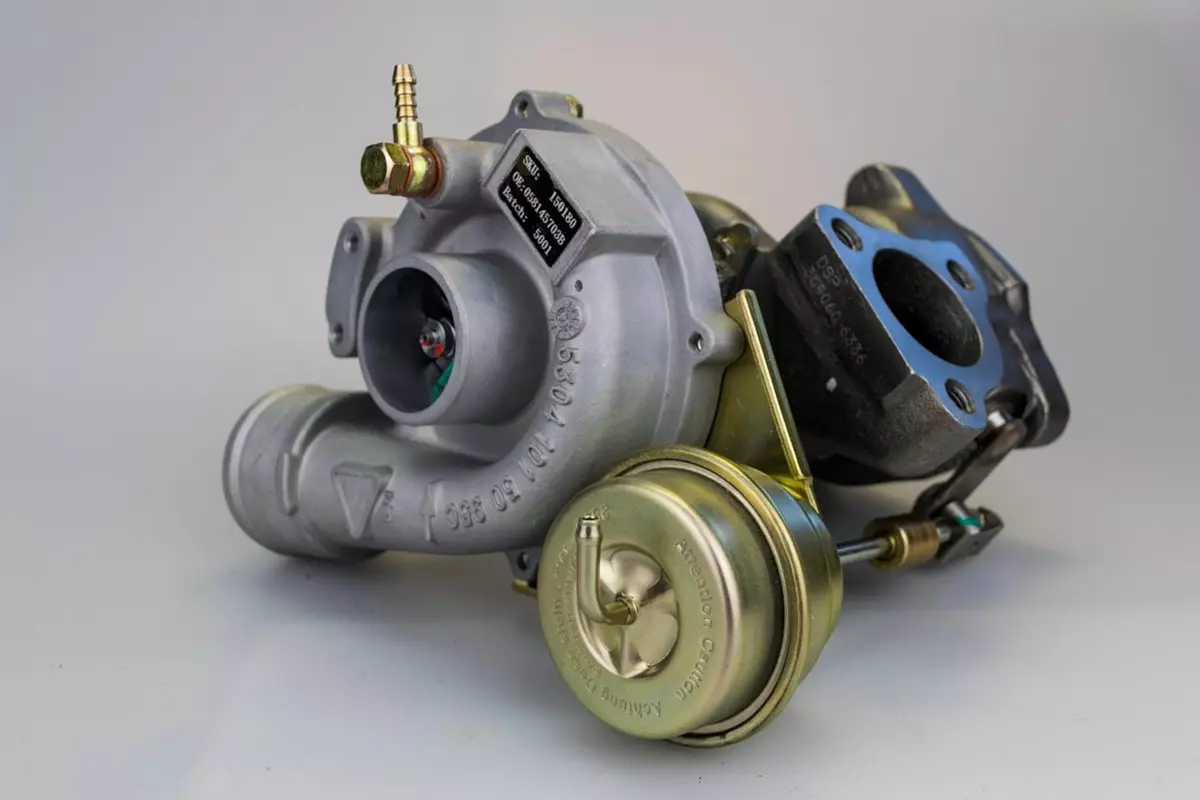
Modern turbochargers are far more durable than their predecessors. Materials science, manufacturing precision, electronic controls, and lubrication systems have all improved dramatically over the last two decades.
Today’s turbochargers feature water-cooled housings, sophisticated engine management software, improved bearing designs, and better thermal protection than ever before. Many modern turbochargers routinely exceed 150,000 miles without requiring replacement.
Ford’s EcoBoost engines provide perhaps the best real-world example. Millions have been sold since the EcoBoost lineup debuted in trucks more than a decade ago. While some early engines experienced timing chain issues, carbon buildup, or occasional turbo-related failures, the turbochargers themselves have generally proven reliable when properly maintained. The turbo was not a weak point for those trucks.
The same trend is emerging with newer competitors from Toyota, General Motors, and Ram.
In all of our reliability articles here on PickupTruckTalk.com, none of them have cited the turbocharger as a primary point of concern.
What Actually Fails?

Interestingly, the turbocharger itself is often not the component that causes major problems. Instead, surrounding systems frequently create headaches.
Intercoolers can develop leaks. Boost hoses can crack. Electronic wastegate actuators can fail. Sensors can provide inaccurate readings. Direct-injection engines can experience carbon buildup on intake valves.
When truck owners hear that a “turbo system” failed, the culprit is often one of these supporting components rather than the turbocharger itself. This distinction matters because replacing a sensor or actuator is far less expensive than replacing an entire turbocharger assembly.
The Biggest Risk: Maintenance Neglect

If there’s one factor that determines turbocharger longevity more than any other, it’s maintenance.
Modern truck owners who follow oil change intervals, use manufacturer-approved lubricants, address warning lights promptly, and allow the engine to warm up and cool down appropriately will likely never experience a turbo failure.
Those who stretch oil changes, ignore low-oil conditions, or postpone repairs are far more likely to encounter problems.
This is where turbocharged trucks differ most from the naturally aspirated V8s of the past. Older engines often tolerated abuse. Or at least they tolerated it for longer periods. Modern turbocharged engines tend to be less forgiving.
TL;DR Summary: Are Turbos a Weak Point Or Not?

Turbochargers remain one of the most stressed components in any gasoline truck engine, and they unquestionably add complexity. They create additional failure points that simply don’t exist in naturally aspirated engines. However, modern turbochargers are no longer the fragile components many consumers remember from decades past and today’s turbo as a weak point in a truck is not supported by reality.
In today’s pickup trucks, the larger reliability concern often lies elsewhere: emissions systems, direct-injection components, complex electronics, cylinder deactivation systems, or even manufacturing defects unrelated to forced induction.
For most owners, a properly maintained turbocharger will likely outlast many other major vehicle components.