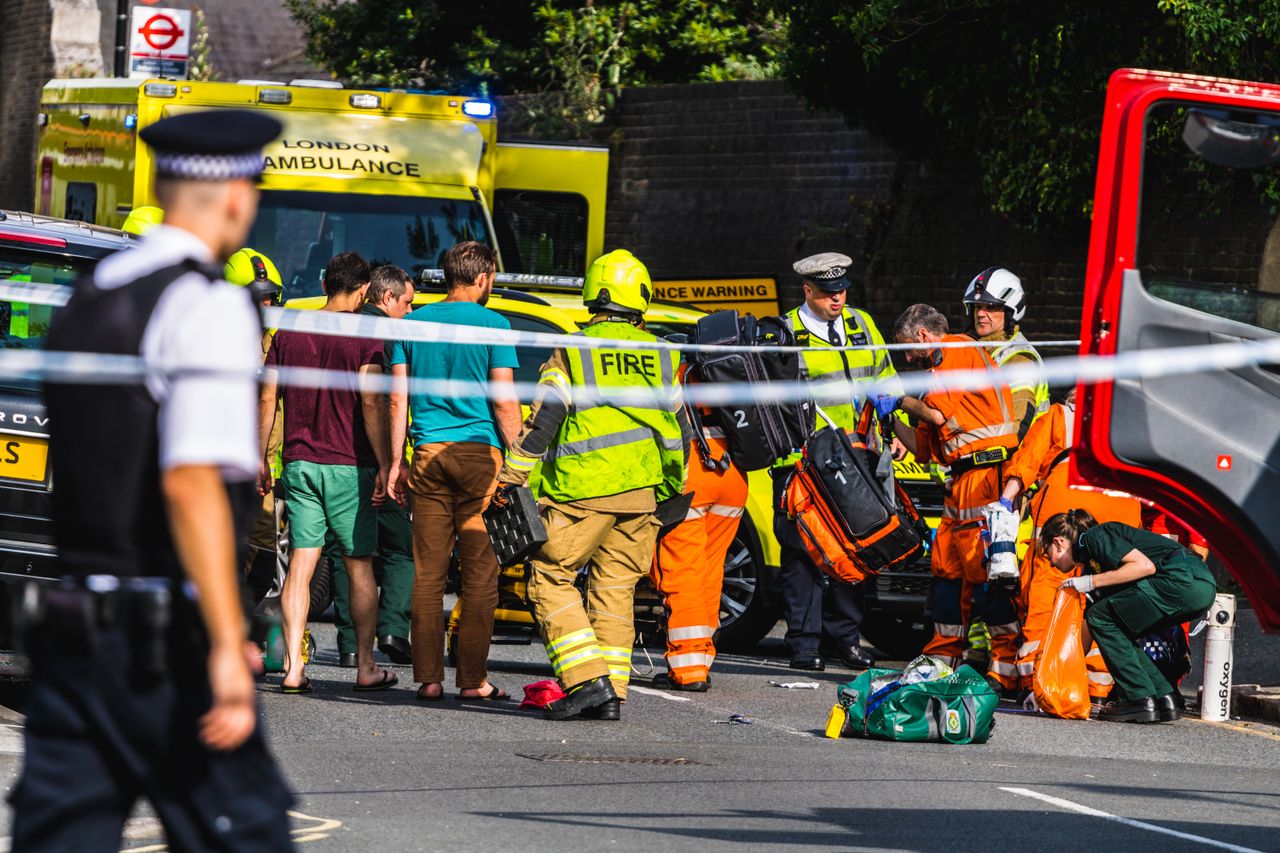
Pickup truck crashes often lead to devastating outcomes on UK roads. These large vehicles weigh far more than a standard hatchback and sit much higher off the ground, which alters the physical forces during a collision. Read on to see why they pose such a specific threat on British roads.
Why Vehicle Mass and Height Alter Impact Physics
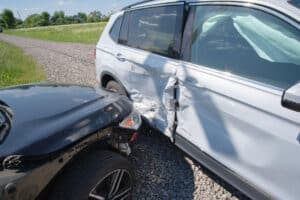
When a 2.5-tonne pickup collides with a small supermini, basic physics shapes the outcome. The sheer difference in mass means the smaller vehicle absorbs far more of the crash energy. This energy transfer crumples the smaller car far more violently than it would in a crash between two vehicles of equal size.
Vehicle height creates an even greater danger during a side or frontal impact. Standard cars feature reinforced door sills and crumple zones designed to absorb and redirect crash energy. Because pickups sit so high, their bumpers often bypass these features, striking the smaller vehicle high on its body, where its crumple structures offer less protection.
How to Manage a Claim After a Major Accident
If you’re involved in a collision that wasn’t your fault, managing the aftermath can be incredibly stressful. Most drivers automatically contact their own insurer, but this isn’t always the best path. You can use a specialist accident management company instead of your insurer to handle the entire process, although you’ll still need to tell your own insurer that the accident happened.
This choice protects your no-claims history and means you won’t have to pay an expensive policy excess, because the service recovers everything from the fault driver’s insurer. It also ensures you get a comparable replacement vehicle straight away while your car is repaired, and it connects you with legal specialists who understand the long-term effects of a crash.
Since collisions involving heavy trucks often lead to life-altering trauma, these experts work to secure full compensation for personal injury to cover medical care and lost earnings.
The Structural Differences in Blunt Front-End Geometry
Modern pickup design has shifted towards taller, more vertical front profiles. Pickups now common on UK roads, such as the Ford Ranger, Toyota Hilux and Isuzu D-Max, have grown taller and more upright at the front than the cars most people drive. While these designs appeal to buyers who want a rugged look, they noticeably increase the danger to other road users and pedestrians.
A sloped bonnet allows a pedestrian or cyclist to roll across the vehicle during an impact, which spreads the force and reduces trauma. A tall, blunt front end instead strikes a person flatly in the chest or head and either throws them forward or pulls them under the wheels.
A US study by the Insurance Institute for Highway Safety, which looked at nearly 18,000 crashes, found that vehicles with bonnets more than 40 inches high were around 45% more likely to kill a pedestrian than lower cars with sloped fronts.
Among vehicles with bonnet heights between 30 and 40 inches, a blunt front end raised the risk of a pedestrian fatality by around 26% compared to sloped designs at the same height. For the tallest vehicles, height alone was the dominant danger regardless of the bonnet shape.
Why Standard Crash Tests Fail to Capture Real-World Risk
Traditional regulatory crash tests often evaluate vehicles against fixed barriers or models of identical size. These controlled tests fail to show what happens when vastly unequal vehicles meet on a public road. A truck might easily achieve a five-star safety rating because its cabin stays intact during a barrier test, but that rating tells you nothing about the damage it inflicts on a smaller vehicle.
European safety regulators are starting to address this gap. Euro NCAP’s 2026 testing protocols put more weight on pedestrian and cyclist protection and on how vehicles behave in real urban crashes, rather than judging a car only on how well it shields its own occupants. These standards push manufacturers to think about how their vehicles affect pedestrians and cyclists, not just the people inside the truck.
Long-Term Consequences for Crash Victims
The injuries from these mismatched collisions are rarely minor. Victims frequently suffer complex fractures, internal organ damage and severe head injuries that need months of specialist rehabilitation. Recovery can take years, and it’s common for people to be unable to return to their previous job.
Beyond the physical trauma, the financial pressure on families can mount quickly. This makes it essential to understand your rights and get proper legal support early. Securing expert guidance ensures that every part of your recovery, from private physiotherapy to home adaptations, is funded by the responsible party.
Bigger Trucks, Bigger Consequences
The growing popularity of larger vehicles on UK roads is a clear challenge for road safety. While manufacturers keep building heavier trucks with taller grilles, the risk to drivers of smaller cars and to pedestrians stays disproportionately high. Safety ratings need to evolve to reflect these real-world dangers and to encourage safer design.