
As trucks get more expensive, owners want to do their best to keep their pickup performing well for years, with 300,000 becoming the benchmark for impressive longevity. However, if you want your truck to last that long, you need to put effort into caring for every aspect of the vehicle.
There are two key opponents to making your truck last 300,000 miles: mechanical issues and physical wear-and-tear. Most people focus on the most basic mechanical maintenance – changing the oil every so often – but many owners neglect many other preventative maintenance practices. Worse yet, some truck owners don’t put any thought into anything more than the mechanical aspect, allowing the vehicle to fall apart around the drivetrain as the body and undercarriage fall apart. Here are five ways to help your new truck last over a quarter-million miles.
Oil Isn’t the Only Fluid to Change
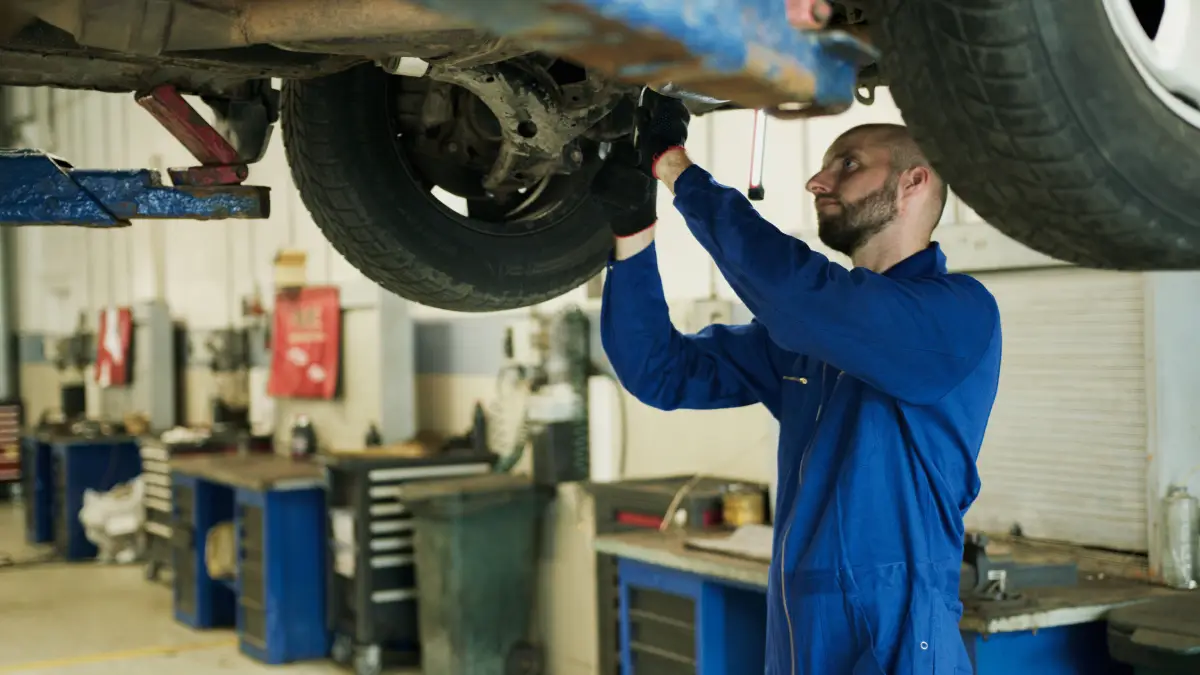
The vast majority of truck owners know to change their oil every 3,000 to 5,000 miles, but if you ask most drivers, they couldn’t even guess at the last time that they changed their transmission fluid, brake fluid or engine coolant. If you truck is going to make it to 300k miles, you need to care for more than just the engine oil.
As the transmission fluid in your truck ages, it slowly breaks down and that causes it to become less effective in providing proper lubrication and heat dissipation. This leads to metal-to-metal contact between transmission components and extreme internal temperatures, creating debris in the transmission fluid that cause clog the filter and interfere with the function of the unit. Over time, the transmission will overheat and slip, eventually leading to component failure.
When brake fluid ages, the boiling point lowers and when the fluid boils during the braking process, it can cause a loss of brake pressure or total loss of brakes. Also, the brake fluid accumulates water in the system through condensation, and when that water is left in the brake system, it causes corrosion and failure with items like the brake lines and the master cylinder.
As for the engine coolant, when it begins to outlive its lifespan, it loses its ability to help cool the engine and lubricate components of the cooling system. This can lead to damage to things like the water pump and radiator, but the overheating issue can quickly ruin your engine.
A Good Tune-Up Saves Money in the Long Run
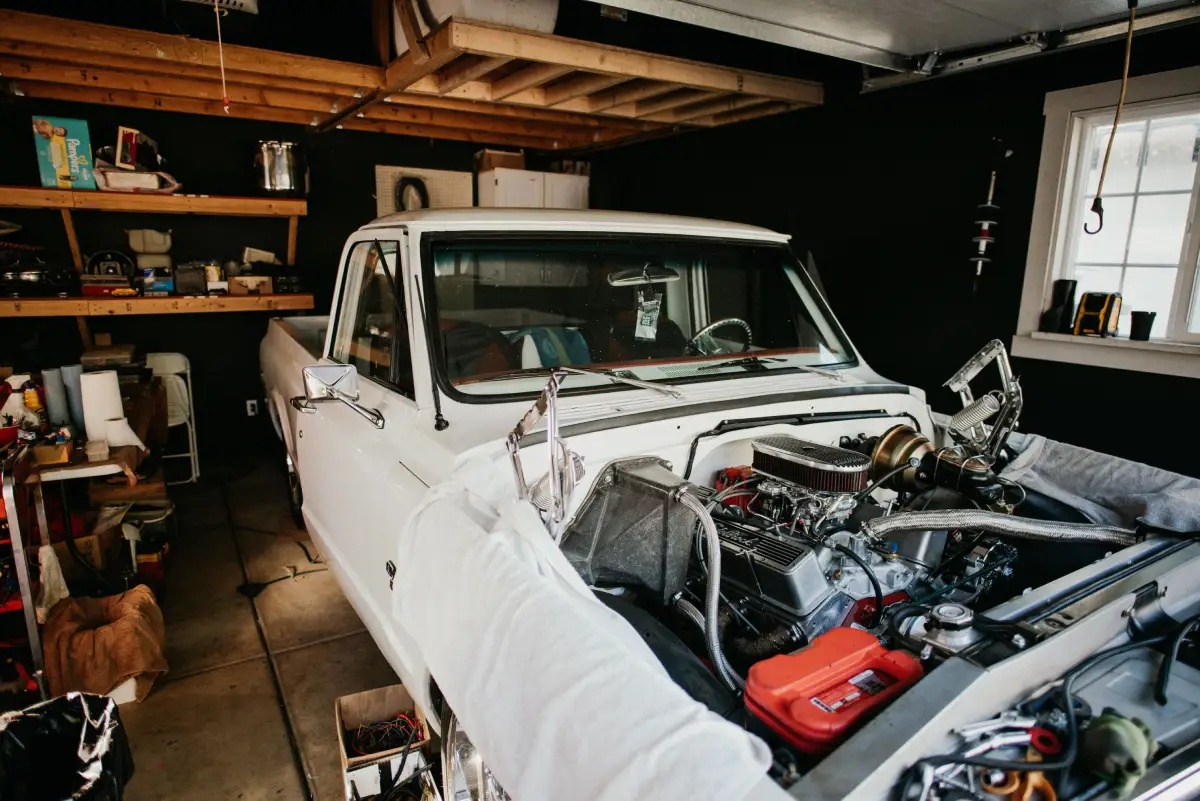
An engine tune-up is considered by some to be unnecessary for those who aren’t all that concerned about performance, but neglecting the items commonly addressed during this process can cause catastrophic failures which will stop your truck well short of 300,000 miles.
The basic tune-up generally includes new spark plugs, a new air filter, a new fuel filter and some sort of fuel system cleaner that is designed to remove any gunk from the fuel injectors. A clogged air filter cause reduced power and fuel economy while a clogged fuel filter can cause it to run poorly or shut your truck down altogether.
As spark plugs wear, they create a weaker spark, which can lead to a rough idle, engine misfires and a drop in fuel economy. In the worst cases, the spark plugs can actually fracture, leading to debris in the combustion chamber that can cause all sorts of internal problems. Also, with extreme misfire situations, unused fuel that gets to the catalytic convertor can cause that expensive item to fail.
Clean the Truck from Top to Bottom, and Underneath
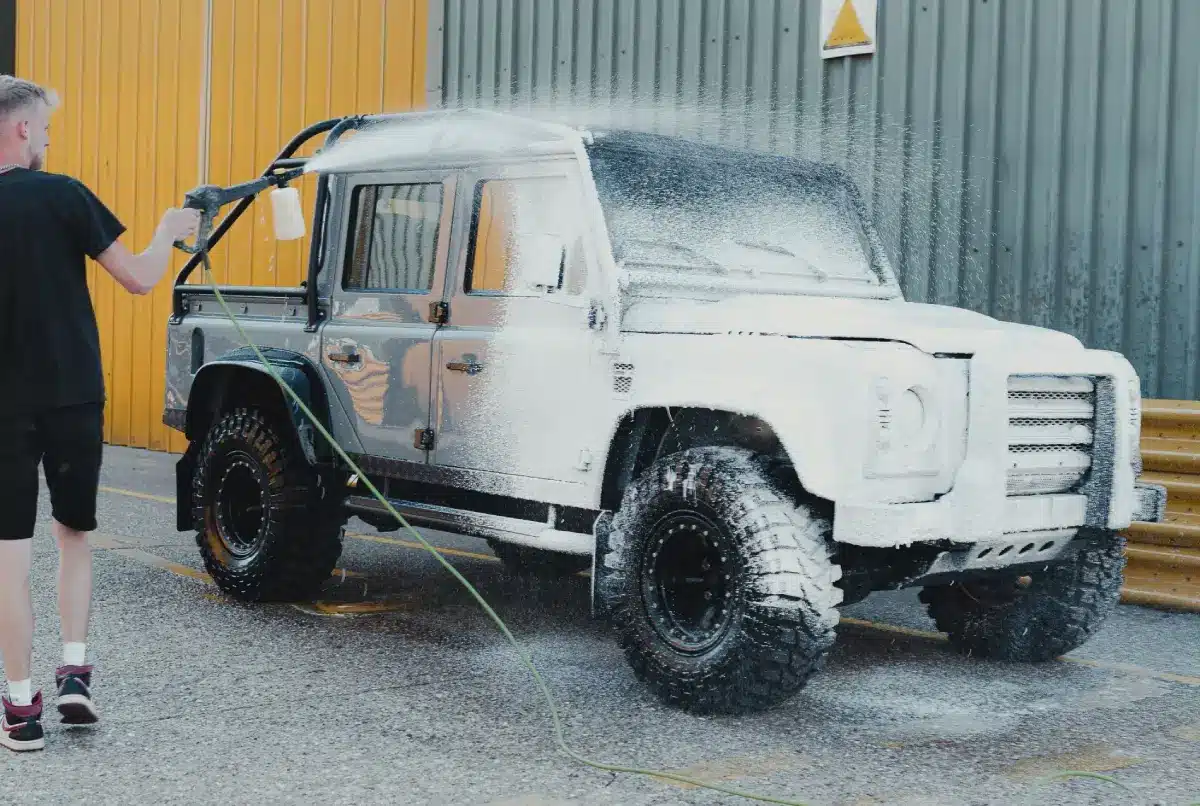
In order to keep your truck performing properly for 300,000 miles, you need to maintain more than just the drivetrain. While working as a mechanic, I had more than a few customers come in with leaf springs that had shot up through the floor of the bed because the spring mounts failed due to extreme rust. Also, if you live in states with tough inspection laws, like Pennsylvania, you cannot drive a vehicle with extensive amounts of body rust, but both of these concerns can be addressed simply by keeping your truck clean.
Keeping the body clean can help prevent rust to what you can easily see, but you also want to make sure to thoroughly clean out the inside of the wheel wells to help prevent rust over the tires. Also, a good undercarriage rinse from time to time can help minimize rust on suspension components, especially if you live in an area that uses road salt in the winter.
Which Fuel and Where You Get It Matters
While it might seem like an attractive option to save money at the pump, running low grade gasoline in a truck that calls for higher octane can cause major issues in the long run. Although modern engines have knock sensors to help prevent detonation from inadequate octane levels, prolonged use of lower-than-needed octane levels can lead to accelerated engine component wear. Even in the best case scenario, running low grade gasoline leads to reduced engine power and poor fuel economy.
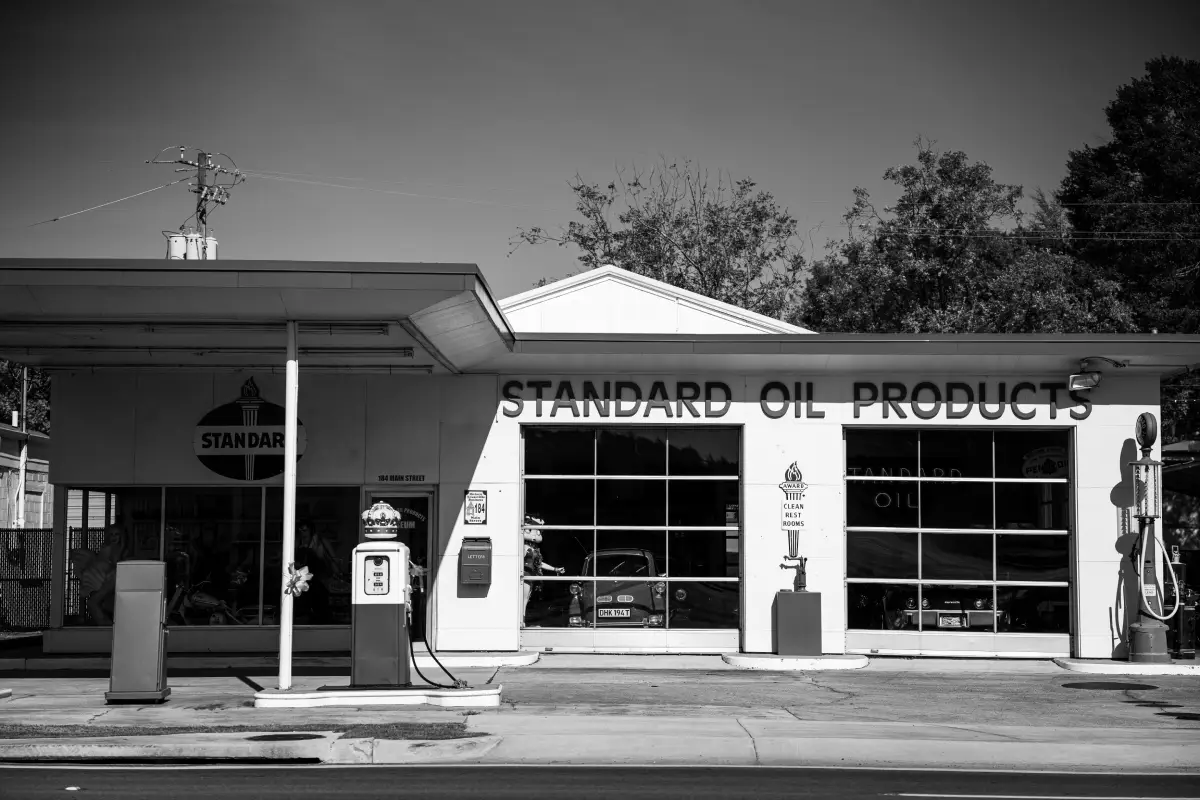
Also, when stopping for your next fill-up, it matters where you get that fuel. Older gas stations usually have older tanks and lines leading to the pumps and those older tanks and lines often have water and other debris that can cause a variety of issues. Along the same lines, very low-volume gas stations in the middle of nowhere have gasoline that sits in the tanks for long periods of time, reducing the quality of the fuel and increasing the likelihood of getting “bad gas”.
Watch Those Wheel Bearings
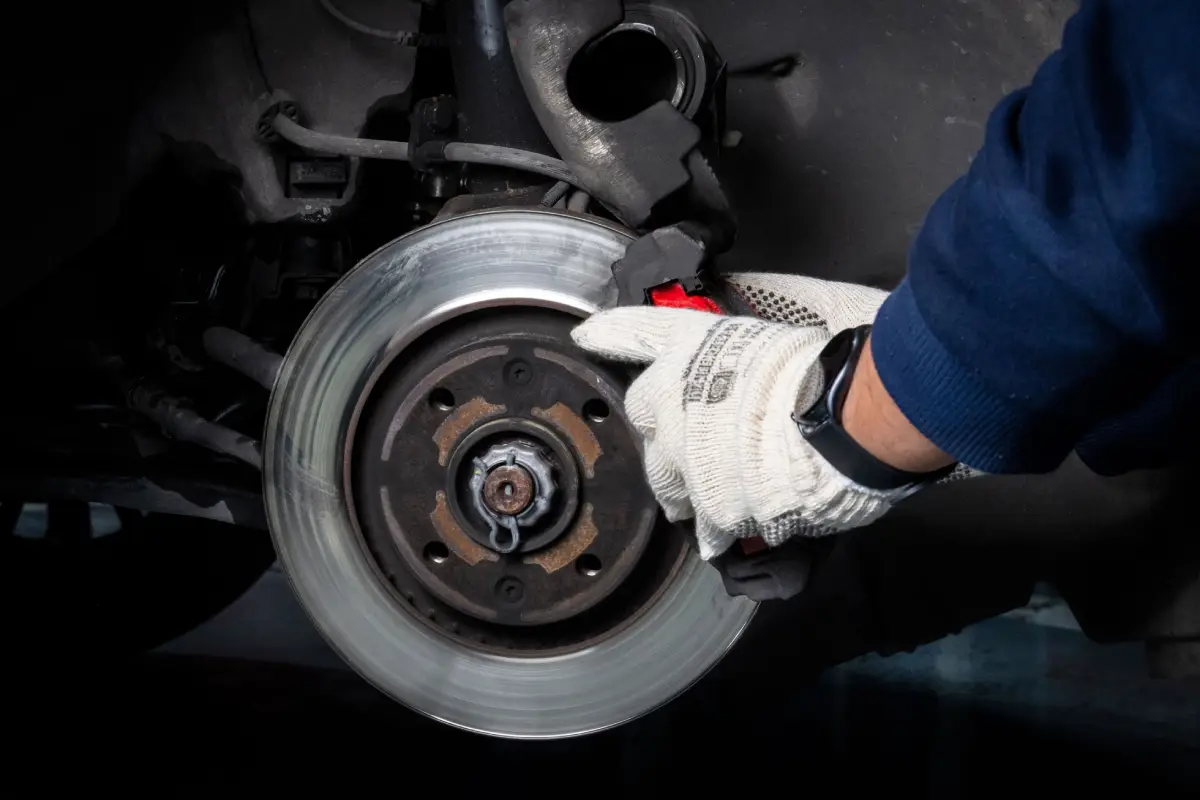
When one of your truck’s wheel bearings begins to go bad, it starts with a low growling noise that often goes ignored, but if left too long, it can cause damage to the brake system or even cause the wheel to fall off of the vehicle. I once ignored wheel bearing noise in one of my trucks because I was a broke college student and when I finally had to replace the bearing, the extra movement of the wheel also damaged the braking components at that corner, making it a far more expensive repair.
Depending on how you use your truck, you should change your wheel bearings every 50,000-100,000 miles. If most of your mileage is simple daily driving, you are likely to be able to stretch that interval out, but if you do lots of heavy hauling, towing or off-roading, you want to check those bearings more often. Fortunately, you can check your wheel bearings by jacking up each corner of the truck so that the tire is hanging. If you can wiggle the wheel on the axle, the bearing is going bad and it is time for replacements.