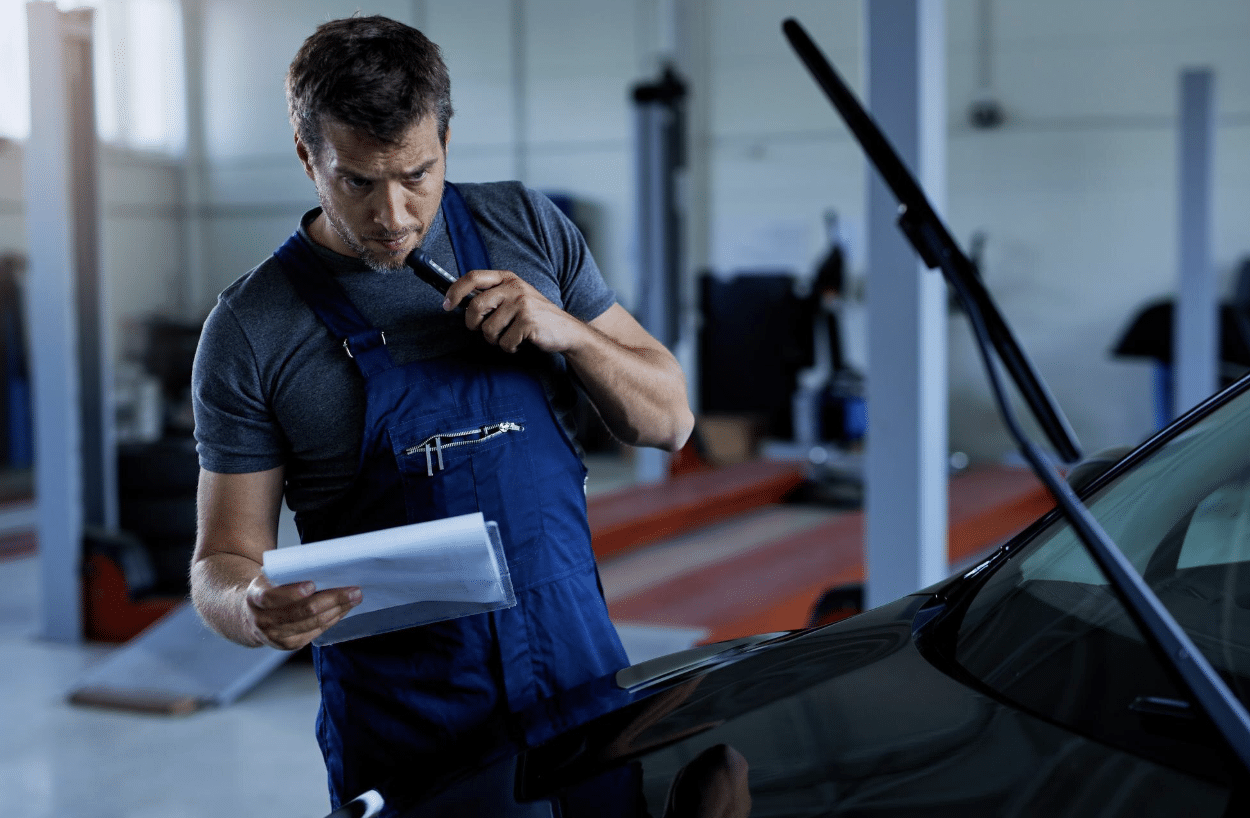
A good pre-road trip car inspection starts before luggage goes in the trunk. Look over the vehicle on level ground while the engine is cool. Most checks take minutes, but they can catch leaks, worn tires, weak lights, and glass damage that would be harder to handle on the shoulder.
When learning what to check on a car for a long trip, focus on the parts that affect steering, stopping, visibility, cooling, and starting. For pickup owners, tow loads, highway speed, heat, and rough roads add strain, so the checklist should be direct and practical.
Start With Tires, Wheels, And Pressure
Tires deserve the first look because every mile rests on four small contact patches. NHTSA reported 511 U.S. deaths in tire-related crashes in 2024. It also advises cold tire pressure checks using the driver-side door placard, not the number molded into the tire sidewall.
Check each tire, including the spare. Look across the full tread, including center and shoulders.
- Set cold tire pressure to the door placard value.
- Look for uneven wear, exposed wear bars, cracks, bulges, nails, or cuts.
- Confirm the spare is inflated and that the jack, wrench, and lock key are in the truck.
Uneven shoulder wear can point to alignment trouble. A vibration at highway speed may come from balance, tire damage, or worn suspension parts. Handle those before long-distance driving becomes part of the plan.
Check Windshield, Wipers, Mirrors, And Lights
Visibility problems grow tiring after a few hours on long, unfamiliar roads. Clean the windshield inside and out, then look for chips, cracks, sand pitting, and distortion in the driver’s view. Add a quick windshield check while the hood is still open so washer fluid and wiper condition get handled together.
Wipers should clear fluid in one clean pass. Replace blades that chatter, skip, smear, or leave bands of water. Top off the washer fluid with the right mix for the weather. In cold regions, use winter washer fluid before temperatures drop.
Test every exterior light. Headlights, high beams, brake lights, turn signals, hazards, reverse lights, and license plate lights should all work. A helper makes this fast, but a garage door can show brake and signal reflections.
Handle Chips, Cracks, And Cabin Visibility
Glass damage can spread during a long drive because heat, cold, vibration, and road flex keep stressing the windshield. If a chip sits in the wiper sweep or the driver’s direct view, have the chip repaired before you go instead of hoping it stays small.
Check mirrors next. Tighten loose mirror housings, clean the glass, and set the angle after the truck is loaded. Cargo can change rear visibility. Side windows should open and close smoothly, especially if toll booths, border stops, parking gates, or ferry crossings are on the route.
Review Fluids And Belts
Open the hood while the engine is cool. Engine oil should sit between the dipstick marks and look clean enough for continued use. If the oil change interval is close, service it before leaving. Low coolant, rusty coolant, or coolant smell near the grille needs attention.
Brake fluid should sit near the marked line in the reservoir. A sudden drop can point to worn pads or a leak. Transmission fluid, power steering fluid, and washer fluid should be checked according to the owner’s manual.
Look over belts and hoses by sight and touch. Cracks, fraying, glazing, swelling, dampness, soft spots, or loose clamps call for repair. A weak hose may survive short errands and fail under highway heat.
Use This 15-Minute Pre-Trip Table
| Area | What To Check | Fix Before Leaving |
| Tires | Cold pressure, tread, sidewalls, spare | Inflate, repair, replace damaged tires |
| Fluids | Oil, coolant, brake, transmission, steering, washer | Top off with correct fluid, inspect leaks |
| Brakes | Firm pedal, pad noise, pulling, warning light | Diagnose squeals, grinding, soft pedal |
| Battery | Terminals, corrosion, mounting, slow cranking | Clean, test, replace weak battery |
| Lights | Headlights, brake lights, signals, hazards | Replace bulbs, clean lenses |
| Emergency Gear | Jack, wrench, triangles, flashlight, first aid kit | Restock missing or dead items |
Test The Brakes And Battery
Before loading passengers, press the brake pedal with the engine running. It should feel firm and hold steady. Grinding, squealing, pulsing, pulling, or a soft pedal deserves shop attention.
Battery problems often show up at the least convenient stop. AAA reports that battery-related issues are the leading cause of roadside assistance calls, with more than 7 million calls each year in the U.S. Check for slow starts, swollen casing, corrosion around terminals, loose hold-downs, and dim lights when accessories are on.
Dashboard Lights To Take Seriously
Do not clear a warning light and leave without knowing the cause. Some lights allow careful driving to a shop. Others call for stopping.
- Oil pressure light: Pull over, shut off the engine, and check oil level.
- Brake warning light: Confirm the parking brake is released. A soft pedal or low fluid needs service.
- Battery charge light: The alternator may have stopped charging.
- Flashing check engine light: Stop driving and arrange a tow.
- TPMS light: Check all tires with a manual gauge.
Pack Emergency Gear And Confirm Documents
Bring jumper cables, a tire pressure gauge, flashlight, phone charger, first aid kit, reflective triangles, gloves, water, and basic tools. The National Safety Council recommends keeping emergency car supplies ready, including a flashlight, jumper cables, first aid kit, and warning devices.
For a cross-border road trip, keep registration, insurance, roadside assistance details, passports, and any required permits within reach.
Final Thoughts
The best way to prepare for a long car journey is to check the vehicle in the same order every time: tires, glass, lights, fluids, brakes, battery, warning lights, emergency gear, and paperwork. When taking note of what car part to check before a long trip, start with tires, then move through the systems that keep the truck visible, cool, charged, and able to stop. For practical truck and travel guidance, explore our blog.