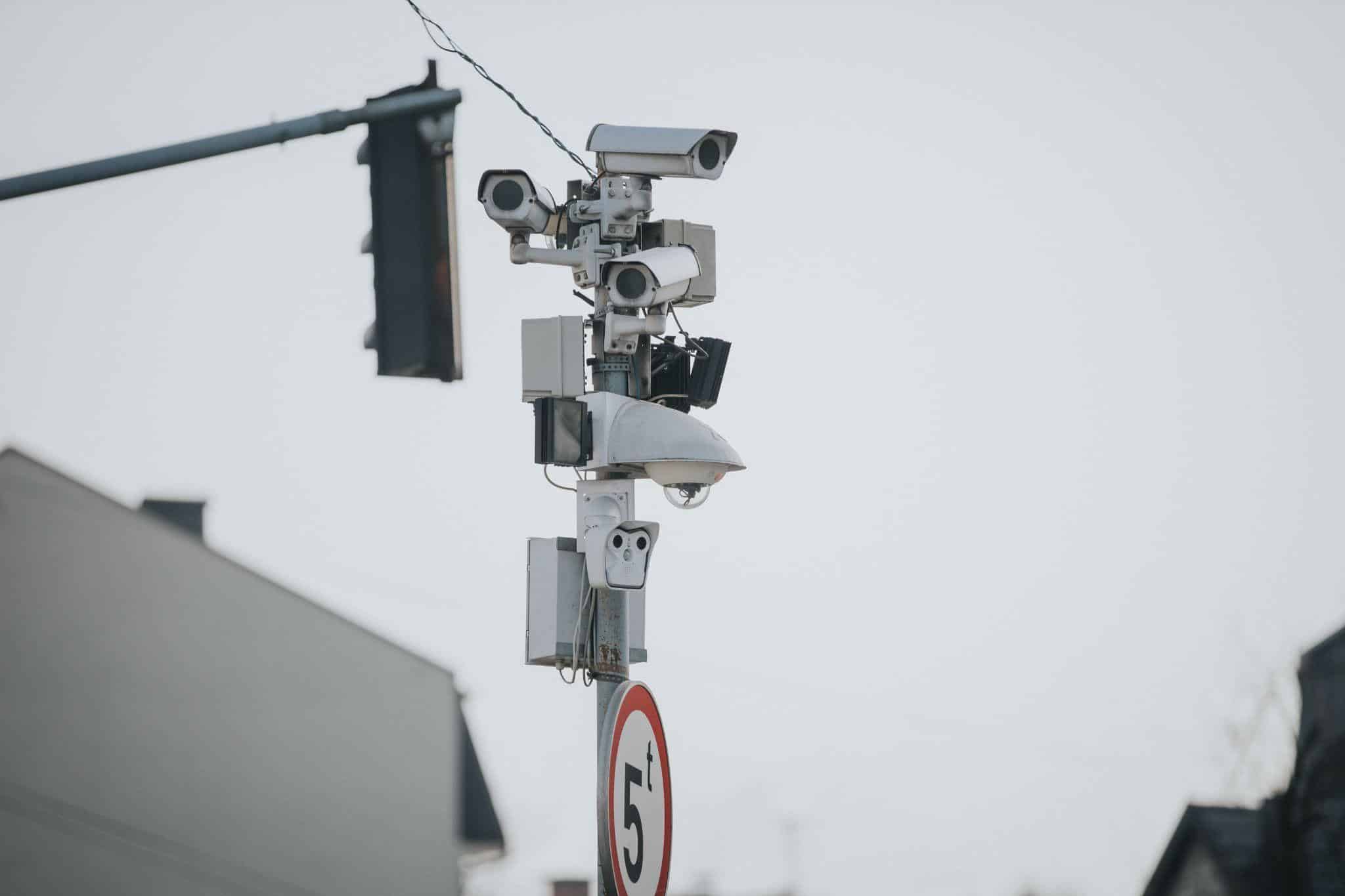
Traffic camera footage has become one of the most reliable forms of evidence in car accident cases across Georgia. When two drivers give conflicting accounts of what happened, a video recording can cut through the dispute and show exactly how the collision unfolded. Understanding how this type of evidence works, who controls it, and how it gets preserved is useful knowledge for anyone involved in an Atlanta accident.
What Traffic Cameras Actually Capture
If you were injured in a crash and want to pursue a claim, one early step is to identify whether any cameras recorded the scene. When you contact a car accident lawyer in Atlanta, part of their initial work often involves determining what surveillance infrastructure exists at or near the location where your accident occurred. Atlanta operates a network of traffic management cameras through its Department of Transportation, and the Georgia Department of Transportation maintains additional cameras along state highways and interstates.
These cameras vary in their coverage and recording quality. Some are positioned to monitor traffic flow rather than individual vehicles, which means the footage may not always capture fine details like a driver running a red light or the exact point of impact.
Who Owns and Controls Camera Footage in Atlanta
Traffic cameras in Atlanta are typically managed by government agencies, meaning any footage they capture is public property held by those agencies. The City of Atlanta and GDOT each maintain their own systems, and requests for footage generally require contacting the correct agency with a specific time, date, and location.
Private businesses along roadways, including gas stations, banks, and retail stores, often have their own exterior cameras that incidentally record portions of the street. This private footage is not subject to open records laws in the same way, but it can often be obtained through a formal legal request or a subpoena during litigation.
The Preservation Problem and Georgia’s Spoliation Rules
One of the biggest obstacles with camera footage is how quickly it gets overwritten. Many traffic and surveillance systems operate on short retention cycles, sometimes as brief as 24 to 72 hours, before the recordings are automatically deleted or recorded over.
Georgia law recognizes a legal concept called spoliation of evidence. Under this doctrine, if a party that had control over evidence failed to preserve it after receiving reasonable notice that it was relevant to potential litigation, a court may instruct the jury to draw an adverse inference against that party. Sending a written spoliation letter promptly after an accident is one way to formally put a custodian on notice.
How Footage Functions as Evidence in a Georgia Injury Claim
Georgia follows a modified comparative fault rule under O.C.G.A. Section 51-12-33. If you are found to be 50 percent or more at fault for the accident, you are barred from recovering damages. Because fault allocation is one of the key factors in personal injury cases, video evidence that shows the other driver running a red light, speeding, or failing to yield can directly affect how fault is assigned.
Footage does not automatically prove your case on its own. It must be properly authenticated before it can be admitted as evidence, meaning someone with knowledge of the recording system typically needs to confirm that the footage is accurate and unaltered.
Requesting Footage Through Georgia’s Open Records Act
For footage held by government agencies, Georgia’s Open Records Act, O.C.G.A. Section 50-18-70 et seq., gives members of the public the right to request records held by state and local agencies. A written request submitted to the correct custodian agency should describe the specific footage you are seeking, including the date, time, and intersection or roadway.
Agencies generally have three business days to respond to a request, though producing the actual records may take longer. If the agency claims the footage no longer exists, documenting when you submitted your request may matter later in your case.
The Role Atlanta Footage Plays in Settling or Litigating Your Claim
Insurance companies evaluate claims partly based on the strength of available evidence. When clear footage supports your version of events, it can shift the negotiating dynamic during the settlement process.
If your case proceeds to litigation in Fulton County or a surrounding Georgia county, footage that has been properly preserved and authenticated becomes part of the evidentiary record that a judge or jury will consider. Its weight depends on clarity, completeness, and how well it aligns with the other facts in your case.
Understanding Your Legal Position Before Evidence Disappears
Acting early to identify and preserve footage gives your claim a stronger factual foundation. The legal process of obtaining that evidence, whether through open records requests, spoliation letters, or civil subpoenas, has specific procedural requirements that vary depending on who holds the recordings.